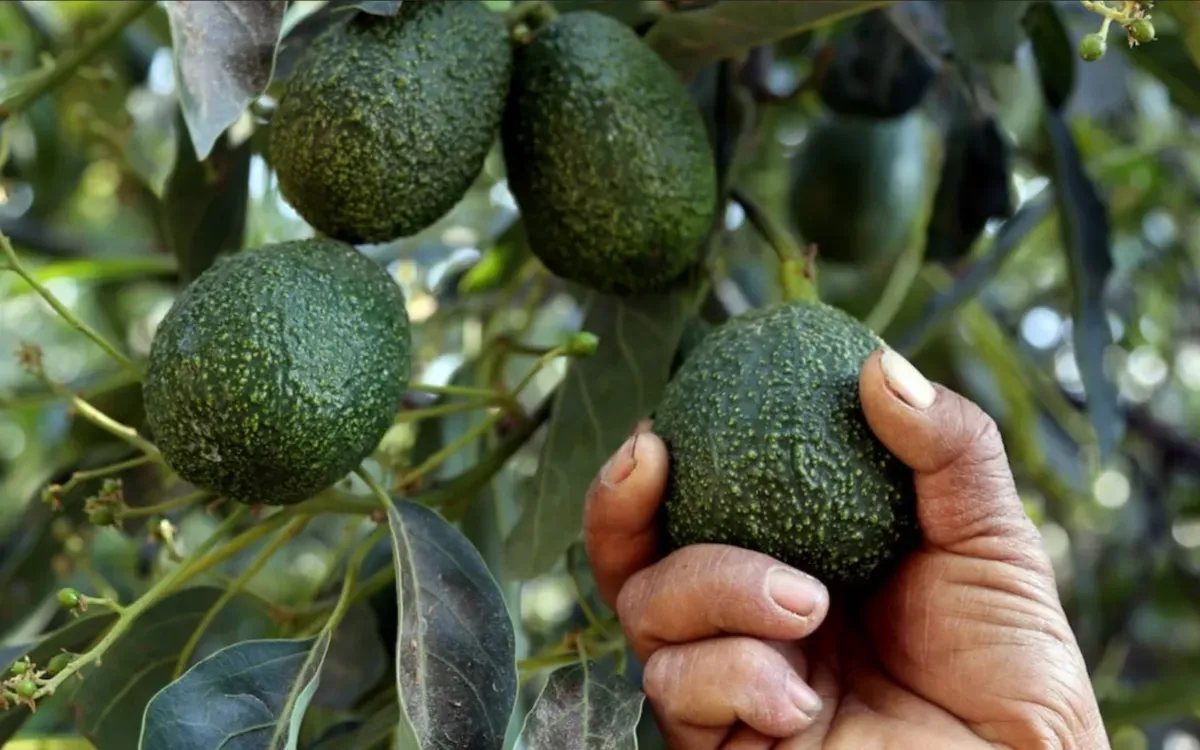

Strategic Opportunity for Moroccan Avocados Ahead of Israeli Surge
September 12, 2026 - Morocco is poised to capitalize on a prime commercial window for its avocado exports to Europe, spanning from early November to mid-December. This period is critical, as it precedes the anticipated influx of Israeli avocados, which could complicate Morocco's recovery after a notably challenging season. Following a significant decline in production and exports during the previous season, Moroccan avocado producers are gearing up for a promising return to the European market, with projections indicating a robust harvest for the 2026-2027 season.
An exporter interviewed by FreshPlaza highlighted the importance of the timeframe between weeks 45 and 51, roughly from early November to mid-December. During this six-week span, Morocco stands to benefit from a decrease in Peruvian avocado shipments, allowing it to establish a foothold before Israeli exports peak. This strategic advantage could enable the Moroccan avocado industry to rebound after a dismal 2025-2026 campaign, where production fell below 70,000 tons, resulting in exports of only about 50,000 tons—nearly a 50% drop from the record season prior.
Early estimates for the forthcoming harvest are significantly more optimistic, with projections suggesting that production could reach approximately 130,000 tons, featuring larger and more plentiful fruit. This recovery was first mentioned in early September, when Moroccan producers announced a strong increase in harvest expectations.
Challenges Ahead as Israeli Avocado Production Ramps Up
However, the most pressing challenge looms after mid-December, when Israeli avocado production is expected to hit a record high of 300,000 tons, up from around 240,000 tons in the previous season. Israeli exports could surge to as much as 165,000 tons, with approximately 100,000 tons attributed solely to the Hass variety. This increase is significant, particularly as between 45% and 50% of avocados exported from Israel are traditionally sold in France, which is also a key market for Moroccan avocados.
Starting in January, Spain is anticipated to ramp up its avocado shipments, with substantial volumes expected until April, while Colombia may also advance some of its peak production. Consequently, if Moroccan exports are postponed to January and February, they will face intense competition from three active rivals simultaneously. To mitigate this risk, exporters recommend that Moroccan operators swiftly secure their sales programs and maintain consistent shipping schedules as the campaign kicks off. Waiting for price increases or concentrating volumes towards the end of the season could lead to market congestion at a time when competition in Europe is most fierce.
Despite these hurdles, Morocco holds an advantage in larger avocado sizes, particularly sizes 14 and 16, which are projected to be less abundant from several competing origins. However, intermediate sizes, ranging from 18 to 22, will need to be sold consistently to prevent stock accumulation. The recent challenges faced by the Moroccan avocado sector, including a nearly 50% drop in yield due to extreme heat and the phenomenon known as "Chergui," have made this recovery all the more critical. The Moroccan avocado industry has an opportunity to regain ground in Europe, but it must act swiftly to leverage its advantages before the overwhelming arrival of Israeli avocados.
As reported by bladi.net.