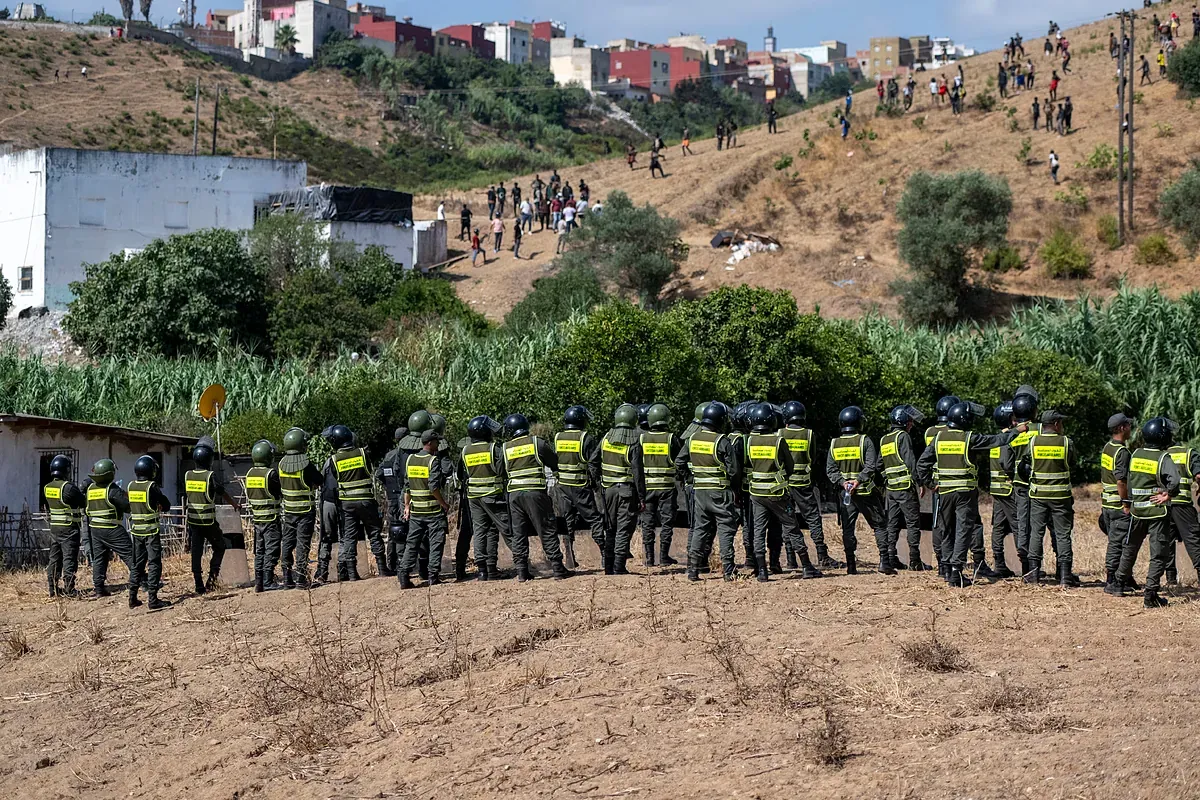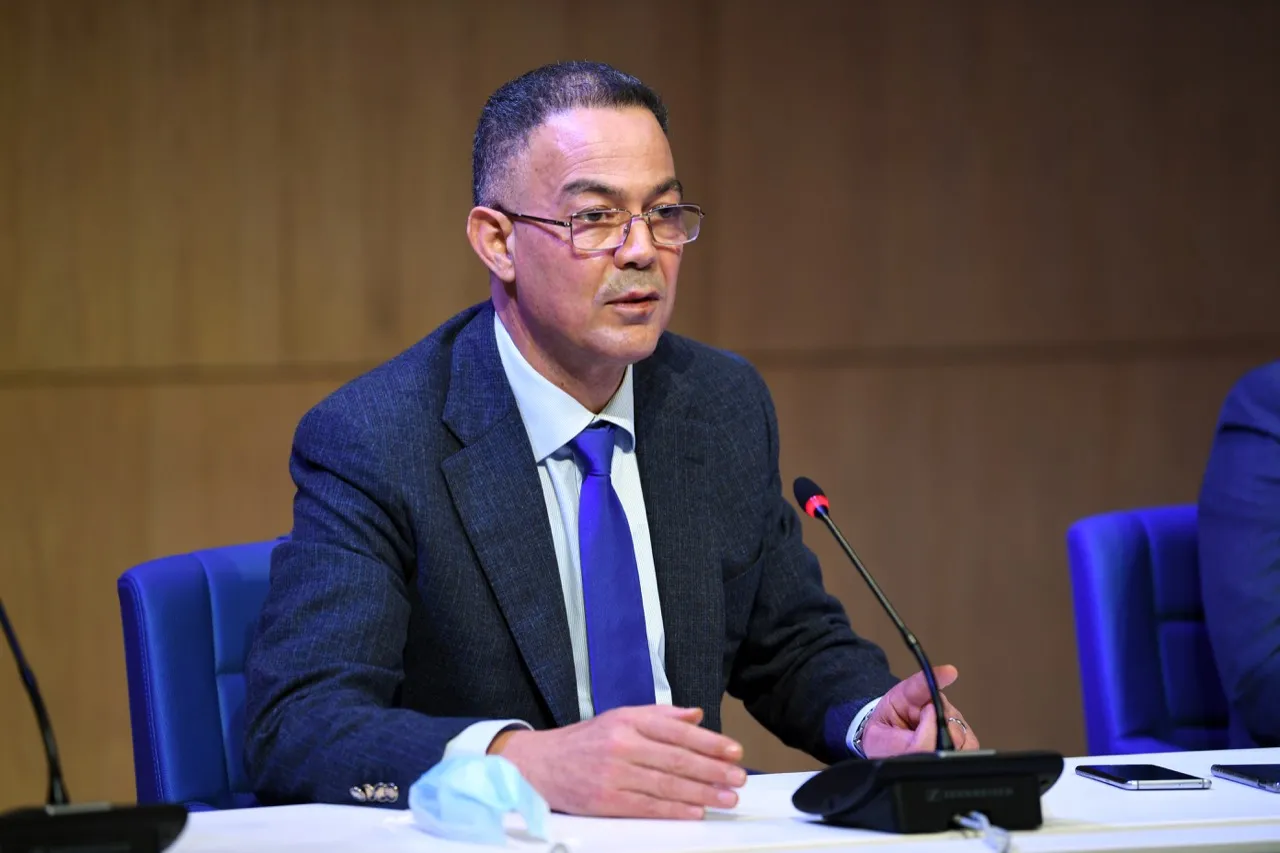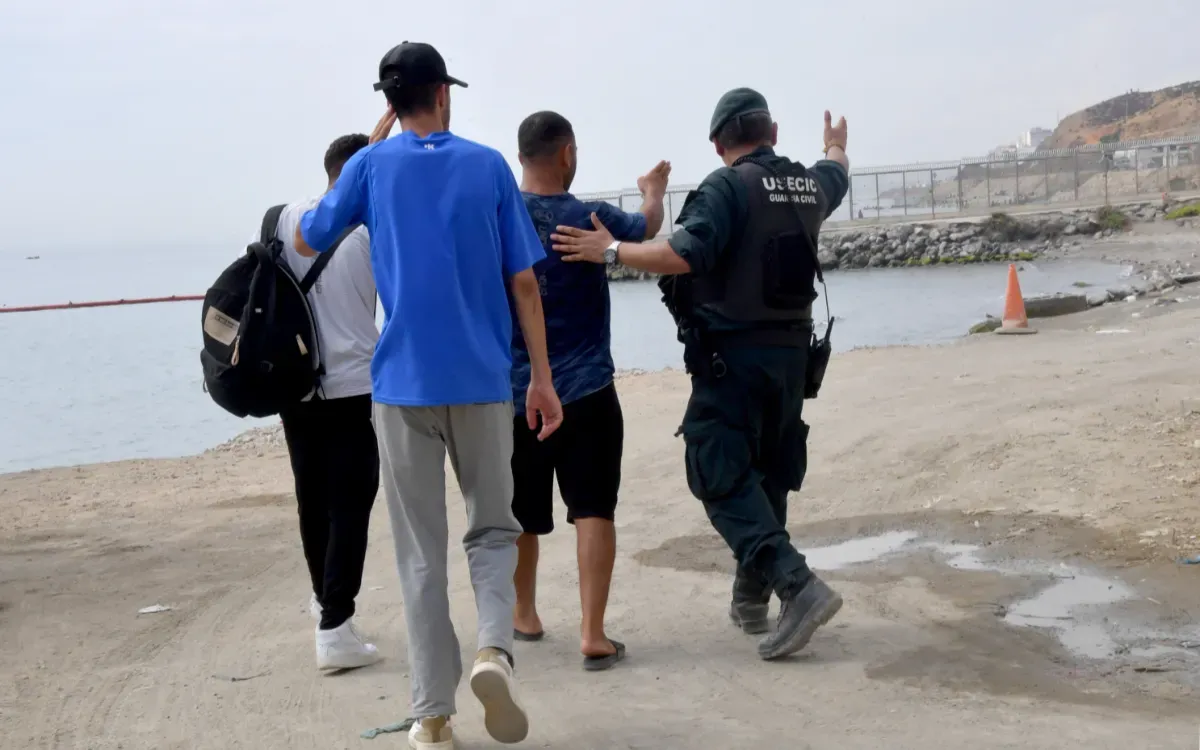

Morocco has expressed its readiness to accept back unaccompanied minors who arrived irregularly in Ceuta, while simultaneously accusing Spain of failing to facilitate their repatriation. This diplomatic tension has escalated following the arrival of these minors on July 30 and 31, which has led to a new disagreement between the two nations regarding the fate of these vulnerable individuals. In a statement released on September 10, the Moroccan Ministry of Foreign Affairs criticized the Spanish government for not organizing the return of migrants and minors who entered Ceuta during this period.
Rabat's willingness to readmit these minors comes after Spanish authorities issued alerts regarding the massive crossings just a day prior. Despite Morocco's expressed readiness, thousands of individuals remain in Ceuta, highlighting the ongoing humanitarian crisis. In response, Sira Rego, Spain's Minister of Youth and Children, has accused Morocco of lacking both response and action in the necessary procedures for returning these minors to their families. During an interview on TVE, she highlighted the case of a child who wished to return to Morocco and whose family was prepared to welcome him, yet the process could not be activated due to Morocco's inaction.
Rego elaborated on the situation, stating, "The child wanted to return to his family, and the family was willing to receive him, but this was not possible due to Morocco’s lack of response and action." This situation is compounded by the existence of around 600 cases previously opened by the Spanish prosecutor's office that predate the crisis of July. These cases are not directly linked to the recent influx of minors but require verification of identity, establishing familial ties, and ensuring that the return is in the child's best interest. Such processes necessitate cooperation between the two countries, including the exchange of documentation.
The minister indicated that processing a case typically takes several months, heavily dependent on the responsiveness of the country of origin. She pointed out that the Moroccan authorities have failed to respond to inquiries regarding these 600 ongoing cases. Furthermore, Madrid clarified that not all minors can be repatriated, as some lack identifiable family structures in Morocco or do not meet the legal requirements for a safe return. Consequently, Rego estimates that only a minority of the children currently in care will be eligible for repatriation.
This diplomatic standoff coincides with ongoing tensions stemming from the July crisis, as both nations grapple with accountability for the events that unfolded. A recent report from the Guardia Civil found no evidence linking the digital mobilization to the Moroccan government, while other Spanish documents have raised questions about the conduct of certain agents at the border. The current positions regarding the return of minors have now flipped, with Morocco asserting its readiness to welcome back the children, while Spain maintains that progress cannot be made without concrete responses from Moroccan authorities.
As reported by bladi.net.