
The Government's Miscalculation
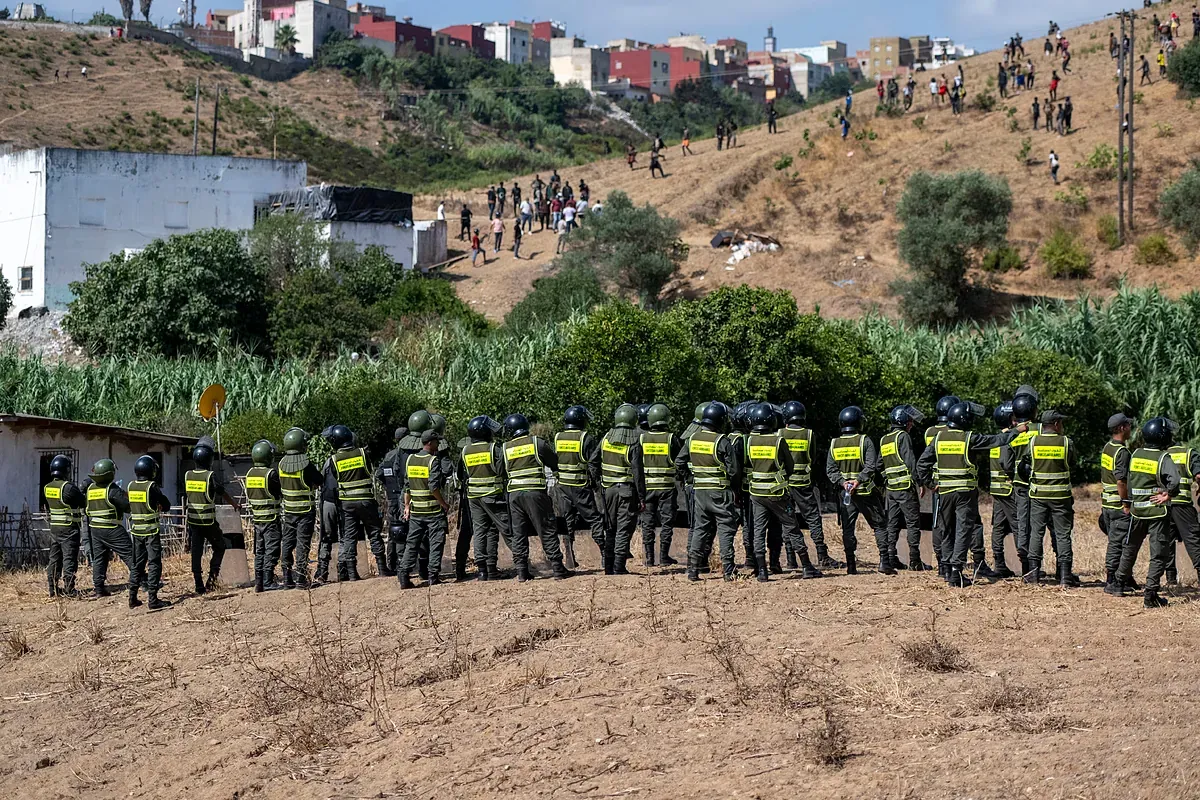
The Spanish government has recently found itself in hot water following a significant error that has raised serious questions about the competence of its intelligence services. A month and a half after the massive influx of migrants into Ceuta—a situation that has been described by many as an invasion—the political landscape remains tumultuous. The city continues to experience an explosive atmosphere, with solutions to the crisis still elusive, political battles intensifying, and both the government and the opposition taking defensive stances. Meanwhile, in neighboring Rabat, political dynamics are shifting as electoral outcomes begin to take shape, and in Melilla, tensions are heightening. The combination of issues surrounding Morocco, Ceuta, the Sahara, immigration, and the involvement of key political figures like Marlaska and Robles has created a perfect storm of unrest.
A Chaotic Response to Crisis
In the wake of various scandals, including the sentencing of the former minister Ábalos to 24 years in prison and ongoing investigations involving numerous socialists, many believed that the political landscape could not become any more chaotic. Yet, the situation has proven otherwise, as the influx of nearly 80,000 individuals into Ceuta demonstrated the government's failure to respond effectively to a brewing crisis. This sudden demographic shift saw the population of Ceuta soar from 82,000 to over 150,000 in the blink of an eye, with around 8,000 migrants still remaining in the city, including minors. Alarmingly, neither the Spanish government nor the Moroccan regime appeared to have anticipated this mass movement, despite clear warning signs. The lack of urgency in addressing these warnings has led to a situation that many are now referring to as an invasion rather than a mere migration.
Images from the end of July captured the overwhelming numbers of people arriving at the beaches of Castillejos, yet they did not seem to prompt any significant changes in vacation plans for Prime Minister Sánchez or celebrations for Moroccan officials. Following a brief visit to Ceuta, where Sánchez declared the situation an attack on Spain's territorial integrity, he quickly returned to his leisure activities, leaving a sense of disillusionment among the citizens. The government's approach has been criticized for its lack of foresight and responsiveness, leading to another significant blunder: the undermining of the intelligence services, which has only compounded the crisis.
As the political fallout continues, questions arise about accountability and responsibility within the government. While some may have resigned in lesser capacities, the expectation for substantial political repercussions seems unmet. This ongoing situation underscores the urgent need for a reevaluation of how these crises are managed, particularly regarding the role and effectiveness of intelligence operations in safeguarding national interests. The citizens of Ceuta, among others, deserve more decisive leadership and action in these trying times.
As reported by elmundo.es.