Strategic Expansion of Tourism Infrastructure in Morocco
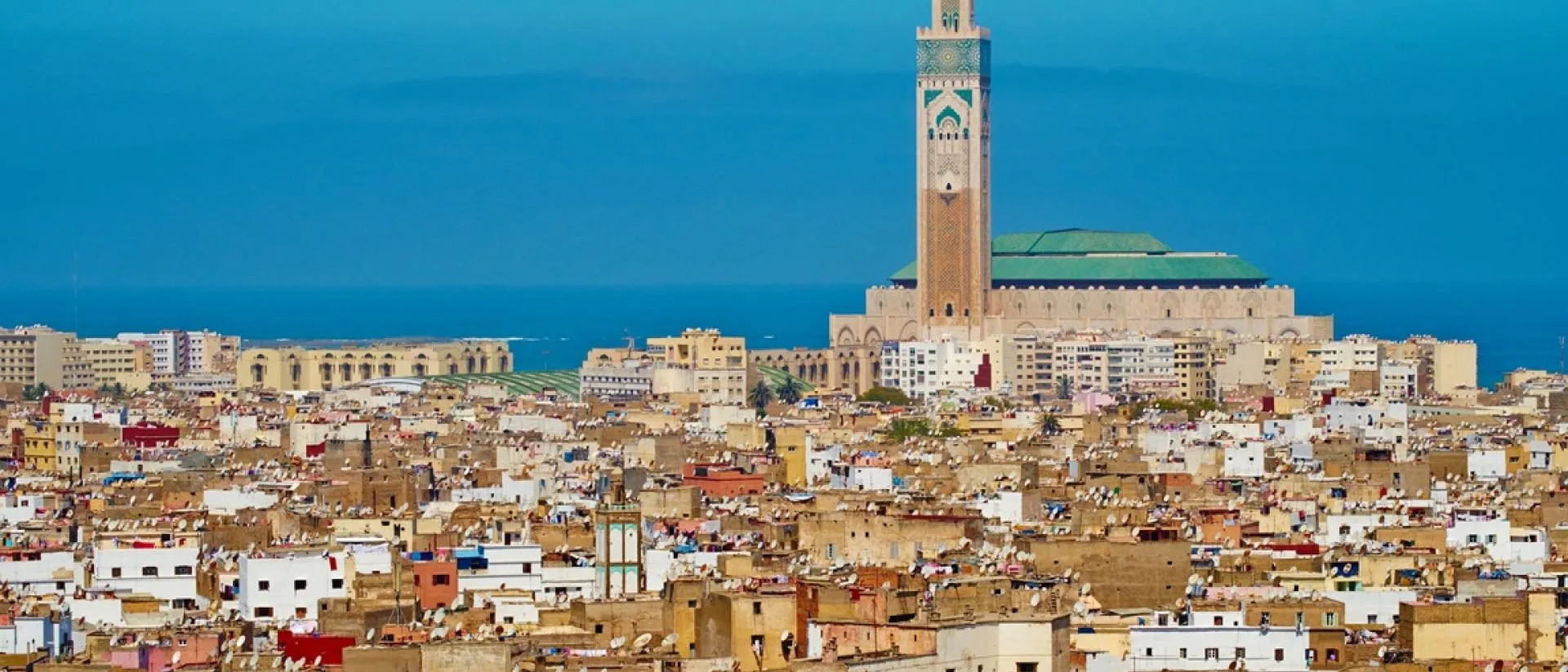
As Morocco gears up to co-host the FIFA World Cup 2030 alongside Spain and Portugal, the nation is embarking on a significant initiative to enhance its tourism capacity. The Moroccan government has announced plans to introduce an additional 60,000 hotel beds, which will augment the country’s lodging capacity by approximately 20%. This expansion is part of a broader strategy aimed at transforming Morocco into a major tourist destination on the global stage.
The comprehensive program entails a substantial investment exceeding 190 billion MAD (around 17.8 billion euros) directed towards pivotal sectors including transportation, urban infrastructure, and tourism. This investment will cover the development of airports, railways, roads, stadiums, and various urban development projects, all of which are crucial for supporting the anticipated influx of visitors during the World Cup.
Enhancing Connectivity and Visitor Experience
Morocco aims to attract 26 million international visitors by 2030, building on the nearly 20 million visitors recorded in 2025. To facilitate this growth, enhancing air connectivity is a top priority for the government. Plans are underway to strengthen ties with China, the United States, and markets across the Middle East to accommodate the expected rise in tourist arrivals.
Moreover, the capital city of Rabat is being developed into a cultural tourism hub, designed to host sporting events and business gatherings. This initiative is expected to broaden the city’s role within the tourism sector, supported by investments in transportation links and urban infrastructure.
The additional hotel capacity is not only crucial for meeting the demands generated by the World Cup but also aligns with Morocco's overarching growth strategy in tourism. The new accommodations will serve various cities and locations that are expected to host international visitors before, during, and after the tournament.
These tourism expansion efforts are being complemented by improvements in airport facilities, railway services, and road networks, all aimed at reinforcing connections among major cities and tourist attractions. The 2030 program encapsulates a synergistic approach, combining growth in lodging with advancements in aviation, mobility, and destination development. Morocco's tourism authorities are leveraging the World Cup preparations to support their national goal of achieving 26 million international arrivals by the end of the decade.
As reported by expreso.info.