Morocco has launched an ambitious infrastructure program valued at $14 billion, aimed at enhancing its transportation sector in preparation for hosting the 2030 FIFA World Cup. This initiative, announced by Transport and Logistics Minister Abdel Samad Guij, emphasizes the expansion of airports, modernization of railways, and strengthening of maritime connections. The plan reflects a broader national strategy to position Morocco as a global transport hub linking Europe, Africa, and international markets while supporting tourism and fostering long-term economic growth.
A key focus of this extensive program is the significant expansion of Morocco's aviation sector. Authorities aim to double the capacity of airports from 40 million to 80 million passengers annually by the end of the decade. These developments are designed not only to address the anticipated surge in demand during the World Cup but also to cater to the steady growth in tourism and international travel.
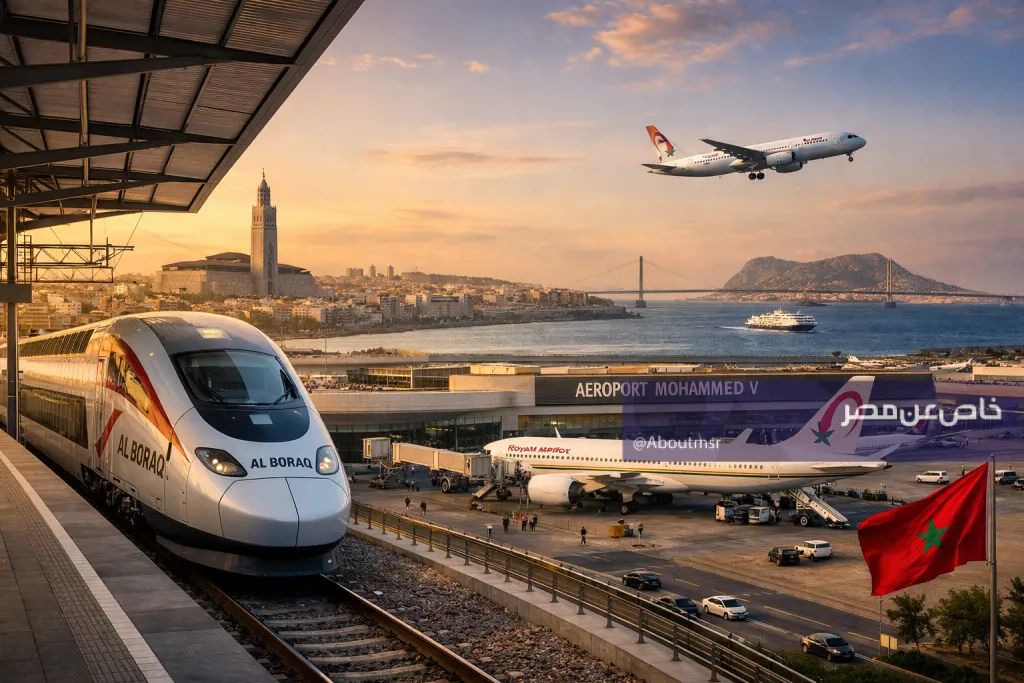
In parallel with airport upgrades, Morocco is investing nearly $10 billion in its railway network, with a strong emphasis on high-speed rail. Currently, Morocco operates the Al Boraq, the fastest high-speed train in Africa, connecting Tangier to Casablanca in about one hour. The next phase will expand this network southward to Marrakech, significantly reducing travel times: from Casablanca Airport to Marrakech, the duration has decreased to 55 minutes, while the journey from Tangier to Marrakech has plummeted from 7 hours to approximately 2.5 hours. This expansion is expected to contribute to the establishment of a more integrated national transport system, linking major airports with high-speed rail.
Morocco's strategy goes beyond mere infrastructure expansion; it encompasses the creation of a seamless, multimodal transport experience. These initiatives aim to enhance passenger comfort and increase the country's appeal as a transit hub. The Moroccan government prioritizes the expansion of direct international flight routes, reducing reliance on European transit hubs. Royal Air Maroc, the national carrier, has already launched new long-haul routes to cities such as Los Angeles, Beijing, Rio de Janeiro, and Sao Paulo. The airline plans to grow its fleet from 70 to 200 aircraft by 2035, supported by an investment program of nearly $25 billion, which is expected to strengthen Morocco's connections with the Americas, Asia, and beyond.
This investment is closely linked to Morocco's tourism ambitions, aiming to attract over 26 million visitors annually by the end of the decade. Morocco has already established itself as a leading tourist destination in Africa, having welcomed around 20 million visitors last year. The tourism sector contributes approximately 7% to the national GDP, making it a vital pillar for economic development.
In addition to air and rail transport, Morocco is advancing plans to develop its maritime transport capabilities. Authorities are working to establish a national fleet to enhance connectivity with Europe across the Strait of Gibraltar, which is only 14 kilometers away. Officials assert that this project will bolster national sovereignty in maritime logistics services and support foreign trade.
The $14 billion investment represents one of the most ambitious infrastructure programs in Morocco's history. While the upcoming World Cup serves as a partial motivator, this initiative is clearly designed with broader future prospects in mind. By expanding the capacity of its transport sector, improving connectivity, and integrating various modes of transport, Morocco is solidifying its position as a key global gateway, leveraging sports as a catalyst for sustainable economic transformation.
As reported by aboutmsr.com.