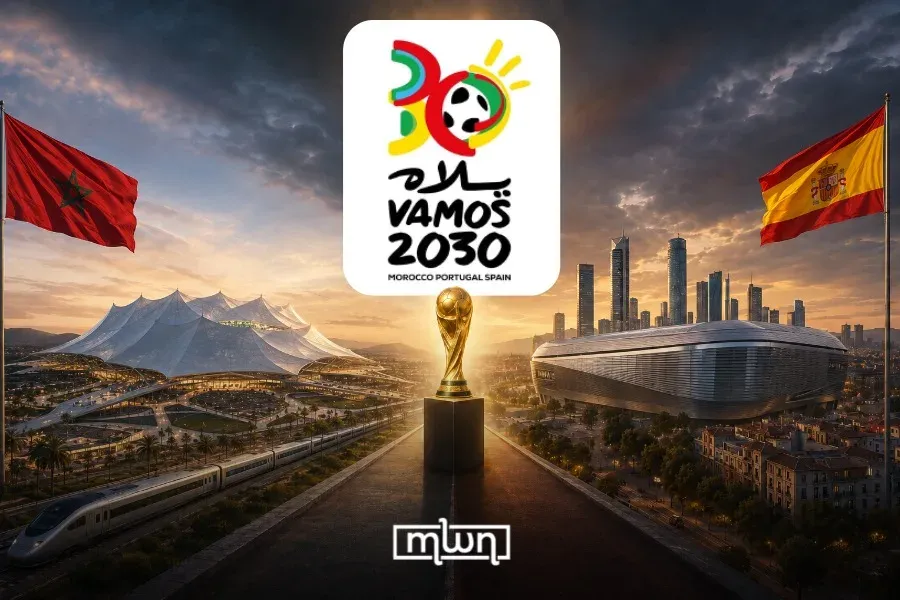
The competition to host the final of the 2030 FIFA World Cup has intensified, challenging the long-held perception that Spain's Santiago Bernabeu Stadium was the frontrunner for the prestigious match. For many years, this iconic venue in Madrid was considered the most suitable location to showcase the culmination of the centenary edition of the tournament, co-hosted by Spain, Portugal, and Morocco. However, recent insights from The Athletic indicate that Morocco's ambitious preparations and its rising prominence within the global football landscape are reshaping this narrative into a more complex and competitive scenario.
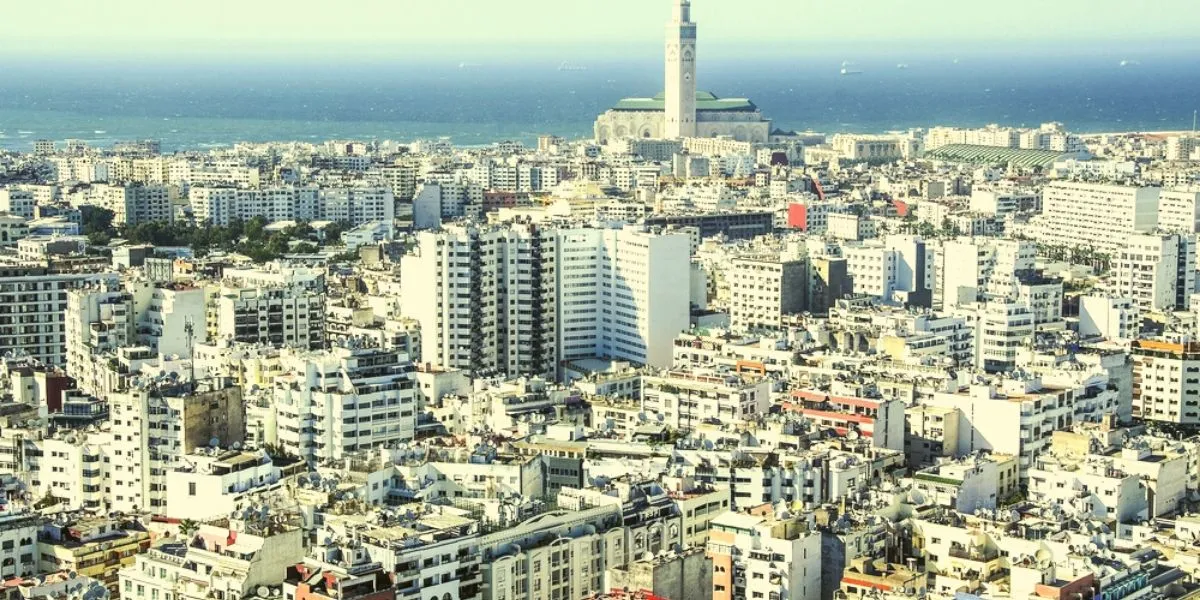
Despite the absence of a definitive ruling from FIFA regarding the host of the final, sources referenced by The Athletic reveal that Casablanca's Stade Hassan II is emerging as a formidable contender. This shift comes on the heels of considerable investments and strategic planning by Moroccan officials, who are committed to establishing their nation as a key player in the world of football.
Changing Fortunes: The Bernabeu's Position in Jeopardy
Historically, Spain's football federation (RFEF) has viewed the Santiago Bernabeu as the natural choice for the World Cup final, given its rich history of hosting major football events, including a previous World Cup Final, UEFA European Championship finals, and multiple UEFA Champions League Finals. Following a significant €1.5 billion redevelopment, the stadium is now considered one of the most advanced football venues worldwide. Nonetheless, as reported by The Athletic, the landscape has shifted dramatically over the past 18 months, with voices within the Spanish football community suggesting that the RFEF's position is weakening against Morocco's proactive approach. One insider emphasized that while the Bernabeu was once the undeniable favorite, the current dynamics suggest that Morocco's investments and strategic developments have made the race much more competitive.
Morocco's Ambitious Vision and Rising Influence
Even before FIFA's confirmation of Morocco as a co-host for the 2030 World Cup, the nation had embarked on a substantial investment in infrastructure tailored for the tournament. Central to this initiative is the construction of Stade Hassan II, which is projected to accommodate 115,000 spectators and become one of the largest football stadiums globally. With an estimated public funding commitment of around €1 billion, Morocco is also enhancing its transport infrastructure, creating vital connections between the stadium and major urban areas like Casablanca and Rabat. Moroccan officials have articulated their aspirations candidly, with Yassir Soussi, ANEP Director General, asserting that the new stadium would better meet FIFA's requirements compared to the established Bernabeu. Furthermore, there is a strong sentiment that awarding the final to Casablanca would promote geographical fairness, considering that Africa has only hosted the World Cup final once, in 2010.
The report from The Athletic also draws attention to the growing influence of Fouzi Lekjaa, president of the Royal Moroccan Football Federation, who has become a significant figure in global football governance. His roles within the Confederation of African Football and FIFA's ruling council, combined with his close association with FIFA President Gianni Infantino, position Morocco favorably in the ongoing negotiations. The recent inauguration of FIFA's new Africa office in Rabat further underscores Morocco's burgeoning significance in the football world.
In contrast, Spain's football landscape has been marked by institutional challenges, including leadership changes within the RFEF following the departure of former president Luis Rubiales. Current president Rafael Louzán has yet to establish the same level of influence as his Moroccan counterpart, leading to concerns about Spain's ability to maintain its status as the preferred host for the final.
Ultimately, the decision regarding the location of the World Cup final rests with FIFA, which traditionally relies on a small group of senior executives to make such determinations, rather than conducting a public bidding process. Factors influencing FIFA's decision include logistical considerations, commercial viability, and political support, all of which are critical to the operational success of the event.
As the situation stands, it is clear that the race to host the 2030 FIFA World Cup final is far from settled. With Morocco's significant investments in infrastructure and its increasing influence in international football, the competition has become more dynamic and unpredictable than ever before. While Spain remains confident in the Bernabeu's appeal, the outcomes of FIFA's deliberations will ultimately reveal the future of this iconic tournament. As reported by moroccoworldnews.com.