Esperanzah!: A Festival with a Difference
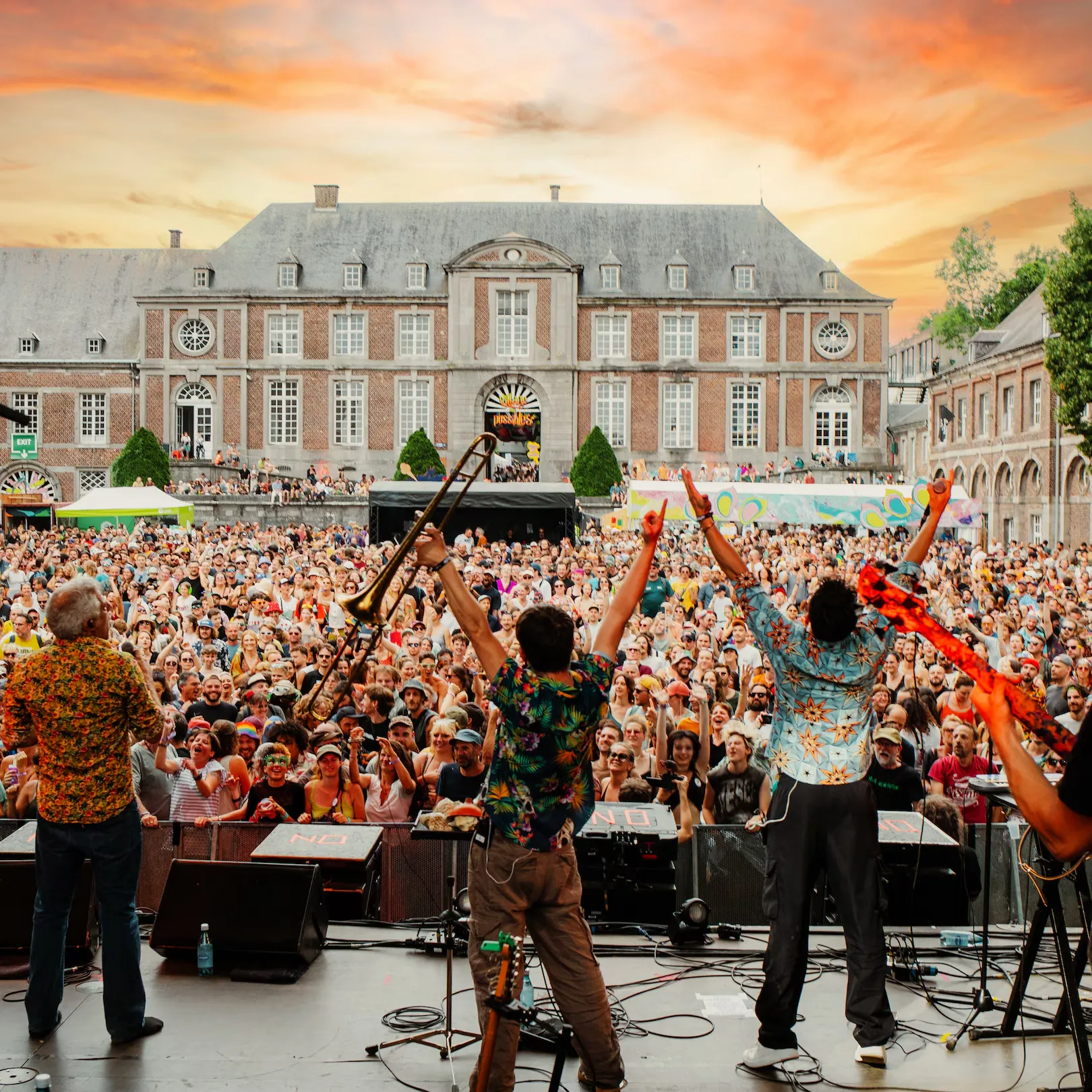
The Belgian festival landscape, increasingly homogenized, finds a refreshing exception in Esperanzah!. Nestled within the ancient grounds of the Floreffe Abbey, this festival stands firm against the trend of unattainable headliners. With an audacious economic stance and a commitment to social justice, Esperanzah! serves as a bastion of shared utopia amid the turmoil of the world, emphasizing discovery, collective reconnection, and artistic expression. We had the opportunity to engage with Arnaud de Brye, the festival's artistic and event director, to explore how this unique festival carves its niche in a crowded market.
Crafting a Diverse Line-Up
When it comes to assembling the festival line-up, Arnaud emphasizes the element of surprise, noting that many artists are booked months in advance, often gaining prominence in the interim. A prime example is Ino Casablanca, who was relatively unknown last September. Beyond the element of surprise, Arnaud seeks a rich blend of fusion music, unique sounds, and cultural diversity that cannot be found elsewhere. He cites the Franco-Greek singer Melina, who beautifully intertwines traditional Greek music with modern pop and electronic influences.
Moreover, the festival prioritizes artists with a strong social message, which Arnaud describes as crucial. They remain politically engaged, focusing on collective resistance against the rise of extremism through their year-long educational campaign. This initiative not only seeks to highlight critical perspectives on society but also to foster meaningful dialogue among festival-goers.
Esperanzah! distinguishes itself from industry giants through its strict adherence to two key principles: surpassing gender parity and championing emerging talent. Unlike many festivals that relegated up-and-coming artists to small stages at inconvenient times, Esperanzah! showcases them prominently. For instance, the Italian artist La Niña will perform on the main stage at 9 PM on Sunday, a bold move that reflects the festival's commitment to authenticity over commercial viability.
As ticket prices soar due to the ongoing crisis in the music industry, Esperanzah! has adopted a strategy that makes the festival experience itself the main attraction, rather than relying solely on big-name acts. Arnaud states, "What sells tickets for us are our values and our vision for society." This philosophy enables them to remain sovereign and true to their mission, even amidst challenging economic conditions.
As the festival landscape becomes increasingly fragmented, Arnaud reflects on the challenges posed by large multinational corporations that dominate the market. These giants prioritize exclusive contracts, leaving smaller, independent festivals like Esperanzah! struggling to carve out their own identity. The competition for top-tier artists has led to a homogenization of festival line-ups, which threatens the diversity of cultural offerings.
Despite rising inflation and production costs, Esperanzah! is committed to keeping ticket prices accessible. They have implemented a tiered pricing system, ensuring that the festival remains as democratic as possible. This commitment to affordability is underscored by their partnerships with over forty organizations, working year-round to foster community connections and combat individualism.
As the festival prepares for its upcoming edition from July 31 to August 2, Arnaud expresses cautious optimism regarding ticket sales, noting they are ahead of last year's figures. However, the final outcome hinges on the weather, as they hope for favorable conditions to ensure a successful event.
As reported by moustique.be.