Morocco Strengthens Its Role in the Aerospace and Defense Sector
Morocco has emerged as a pivotal industrial partner for major aerospace and defense companies, attracting factories from the sector that seek a strategic foothold in the African market. This development is also a response to the internal programs stemming from recent budgetary efforts in defense, particularly in light of the arms race with neighboring Algeria. By the end of 2025, Israeli company IAI will inaugurate its first loitering munition factory in Casablanca, marking a significant milestone for North Africa. Almost concurrently, Indian firm Tata is set to begin manufacturing 8x8 armored vehicles in its new facility near this coastal city.
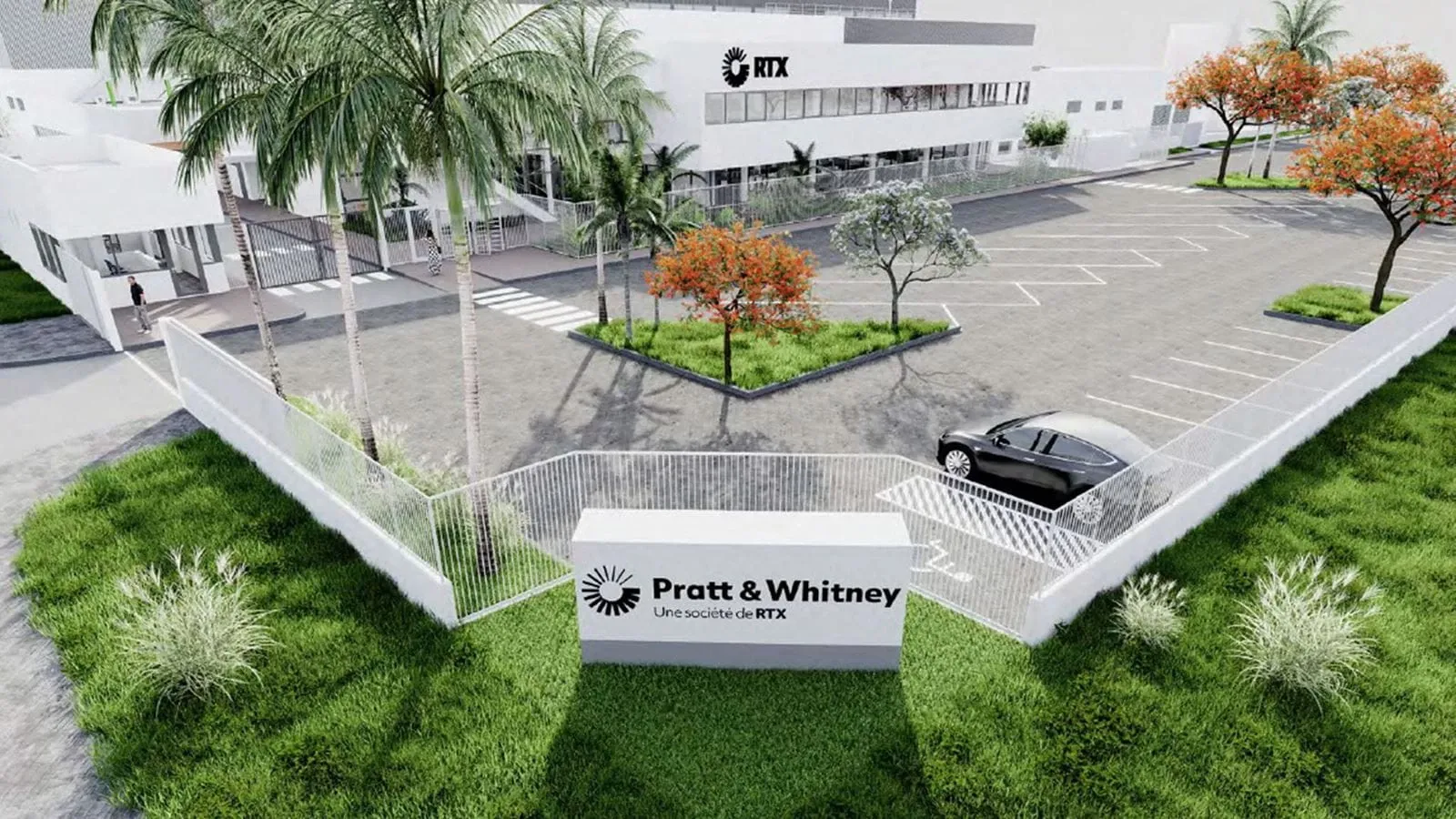
Across the Atlantic, the U.S. defense industry is also turning its attention to Morocco. Recently, Pratt & Whitney, a prominent engine manufacturer, launched a 40,000-square-meter plant in Casablanca, dedicated to producing components and structures for aircraft engines for its Canadian division. Notably, Pratt & Whitney is part of RTX Corporation, the world's largest defense group, which also includes missile manufacturer Raytheon.
Strengthening U.S.-Morocco Defense Relations
The United States and Morocco have maintained robust and strategic defense relations for decades, establishing Morocco as a preferred customer for U.S. firms. This alliance has led to substantial programs for the Moroccan Armed Forces, including F-16 fighter jets and Apache helicopters. Currently, bilateral relations are at one of their highest points, exemplified by the signing of a new joint defense roadmap this April that outlines collaboration for the next decade. A new drone training center for the U.S. Army in Morocco is part of this renewed partnership.
Returning to Pratt & Whitney's new facility, the company plans to create approximately 200 new jobs by 2030 while enhancing production capacity to meet the growing demand for engines. The construction phase, which began in 2024, has progressed swiftly towards operational readiness, including staff hiring, technical training, and the installation of advanced machining equipment. The plant is designed with lean manufacturing principles and incorporates advanced digital systems to enhance quality, operational excellence, and efficiency.
According to the company's statement, operations will commence with the production of static and structural machined components for Pratt & Whitney Canada's aerospace engines, including the PT6 engine family. The company supplies around 40% of the engines used in passenger aircraft worldwide and has a strong presence in the military sector, manufacturing engines such as the F100 for F-15 and F-16 fighter jets, the F117 for C-17 transport aircraft, the TF33, the F119 for the fifth-generation F-22, and the F135 for the fifth-generation F-35 fighter.
“Through close collaboration with local organizations, we are developing the next generation of aerospace professionals, investing in the communities where we operate, and contributing to strengthening Morocco's position as a leader in the aerospace industry,” emphasizes Maria Della Posta, President of Pratt & Whitney Canada.
As reported by infodefensa.com.