Growing Demand for Fruits in Spain
The demand for fruits in Spain is experiencing a significant surge, with fruits increasingly becoming a staple in the shopping baskets of Spanish consumers. As a fundamental component of the Mediterranean diet, fruits are gaining prominence, which is beneficial for local farmers. However, this upward trend is complicated by the massive influx of fruits from third countries, raising concerns for the agricultural sector regarding the sustainability of this growth.
Key Fruits and Import Statistics
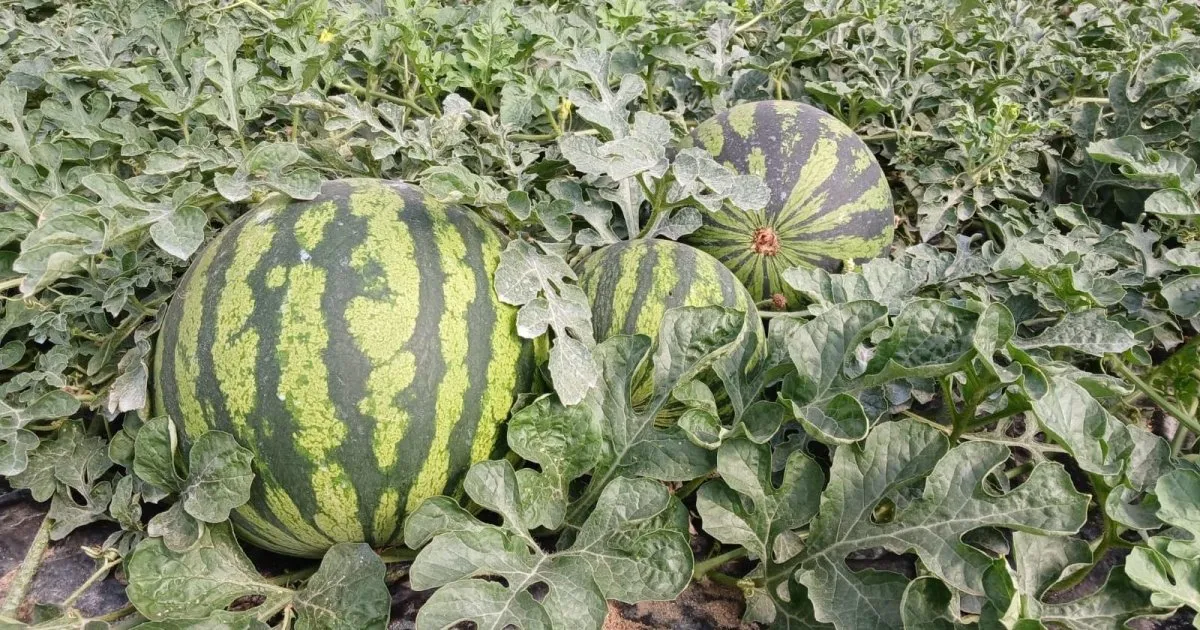
According to the ALDI Fresh Products Observatory in Spain for 2025, fruits rank among the top fresh items gaining ground in purchase preferences, with a notable increase of 2.8%. Spaniards are buying fruits an average of 83 times a year, purchasing approximately 2.4 kilograms per visit. Watermelons, grapes, and avocados stand out as the three fruits with the most significant rise in supermarket sales in 2025 compared to 2024, showing impressive increases of 21.3%, 16.4%, and 13.5%, respectively. These fruits represent significant agricultural production in Spain, a key European hub for these crops. Nevertheless, the growing presence of imports from third countries in the market for these popular fruits in 2025 raises concerns.
Data from the Ministry of Economy, Trade, and Business, as reported through DataComex, indicates that in 2025, the total imports of watermelons, grapes, and avocados reached an astonishing 518,055.14 tons, marking a 19.09% increase. Avocados accounted for the majority of this figure, with 307,912.19 tons imported, predominantly from Peru (169,596.53 tons), followed by Morocco (39,159.30 tons) and Chile (20,917.79 tons). These figures reflect a 17.49% increase in imports year-over-year, largely driven by Peru, which alone increased its transactions by 23.28%.
Similarly, grapes sourced from Peru and Chile, with Italy also among the top suppliers, saw a total import of 113,364.13 tons in 2025, a 22.42% rise from the previous year. Notably, 35,483.30 tons came from Peru, marking a staggering 56.63% increase compared to 2024. Watermelon, noted as the most sought-after fruit in supermarkets in 2025, saw nearly 100,000 tons imported. Of the total 96,778.82 tons imported last year—a 20.49% increase from 2024—49,534.21 tons originated from Morocco, which dramatically boosted sales by 72.56%, making it the top supplier. In contrast, Senegal ranked second with only 12,952.48 tons exported.
This shift in import volumes for these essential fruits is causing discontent among local farmers, who voice concerns over the unfair competition posed by third countries. They highlight the labor cost advantages and the application of phytosanitary measures that countries like Peru, Chile, and Morocco benefit from. Furthermore, as seen with Morocco, they leverage trade agreements to saturate the market at critical moments, putting additional pressure on Spanish farmers.
The grievances of domestic producers underscore the challenges they face in competing with prices set by third countries, which exploit favorable legislation to gradually gain market share, posing a threat to the viability of certain crops within Spain.
As reported by eldebate.com.