
Mobilizing Voters Through Traditional and Digital Strategies
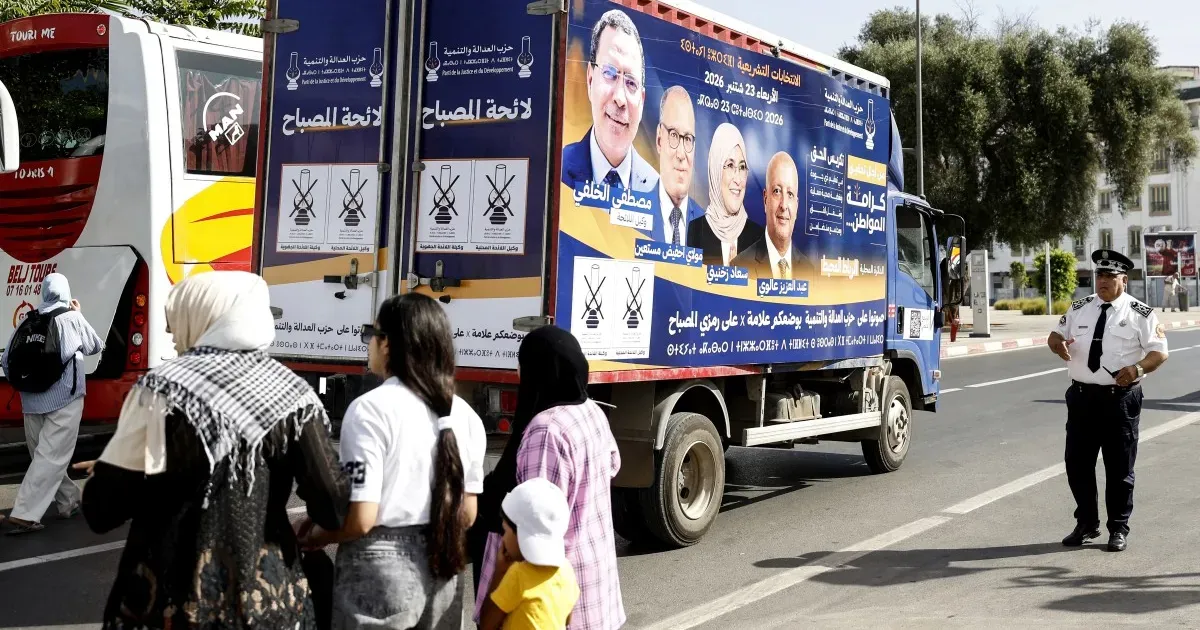
As Morocco approaches its legislative elections scheduled for September 23, political parties are ramping up their campaign efforts to secure votes and ultimately determine the composition of the next government. A total of twenty-seven political parties are competing for 395 seats in the House of Representatives, making this election a pivotal moment for the nation. Current debates surrounding rising living costs, increasing pressure on public services, and alarmingly high youth unemployment—currently standing at 37.3 percent among Moroccans aged 15 to 24—are shaping the political discourse and influencing voter priorities.
The campaign landscape is bustling, with party headquarters transformed into strategic operation centers. These hubs are complemented by vibrant activities in city neighborhoods and busy markets, where campaign teams actively engage with the electorate. Armed with loudspeakers, music, and informative leaflets, they navigate crowded streets to capture the attention of Morocco’s 15.8 million registered voters. Al-Wali al-Shtouki, the campaign manager for the Justice and Development Party (PJD) in the Medina-Sidi Youssef Ben Ali district, explained the meticulous planning behind their outreach. "We choose communication locations carefully; we start from a field map where we define the spaces where citizens meet naturally, then we divide the team according to tasks between direct communication and recording observations," he stated.
In addition to street-level engagement, party headquarters serve as vital venues for hosting small meetings that facilitate direct dialogue between candidates and citizens. These interactions play a crucial role in understanding voter concerns, guiding campaign strategies, and refining policy proposals. Al-Shafdi, head of the Moroccan Observatory for Political Participation, emphasized that a party's success hinges not only on organizational presence but also on the strength of its candidates and their connection to the community. "The true criterion is not the number of people who enter the headquarters, but its ability to convert organizational movement into electoral mobilization, mobilization into votes, and votes into seats," he remarked.
Balancing Traditional Campaigning with Digital Outreach
The competitive nature of this electoral cycle has compelled political parties to adopt multi-channel strategies that integrate grassroots outreach with dynamic digital campaigns. Fatima al-Tamni, a candidate for the Left Alliance in the Ain Sebaa – Hay Mohammadi district of Casablanca, stressed the importance of genuine engagement with voters rather than relying solely on superficial campaign tactics. She advocates for campaigns that create a platform for listening to constituents' concerns while offering tangible solutions to pressing issues such as transportation, housing, and pollution. "We do not want to speak to the citizen from above, nor turn the campaign into a festival of pictures and slogans. We want to speak with them in clear language, and hear from them before we speak in their name," al-Tamni asserted.
Political activist Youssef Ait Sidi Said from the Progress and Socialism Party echoed these sentiments, noting that contemporary campaigning has evolved into a continuous dialogue with the electorate. "For the party, this campaign is no longer just a specific period to introduce candidates and the electoral program, but has become an opportunity for direct and continuous communication with the population and listening to their concerns and expectations," he elaborated. Digital platforms have emerged as essential tools for reaching broader demographics, particularly youth, allowing for interactive engagement. However, Ait Sidi Said cautioned against relying solely on digital outreach, emphasizing the irreplaceable value of face-to-face communication. "Field communication allows direct listening to the citizen, while digital platforms allow expanding the reach, interaction, and documenting activities," he concluded.
As reported by aljazeera.com.