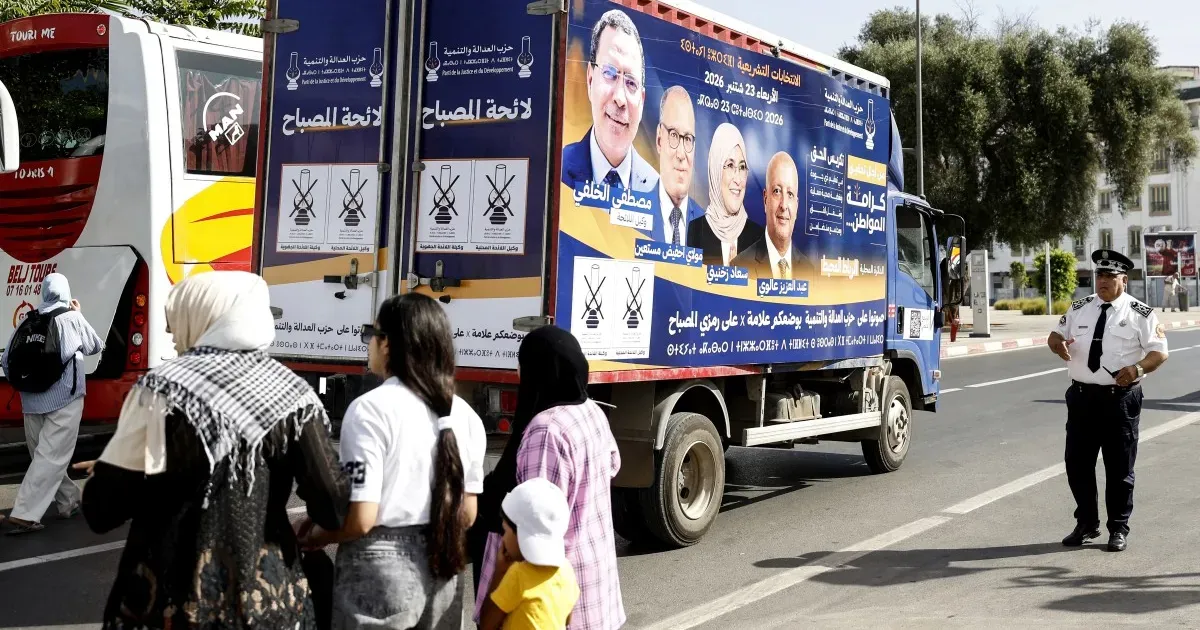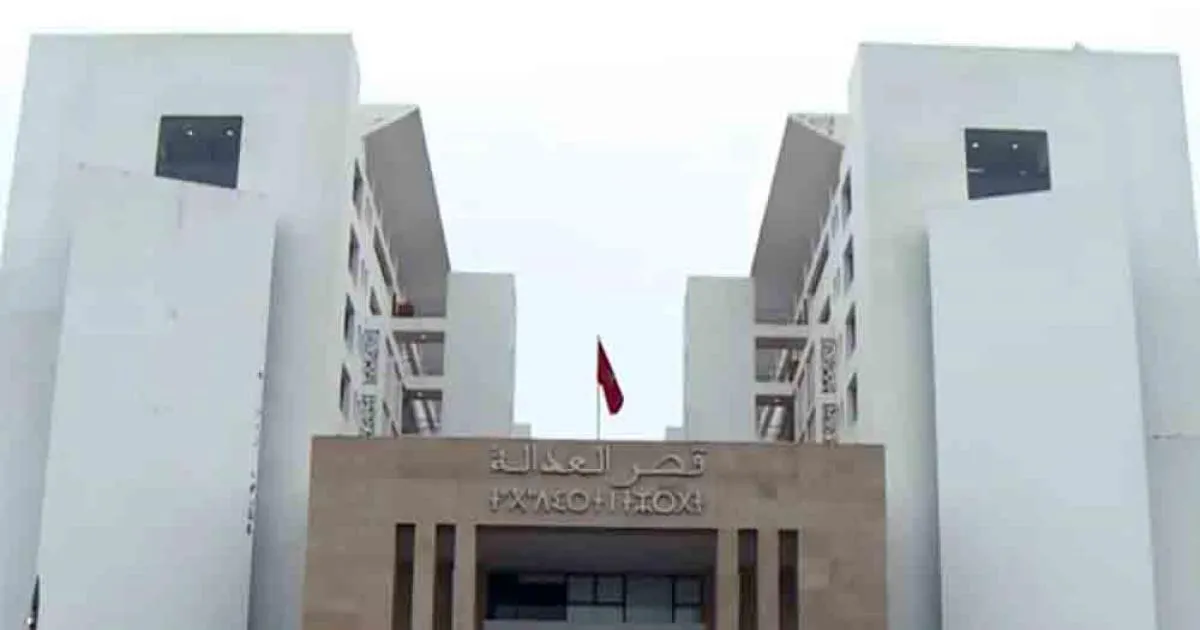

RABAT — The Moroccan legal landscape is set to remain inactive for a minimum of three additional weeks, as the Association of Moroccan Barristers (ABAM) has officially decided to prolong its total nationwide strike until the parliamentary session opens on October 9. This decision was reached following extensive discussions among the executive board of ABAM. With the legislative elections scheduled for September 23, the legal community has collectively resolved to suspend all courtroom representation, procedural filings, and state legal aid until a new governing coalition is established for the legislative term spanning from 2027 to 2031. Mohamed Hissi, the President of the Casablanca Bar Association, confirmed this extension, stating that an official announcement detailing the decision will be forthcoming.
The ongoing strike, which commenced in mid-June, represents one of the most drawn-out disputes between Morocco’s legal professionals and the state authorities in recent memory. Central to this conflict is Law No. 66.23, a reform package aimed at regulating the legal profession, which has been met with widespread criticism from practitioners despite its promulgation in the Kingdom's Official Bulletin. The key concerns driving the strike revolve around the rights of defense, the independence of the legal profession, and issues of administrative friction. Leaders of ABAM contend that Law No. 66.23 imposes unconstitutional restrictions on courtroom defenses, limits direct access to clients and investigative case files, and alters the structure of state-appointed legal aid in ways that are detrimental to both lawyers and low-income litigants. Furthermore, the legislation introduces more stringent administrative oversight and reporting requirements, which many lawyers perceive as punitive encroachments on the historical autonomy of the bar, compounded by grievances regarding the Ministry of Justice's failure to engage in meaningful consultations during the drafting process.
The ongoing suspension of legal services is generating significant disruptions throughout the justice system. Thousands of civil, commercial, and labor hearings are currently stalled, leading to unprecedented court backlogs that are expected to take months to resolve. More critically, the boycott of state legal aid has resulted in frozen criminal dockets, leaving numerous pretrial detainees in a state of legal limbo without formal hearings or opportunities to post bail. The halted judicial proceedings have also led to delays in corporate contracts, debt recovery, and property transfers, creating a climate of legal uncertainty in the domestic business landscape. By strategically aligning the strike with the October 9 parliamentary opening, ABAM appears to be looking towards the future and beyond the current executive. Moroccan lawyers are hopeful that the incoming government and newly elected legislature will provide the necessary impetus to reopen negotiations and amend the contentious statute.
As reported by middle-east-online.com.