
Understanding the Surge of Migrants at the Ceuta Border
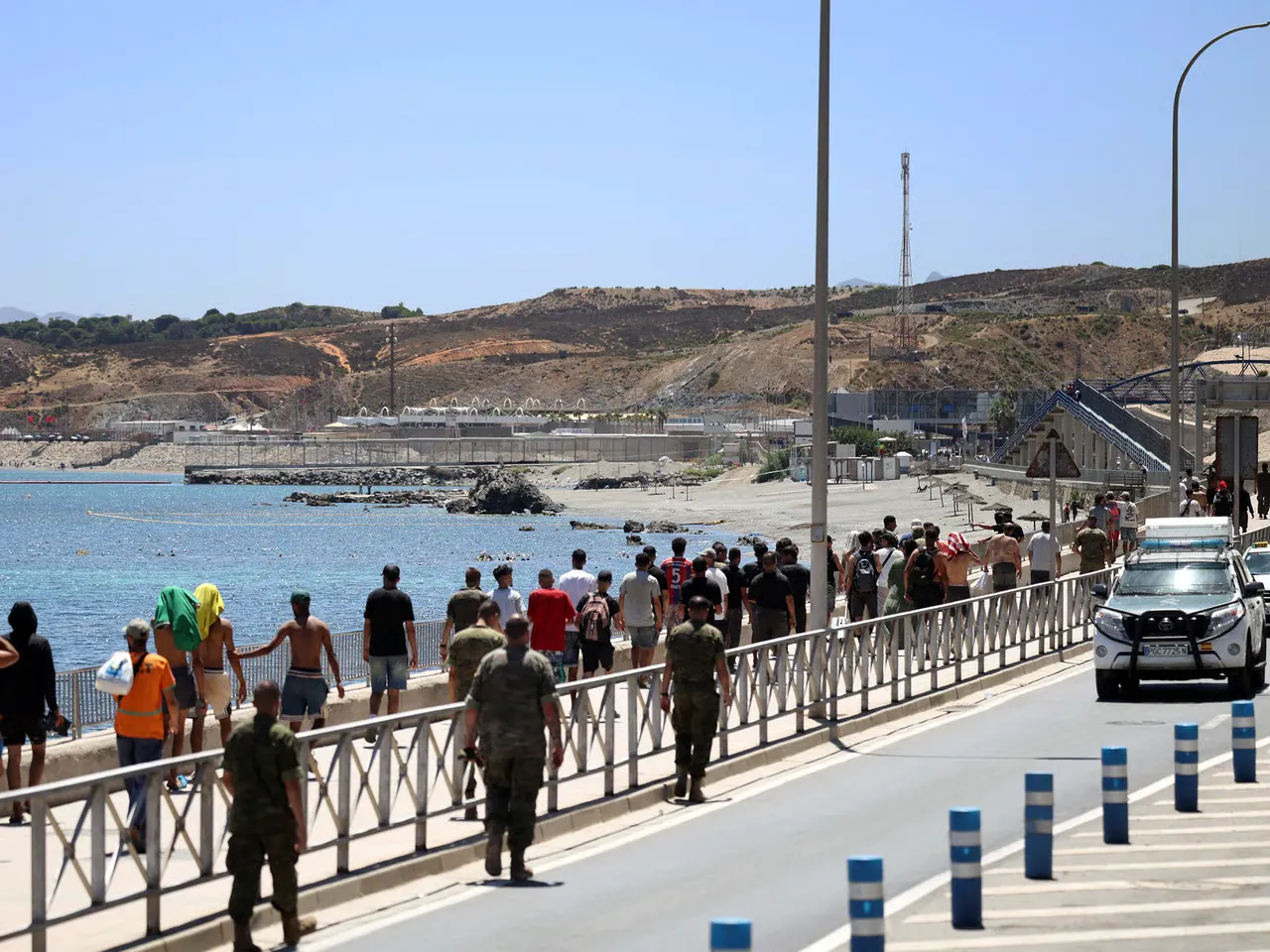
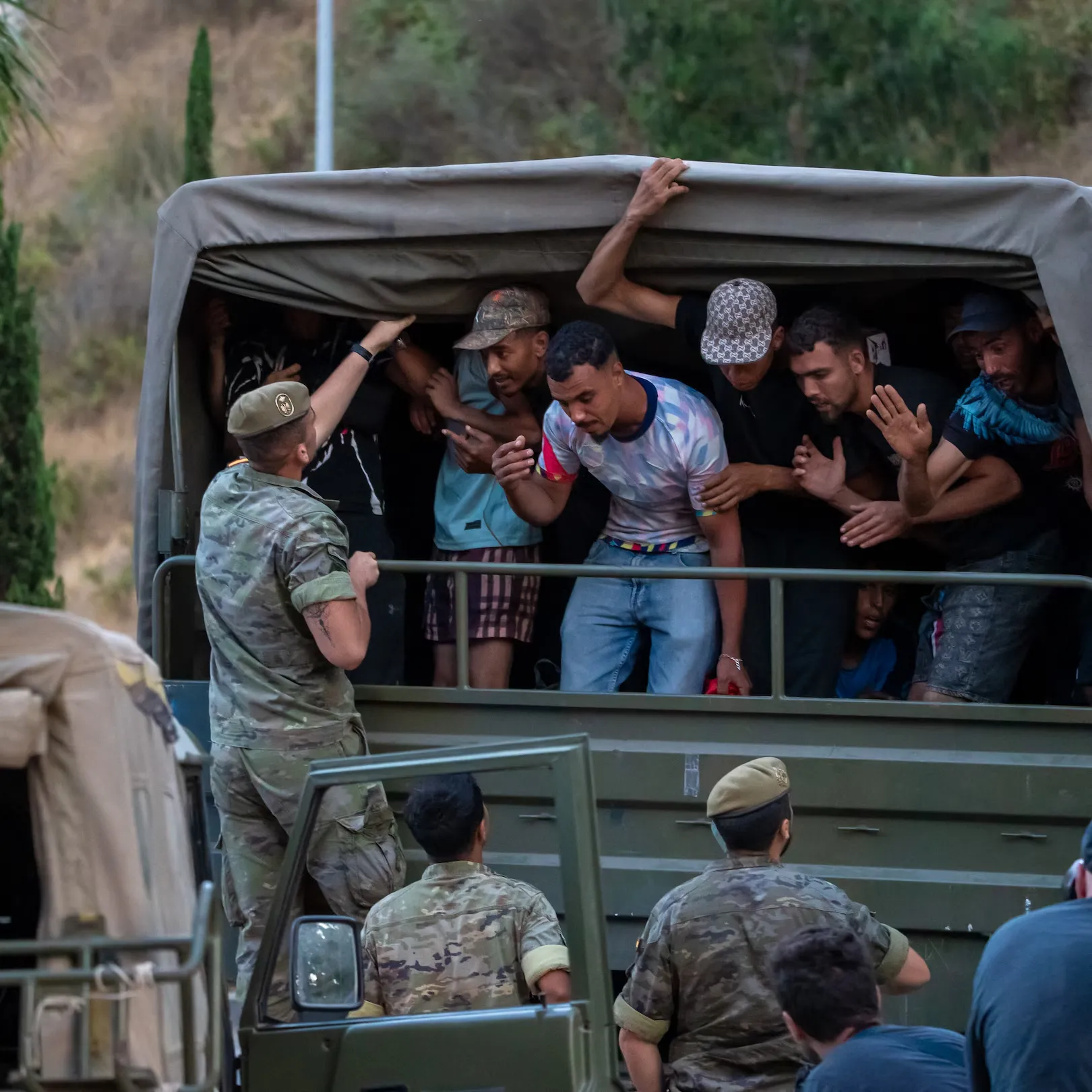
Recently, a staggering influx of migrants was reported at the Spanish enclave of Ceuta, with estimates suggesting that between 50,000 to 70,000 individuals crossed the border in an unprecedented wave over a short period. This remarkable movement of people can be traced back to a significant change in Moroccan border control policies, which saw authorities relaxing restrictions and allowing large groups to pass with minimal intervention. Observers noted that between the evening of July 30 and midday on July 31, a rate of 200 migrants per minute arrived in Ceuta, prompting a swift and dramatic response from both political and diplomatic spheres.
The sheer scale of this migration is unparalleled, reminiscent of earlier surges of refugees from conflict zones, yet this situation stands out for its rapidity and volume. The Moroccan authorities reportedly ceased their enforcement measures around the border, with police and auxiliary forces seemingly withdrawing, which allowed thousands to stream through. Additionally, rumors circulated in nearby provinces such as Tétouan and Tanger, and even as far as Larache, Kénitra, and Fès, that the border was open, further exacerbating the situation.
This event not only highlights the ongoing challenges of migration in North Africa but also raises questions regarding the implications of Moroccan policy on regional stability and humanitarian responses. As countries grapple with the complexities of migration, the recent developments in Ceuta serve as a crucial case study for understanding the interplay between national policies and migration patterns.
As reported by lalibre.be.