Marrakech's Luxury Real Estate Market Evolves
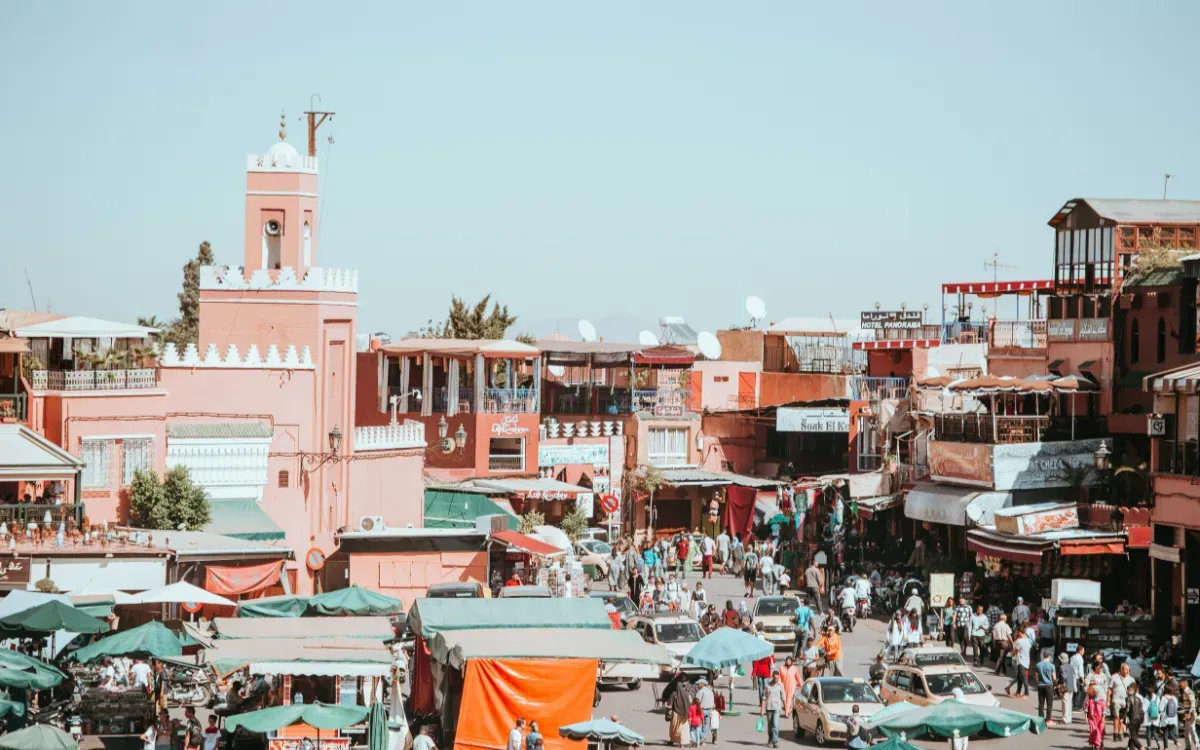
For the first time, the international consulting firm Knight Frank has released an in-depth study focusing on the "prime" residential market of Marrakech. The findings are clear: the ochre city is stepping out of its obscurity, attracting a younger and more international clientele, and witnessing a significant increase in property prices, while still maintaining a competitive edge compared to major European cities. This conclusion emerges from Knight Frank's inaugural report on Marrakech's upscale residential sector, published at the end of May 2026. Conducted in partnership with the local agency Stella Gallery, the study outlines a rapidly evolving sector driven by a rejuvenated international demand, infrastructure developments accelerated by the upcoming 2030 World Cup, and a still limited supply of high-quality offerings.
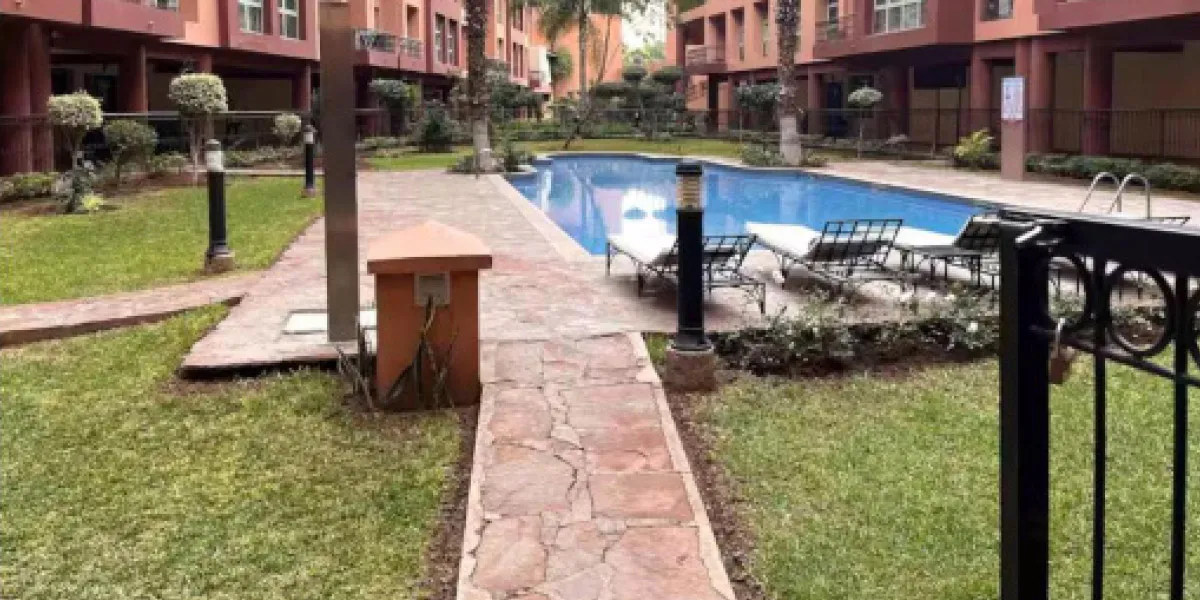
According to Knight Frank's data, the prices of premium real estate in Marrakech have risen by 16% since 2023. This robust growth is fueled by demand that far exceeds the supply of high-quality turnkey housing. Currently, the price per square meter generally ranges from €5,500 to €7,000 in the most sought-after areas. For comparison, prices reach €10,200 in Marbella, €10,730 in Lisbon, and over €22,000 in Milan, giving Marrakech a decisive competitive advantage. However, the study notes a bifurcated market; luxury hotel complexes (such as Mandarin Oriental, Aman, and Fairmont) and professionally managed developments account for the bulk of demand, while the construction quality outside these frameworks remains highly variable, making due diligence essential.
Exceptional Neighborhoods and the 'Rental First' Phenomenon
The report identifies five key neighborhoods. The medina remains the kingdom of riads, often converted into boutique hotels. Hivernage and the Majorelle district, being more central, attract a younger clientele with apartments priced between €3,200 and €3,700 per square meter, and between €2,300 and €2,500 for new off-plan developments. Amelkis, Al Maaden, and the Ouarzazate road offer villas with golf courses, while the Amizmiz road is described as the "most dynamic luxury corridor," particularly with the Fairmont Royal Palm soon launching its latest tranche of 60 lots. Finally, the northern Palmeraie and Casablanca road remain the most discreet and exclusive segment, where transactions are primarily conducted off-market, featuring mature gardens over 50 years old.
Simultaneously, a significant trend is emerging: the "rental first" approach. Many affluent buyers are now renting a villa for six to twelve months before deciding to purchase, allowing them to test a neighborhood, schools, and everyday life. Stella de Bagneux, the Knight Frank reference agent in Marrakech, explains: "This serves as a breeding ground for future sales and is a key indicator of market depth." This more mature behavior transforms the high-end rental market into both a filter and a launchpad for future purchases.
The profile of buyers has radically changed. While retirees are still present, they no longer dominate the market. Buyers aged 40 to 50, often still professionally active and with children to educate, now represent the largest segment of demand. “Marrakech is no longer just a retirement investment; it is a vital part of a global portfolio of residences,” summarizes Mark Harvey of Knight Frank. In terms of nationalities, French, Belgian, and British buyers remain at the forefront, but demand is expanding. The Moroccan diaspora, particularly those based in the United States, buyers from Dubai seeking alternatives, and families from the Middle East have become key drivers. Americans are also increasingly present, supported by new direct flight connections, such as Delta's service to Atlanta.
The co-hosting of the 2030 World Cup by Morocco acts as a catalyst for infrastructure improvements. The extension of the high-speed train line between Casablanca and Marrakech is expected to reduce travel time to about 90 minutes. The Marrakech-Menara Airport is set to double its capacity to accommodate 16 million passengers, already offering direct flights to 111 destinations, including New York and Riyadh. Tourism has rebounded, with 19.8 million foreign visitors in 2025, compared to 12.9 million in 2019. This influx directly benefits the high-end rental market, with gross yields of 7% to 10% for villas intended for seasonal rental.
Furthermore, the report highlights Morocco's favorable tax environment: no wealth tax or inheritance tax, a network of treaties to avoid double taxation, and transaction costs of around 10% for foreign buyers. The annual tax for a premium villa is approximately €3,000. For 2026, Knight Frank anticipates continued growth driven by the scarcity of quality offerings, an increase in international demand, and improvements in infrastructure. The values of prestigious properties are expected to rise by about 6% this year, confirming Marrakech's transformation into a structured and globally recognized second home destination.
As reported by leseco.ma.