Understanding the Interplay of Pedagogical and Motivational Factors
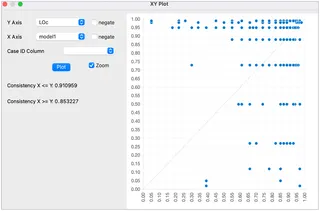
The quest for enhanced educational quality and improved student performance is a pressing challenge faced by academic institutions globally. With the growing demand for effective teaching methods, educational stakeholders must now navigate a complex landscape to ensure successful learning outcomes for students. Traditional recommendations often focus on isolated effects; however, it is crucial to recognize that successful learning typically emerges from a web of interconnected factors that operate synergistically. This study, grounded in constructivist Learning Theory, delves into the pedagogical and motivational elements that significantly influence learning outcomes in Moroccan higher education institutions. The primary objective is to identify and assess the nonlinear individual effects and the interactive causal configurations that involve multiple factors, such as teacher motivation, pedagogical leadership, self-efficacy, instructional innovation, the integration of information and communication technology (ICT), and student motivation, on overall learning outcomes. To gather empirical data, a comprehensive questionnaire was administered to 349 university students across Morocco, employing measurement scales for critical variables. The analysis utilized the fuzzy-set Qualitative Comparative Analysis (fsQCA) method, which identifies diverse combinations and causal pathways leading to high academic achievement. The findings underscore that exceptional learning outcomes are not attributable to a single factor; rather, they stem from the interaction of several interdependent conditions. Various combinations can yield similar high results, especially configurations characterized by strong teacher motivation, effective leadership, and strategic ICT utilization. This research suggests that technology is most impactful when it is seamlessly integrated into a supportive pedagogical and motivational framework, paving the way for a redefined approach to educational policies that account for the intricate interactions among individual, pedagogical, and technological components.
Implications for Educational Policy and Practice
As educational systems undergo profound transformations, including digital learning expansion and heightened expectations regarding competencies related to employability, the importance of securing robust learning outcomes has become an urgent focus for policymakers and educators alike. Previous research has predominantly examined individual factors, such as teacher attributes and behaviours, recognizing teacher motivation, pedagogical leadership, perceived self-efficacy, and the ability to implement innovative teaching practices as vital drivers of student achievement. However, these studies have often treated these factors as independent variables with linear effects, neglecting to explore the complex configurations that significantly impact academic performance. This gap in understanding has prompted a shift towards multi-conditional approaches, such as Qualitative Comparative Analysis (QCA), which allows for a more nuanced exploration of the causal configurations that lead to successful learning outcomes. The current study employs fuzzy-set Qualitative Comparative Analysis (fsQCA) to examine the combined effects of teacher-related factors and student motivation on high academic performance. By identifying specific combinations of factors that contribute to student learning outcomes, this research aims to inform training policies, encourage the adoption of innovative teaching methodologies, and provide concrete recommendations for enhancing teacher development and student engagement. More importantly, the study contributes to the ongoing discourse on educational effectiveness by embracing a configurational perspective that highlights the interactions among various pedagogical, motivational, and technological elements. This approach not only enriches theoretical understanding but also presents actionable insights that policymakers, administrators, and educators can implement to foster student success across diverse educational contexts.
As reported by journals.plos.org.