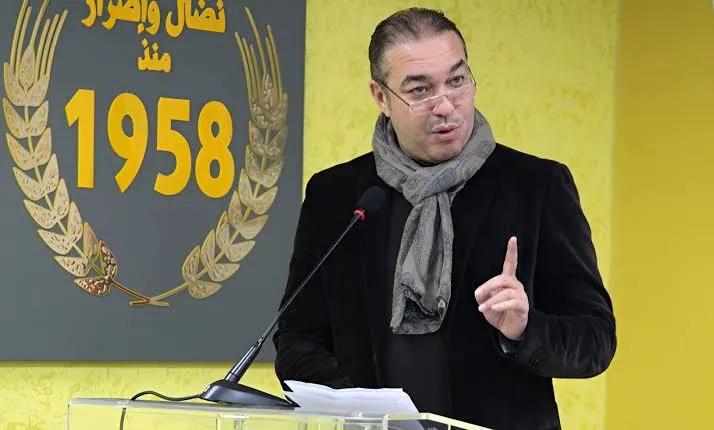

As the Moroccan political landscape heats up ahead of the elections scheduled for September 23, 2026, the Popular Movement party finds itself in turmoil, potentially jeopardizing its fragile unity. With less than five months to go before the polls, internal strife is erupting, primarily attributed to the leadership style of Secretary-General Mohamed Ouzine, who has been accused of monopolizing the electoral nomination process. This situation has not only raised concerns among party members but has also threatened to unravel the coalition's efforts just when they need to present a united front.
Reports suggest that the party's political bureau is experiencing significant unrest, as leaders express their discontent with Ouzine's so-called 'closed-door policy' regarding candidate endorsements. Instead of allowing a democratic process through established party structures, nominations have become the privilege of a select group closely affiliated with Ouzine, igniting outrage among the broader party ranks. This concentration of power is particularly alarming at a time when political alliances and strategies are crucial for election success.
Compounding the issue, the conflict is no longer confined to traditional factions within the party; it has extended to the newly joined Democratic Coalition, which was expected to bring fresh energy and perspectives to the Popular Movement. However, the swift transformation of this integration into a contentious debate underscores the widening rift between Ouzine's vision and the aspirations of new members. Notably, Ouzine has categorically denied endorsement to prominent figures from this faction, including parliamentary representative Rime Chbat, the daughter of the former Secretary-General of the Istiqlal Party, Hamid Chbat. This unexpected refusal jeopardizes her electoral ambitions in the northern Fes constituency, where her family name carries significant political weight.
Simultaneously, Ouzine appears to be pursuing alternative strategies that could further alienate the party base. By dismissing internal candidates, he is reportedly engaged in advanced negotiations with Khalid Al-Ajli from the National Rally of Independents, aiming to secure his candidacy for the southern Fes district. This decision not only undermines the potential of local figures like accounting expert Rachid Belbough but also raises eyebrows about the criteria used for candidate selection within the Popular Movement.
This unfolding drama presents complex challenges for Ouzine, who faces a dual threat: the potential departure of the Democratic Coalition and its leaders, which would represent a significant loss for the party, and the erosion of trust among existing leadership, who are closely monitoring how the nomination process is being handled. The implications of these developments are profound, as they not only threaten the party's electoral prospects but also call into question its commitment to internal democratic values.
The rejection of Rime Chbat’s nomination carries a symbolic weight. The Chbat name remains politically significant, particularly in Fes, and denying her candidacy could be interpreted as Ouzine's attempt to suppress any emerging rival within the party who might challenge his authority. However, this exclusion risks transforming Chbat and her supporters into internal adversaries, potentially leading to a fracturing of the party and competition in the upcoming elections under different banners.
Moreover, opening the door for a candidate from the RNI to compete against potential nominees from within the Popular Movement raises ethical and political questions. Will the party simply serve as a facade for candidates who do not genuinely represent its values? How will party members in southern Fes react upon discovering that their candidate is not a local or even a party insider?
Ultimately, the internal conflicts within the Popular Movement are not merely about limited nominations; they represent a critical test of Ouzine's ability to steer the party through turbulent waters and uphold its democratic principles. If he continues to manage electoral affairs behind closed doors and persist in sidelining key leaders under the guise of governance, he may find that the elections he hopes will strengthen his position could instead mark the beginning of his decline.
As reported by belpresse.com.