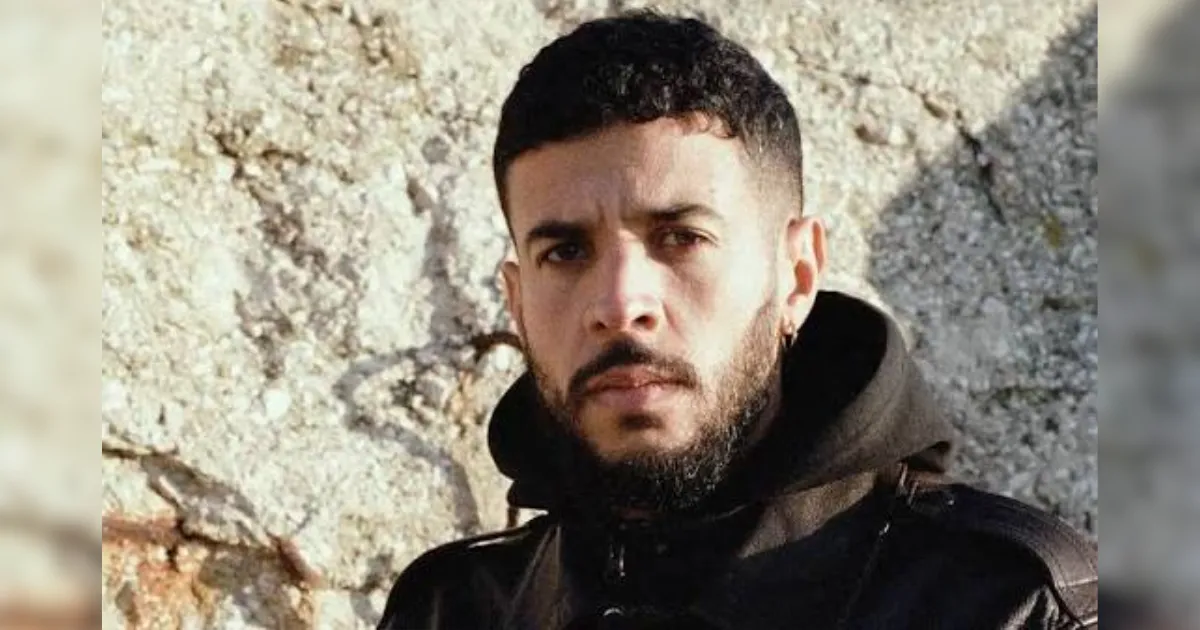
El Mahdi Lyoubi Arrested in Morocco
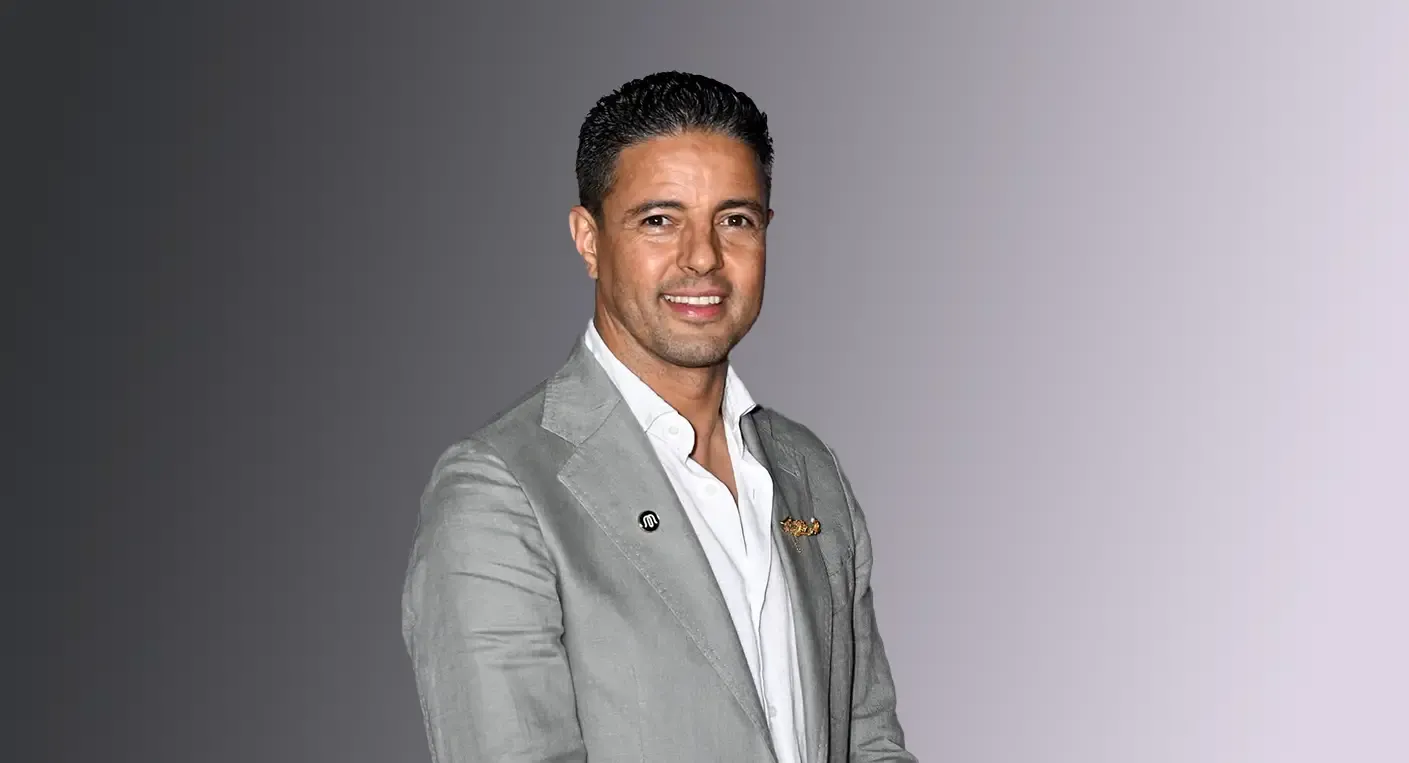
On July 13, El Mahdi Lyoubi, widely known by his stage name Mehdi Black Wind, was apprehended in Casablanca, marking a significant moment in the ongoing protests led by Morocco's youth movement, GenZ 212. This movement has garnered substantial attention for advocating better healthcare, quality education for all, and an end to corruption in the country. In response to his arrest, over 500 artists from Morocco and around the world have signed a petition calling for his immediate release, emphasizing the cultural and social impact of his work.
Context of the Arrest and its Implications
Lyoubi's arrest has raised serious concerns regarding freedom of expression and the treatment of dissenters in Morocco. He had returned to the country to scout locations for an upcoming documentary when he was detained. This young artist, who has lived in France for over a decade, has become a voice for the GenZ 212 movement, which erupted following the tragic deaths of eight women due to a lack of medical resources during childbirth at a hospital in Agadir. This incident ignited widespread outrage among the youth, many of whom have adopted Lyoubi's music as anthems against Western capitalism and its influence on Moroccan society.
The police response to the protests has been harsh, with reports of violence against demonstrators, including instances where police vehicles were used to suppress crowds. Lyoubi’s detention seems to reflect a broader pattern of repression against those who challenge the status quo. His current situation, where he has reportedly been held incommunicado without access to legal counsel, raises critical questions about judicial fairness in Morocco.
As the international community watches closely, the upcoming court hearing set for July 22 will be a pivotal moment for Lyoubi and the GenZ 212 movement. Activists and supporters are rallying behind him, emphasizing the importance of standing in solidarity with those who strive for social justice and reform in Morocco. This case is not just about one individual; it represents a larger struggle for the rights of the youth and freedom of expression in the country.
As reported by humanite.fr.