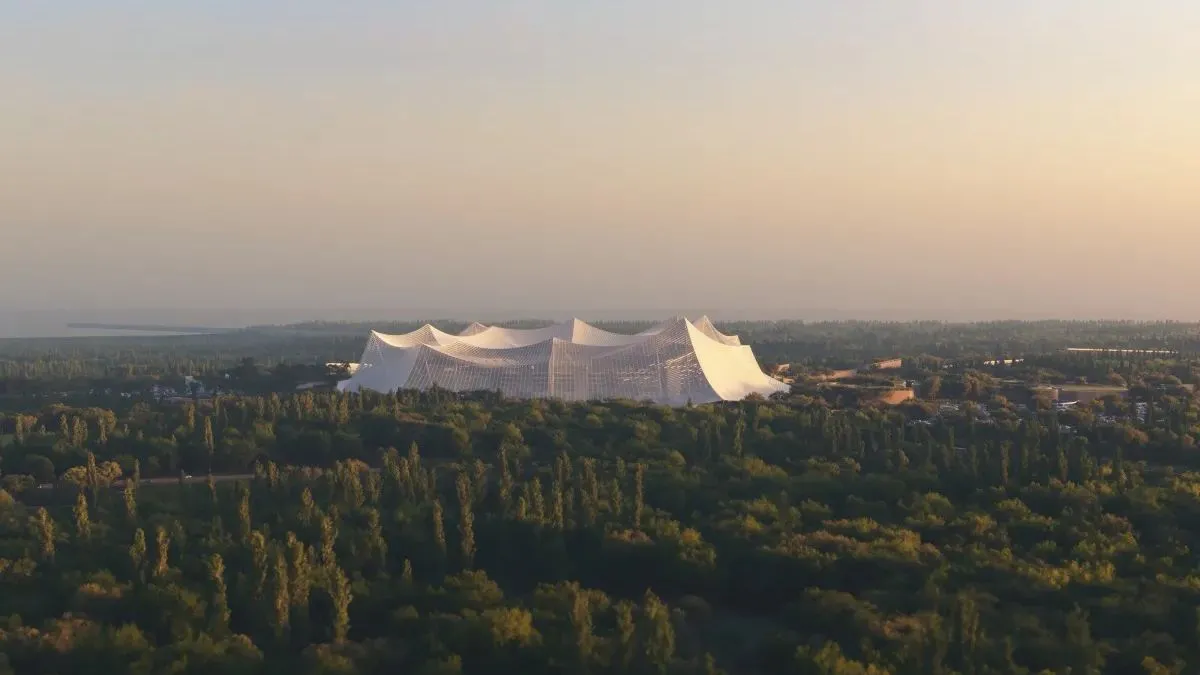
The Ambitious Vision for FIFA World Cup 2030
The FIFA World Cup 2030 marks a historic milestone in the realm of football, as it will be hosted by three nations across two continents: Morocco, Portugal, and Spain. Among these nations, Morocco is determined to make a lasting impression by constructing the world's largest football stadium, the Grand Stade Hassan II, which will accommodate an impressive 115,000 spectators. This ambitious project aims not only to serve as a venue for the prestigious tournament but also to stand as a global icon, reminiscent of other legendary stadiums such as Maracanã in Brazil and Wembley in London, which have become cultural symbols of pride and national spirit.
Design and Features of the Grand Stade Hassan II
Designed by the acclaimed architectural firms Oualalou + Choi and Populous, the Grand Stade Hassan II is more than just a monumental edifice; it embodies Morocco's aspirations to join the ranks of iconic sports venues around the world. As the first World Cup to span three continents, this stadium will play a pivotal role in the event, adhering to FIFA regulations and equipped to host the final match. Spanning 100 hectares in El Mansouria, the stadium will be surrounded by lush landscapes, providing a natural buffer against the urban sprawl of nearby Casablanca. This strategic location allows for ample space to accommodate various facilities, including extensive parking areas, training facilities, and entertainment spaces tailored for fans before and after matches.
One of the most striking features of the Grand Stade Hassan II is its tent-like roof, inspired by traditional Moroccan festivals known as _moussem_. This design not only pays homage to cultural heritage but also serves a practical purpose by mitigating heat and providing natural ventilation, crucial for the comfort of spectators and players alike, especially in Morocco's hot summer climate. The stadium's entrance will feature monumental openings leading into botanical gardens, which offer shaded areas for visitors, contributing to the overall environmental design by reducing the urban heat island effect often associated with large developments.
The seating design within the stadium further exemplifies its innovative and practical approach, featuring three steep and compact tiers at each end, with a total capacity for 29,500 spectators in the general admission area. The main stands will include five levels of VIP seating for 12,000 guests, incorporating a royal box that reflects the stadium's significance to Morocco's national identity. The seating arrangement has been meticulously crafted to ensure excellent visibility from all angles, allowing every fan to enjoy a spectacular view of the action on the pitch.
The cultural inspiration behind the stadium's design is deeply rooted in Moroccan traditions, as explained by Tarik Oualalou of Oualalou + Choi. The design draws from ancient and primordial themes, integrating the concepts of the _moussem_, the tent, and the garden, as well as the diverse landscapes of Morocco. This design philosophy results in a space that is generous, open to the world, and respectful of nature. Following the World Cup, the Grand Stade Hassan II is set to transition into a vibrant community center and home to two local football clubs, ensuring its legacy and impact will endure long after the international event concludes.
As reported by admagazine.com.