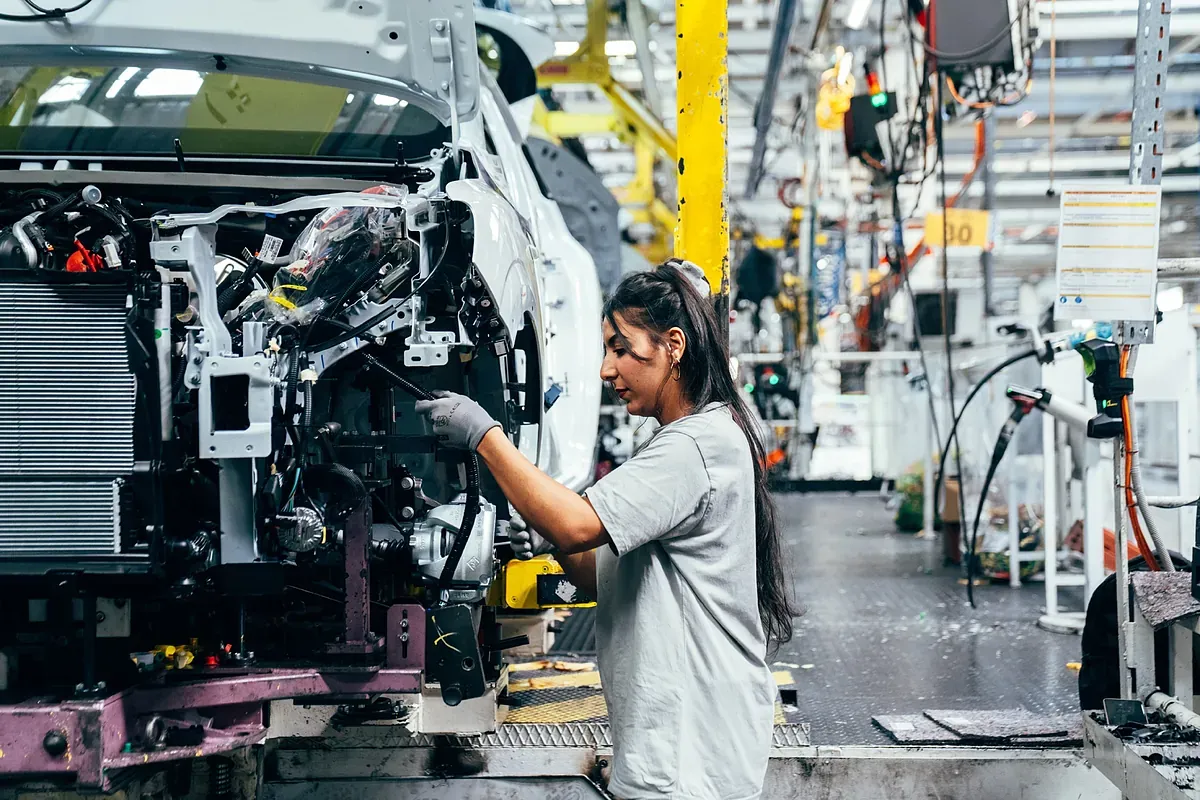
The French automotive manufacturer Renault is making significant strides in reducing its environmental impact through innovative strategies aimed at sustainability. By utilizing biomass derived from olive stones and used pallets, Renault generates thermal energy at its plant located in Tangier, Morocco. This initiative is part of a broader commitment shared by automotive companies worldwide to enhance their ecological footprint. Renault has implemented various measures, including the **reuse of materials, refurbishment of used vehicles**, and the incorporation of biomass energy into its production facilities, showcasing its dedication to sustainable practices.
Since the establishment of its **Tangier plant** in 2012, Renault has designed this facility with a focus on minimizing emissions and embracing cutting-edge innovations. This Moroccan center has emerged as a benchmark in Renault's industrial decarbonization efforts. With a commercial presence in 114 countries and operations spanning 25 factories, five design centers, and 14 research and development facilities, Renault is on a path towards achieving carbon neutrality in Europe by 2024 and globally by 2050.
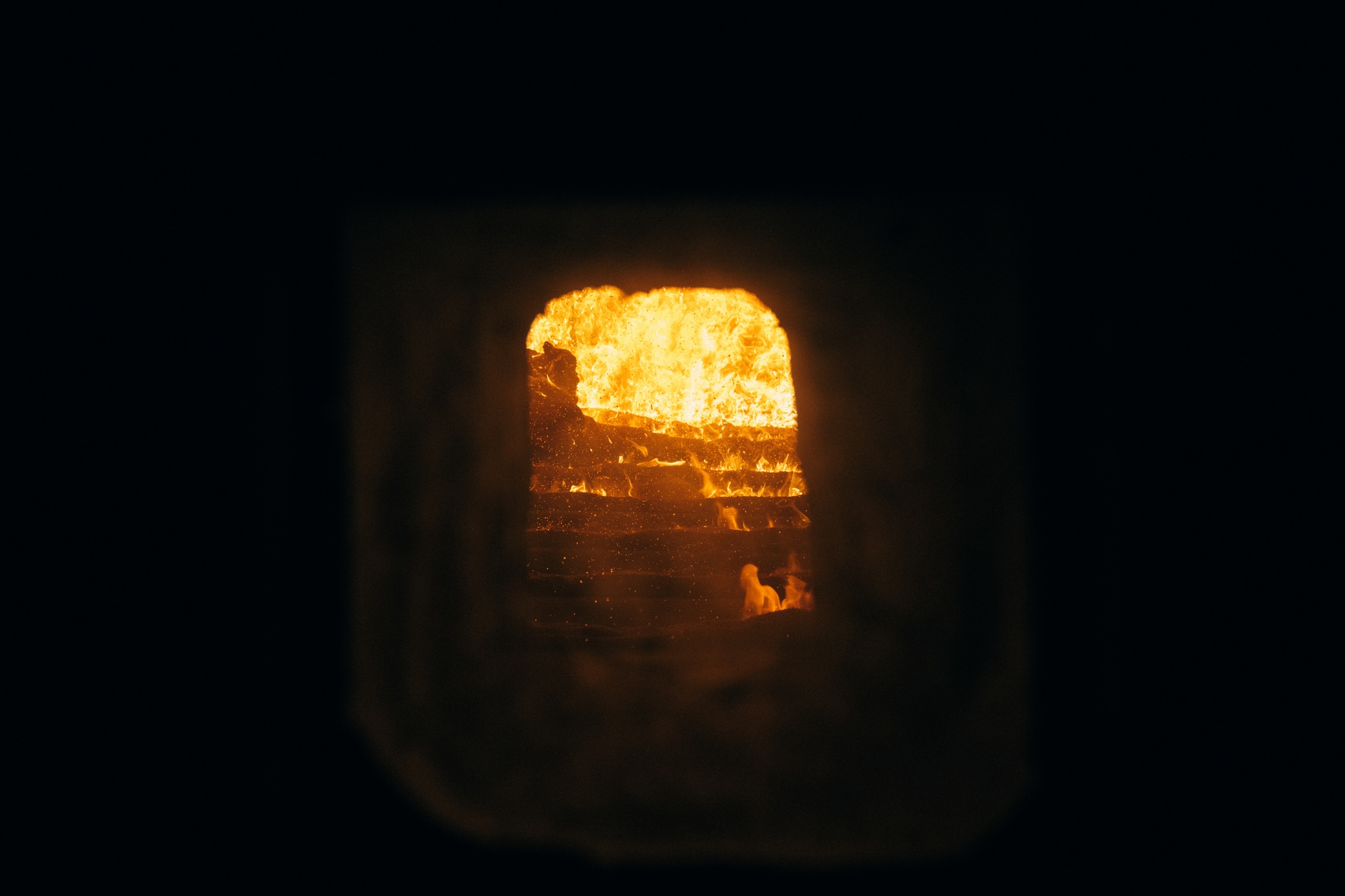
The Tangier plant stands out as the first facility within Renault's group designed specifically to reduce its environmental footprint. It effectively combines renewable energy sources with efficient processes and **effective resource and raw material management**. Currently, approximately 90% of the plant's energy needs are fulfilled through renewable sources, integrating biomass with locally sourced raw materials and electricity generated from wind energy. Notably, all electricity utilized by the plant comes from wind power, while thermal energy requirements are met through its biomass facility.
The Power of Olive Waste
This African factory employs a system of three biomass boilers developed by **Veolia**, which valorizes around 14,000 tons of waste annually. This innovative approach generates thermal energy sufficient to meet the demands of the painting workshop. Furthermore, Renault prioritizes **local sourcing** of the waste used in its biomass boilers, with 15% of the waste originating from olive stones, 35% from forestry wood, and the remaining 50% from used pallets. This process not only produces clean energy but also generates ash, which is repurposed and donated to local cooperatives for use as natural fertilizer, aligning with Renault's circular economy strategy.

At the Tangier facility, where the **Dacia Sandero, Jogger, and Renault Express** are manufactured, the thermal energy system helps avoid the emission of 100,000 tons of CO2 annually. Since 2021, Renault has managed to reduce energy consumption per vehicle by 39%, achieving a remarkable efficiency ratio of 0.22 megawatt-hours (MWh) per car produced. In furtherance of its **circular economy** strategy, Renault recycles 100% of the water used in its industrial processes in Tangier, saving approximately 900 cubic meters daily, which translates to an annual saving of 265,000 cubic meters. The water consumption per vehicle stands at one cubic meter, significantly lower than the global average of 1.78 cubic meters.
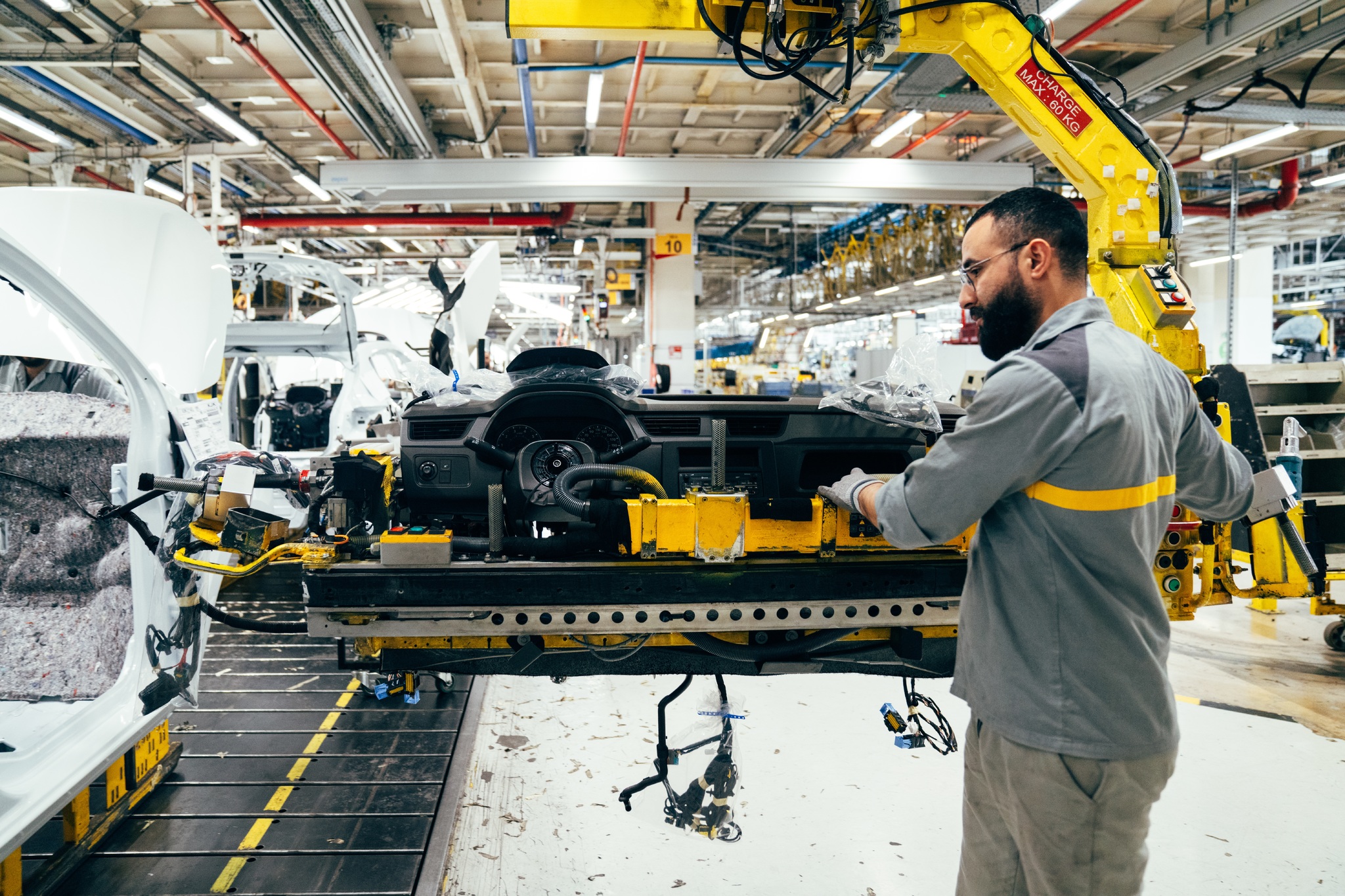
Additionally, Renault is committed to recycling scrap metal, collaborating with local partners to ensure the use of recycled scrap in the stamping process. These efforts underscore Renault's dedication to fostering a sustainable future while continuing to lead the automotive industry towards greener solutions.
As reported by expansion.com.