Enhancing Bilateral Relations between Ecuador and Morocco
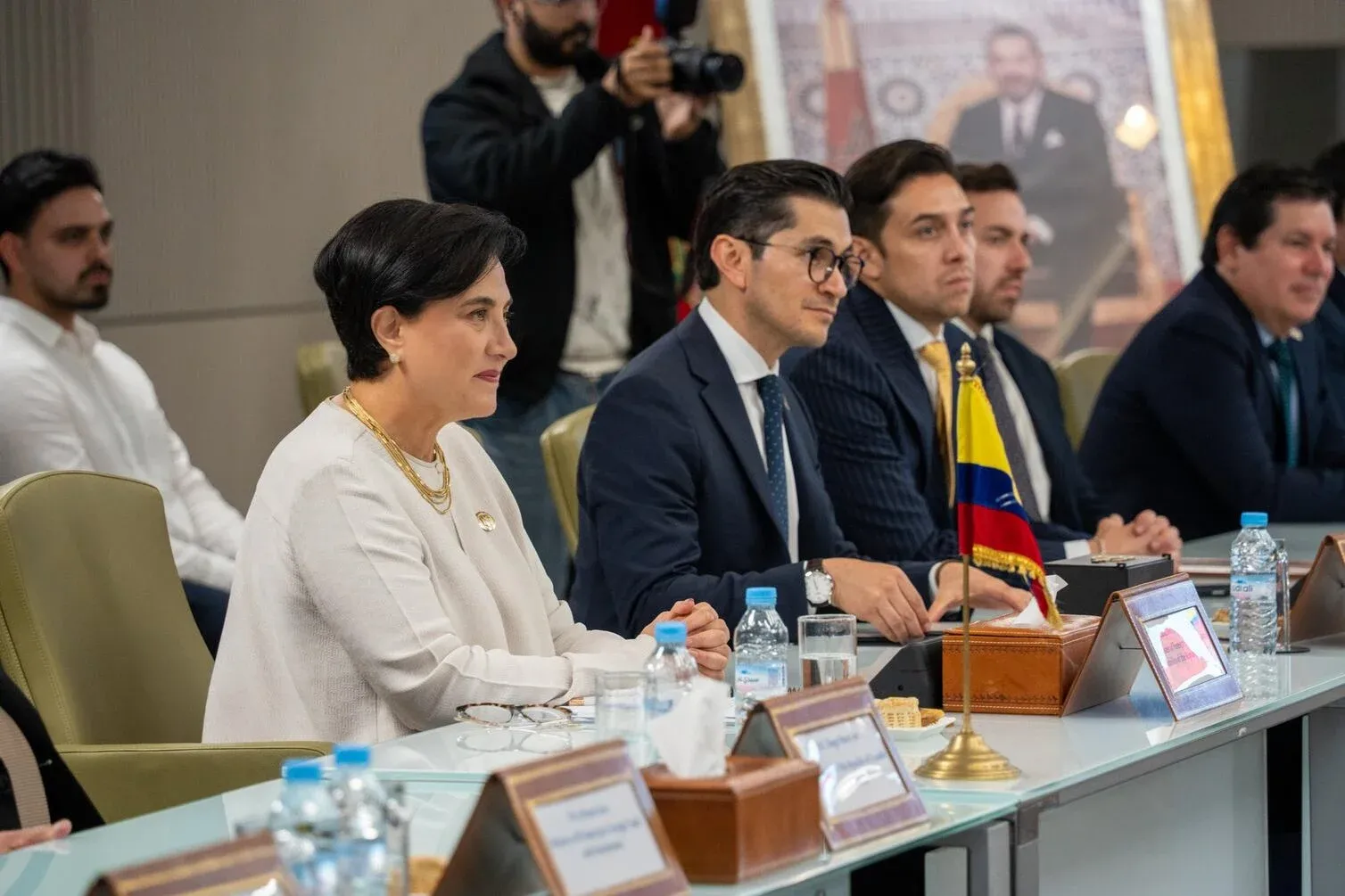
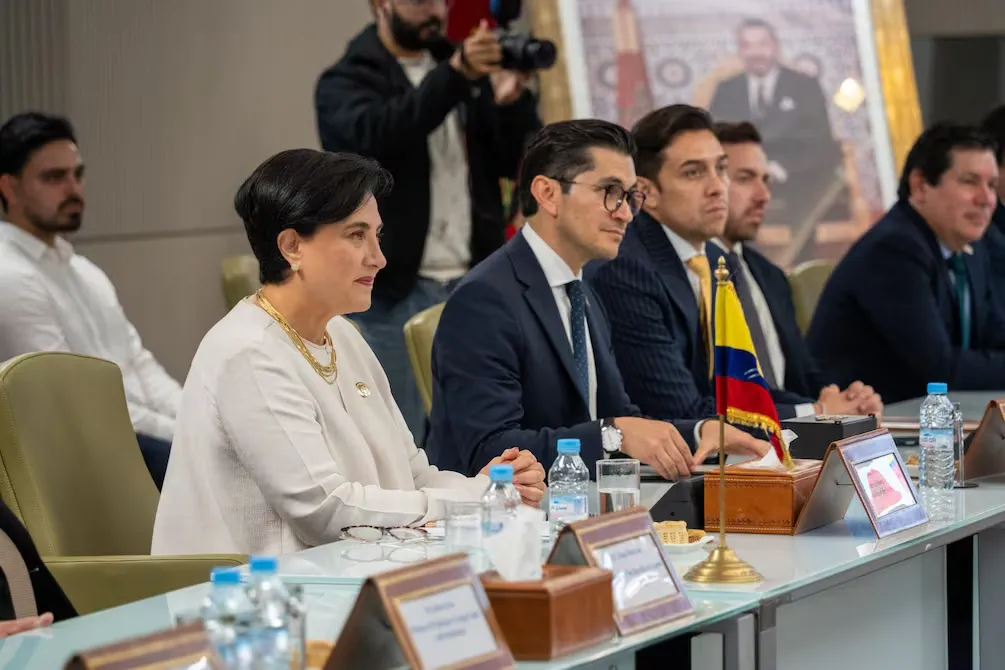
The recent official visit of Ecuadorian Foreign Minister Gabriela Sommerfeld to Morocco has led to significant advancements in the diplomatic and economic relations between the two nations. During this visit, the Ecuadorian and Moroccan governments expressed their commitment to forging agreements focused on reciprocal protection of investments and the prevention of double taxation. Additionally, they agreed to establish a mixed economic and commercial commission dedicated to overseeing these negotiations, marking a pivotal step towards strengthening their cooperation.
Last week, Sommerfeld engaged in discussions with her Moroccan counterpart, Nasser Bourita, where both leaders emphasized the positive dynamic currently characterizing their bilateral relations. They reaffirmed their mutual desire to elevate these ties to a higher level, reflecting a shared vision for enhanced collaboration between Ecuador and Morocco.
Strategic Economic Collaborations and Opportunities
In a related dialogue, Sommerfeld conversed with Moroccan Minister of Foreign Trade, Ryad Mezzour, regarding a commercial memorandum of understanding that is nearing its final approval. The importance of Morocco as a strategic gateway to African markets was underscored during these discussions, highlighting the potential for Ecuadorian products to gain a foothold in this burgeoning market.
Among the key topics addressed was the prospective establishment of a Moroccan embassy in Quito, alongside plans for opening an Ecuadorian commercial office in Morocco to serve the Maghreb region, which includes Morocco, Algeria, Tunisia, Libya, and Mauritania. This initiative aims to enhance trade relations and facilitate business opportunities in North Africa.
Accompanying the official delegation was a group of Ecuadorian entrepreneurs who participated in various activities with their Moroccan counterparts, including workshops, meetings with local authorities, and a visit to the Tanger port, which is recognized as one of the fifteen most significant ports worldwide. This engagement is expected to foster robust business connections and collaborative ventures between the two countries.
Xavier Rosero Carrillo, Executive President of the Ecuadorian Federation of Exporters (Fedexpor), remarked, "This meeting marks a milestone for both Ecuador and Morocco as we lay the groundwork for a long-term relationship built on shared growth and complementarity." He highlighted the potential for Ecuador to serve as a strategic entry point to Latin America, while Morocco acts as a crucial platform towards Africa. This dual perspective offers considerable opportunities for companies in both nations to expand their global reach, diversify operations, and create resilient value chains in an increasingly interconnected international landscape.
According to Fedexpor's data, in 2025, non-oil trade between Morocco and Ecuador achieved a favorable balance of $48 million, with exports surpassing imports. Specifically, Ecuador’s exports reached $56 million, representing a 34% increase compared to 2024. Morocco currently ranks as the thirty-third largest market for Ecuador's non-oil exports, which include over ten key products such as shrimp, bananas, palm hearts, fisheries, crustaceans, and flowers. Notably, 99% of non-oil exports are concentrated in five primary products.
On the other hand, non-oil imports from Morocco saw a decline of 13% in 2025, with clothing, knitwear, mechanical machinery, cosmetics, and fertilizers among the main imported products, which collectively represent 80% of non-oil imports from Morocco.
As reported by eluniverso.com.