Growing Scrutiny on Moroccan Agricultural Exports
In an era where food safety standards are rapidly evolving and human health is prioritized over profit, the journey from fields to consumer tables is no longer a mere commercial route; rather, it has morphed into a rigorous test of international trust. At the center of this fraught landscape lies the contentious issue of Moroccan agricultural products, which has recently gained traction following a series of rejection and seizure decisions made by Russia and several European nations. This alarming trend reflects a growing concern regarding the quality and safety of these products.
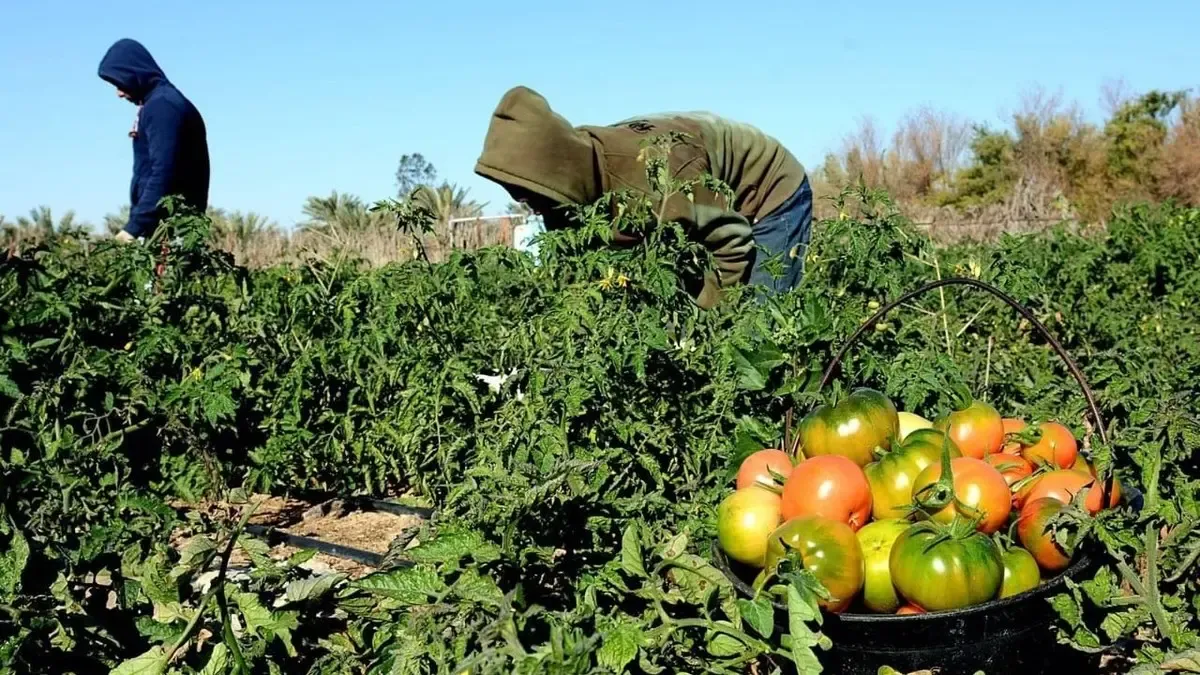
The saga began in the inspection ports and transit warehouses, where authorities in the Russian exclave of Kaliningrad announced the seizure and destruction of significant quantities of tomatoes imported from Morocco after tests revealed contamination by a dangerous plant virus known as the Pepino mosaic virus. This virus, which affects agricultural crops, compromises their quality and productivity, signaling a troubling indicator of the fragility of the agricultural monitoring system in a country heavily reliant on exporting its agricultural goods. Investigations revealed that the suspicious shipment raised red flags among inspectors from the outset due to abnormal indicators, culminating in laboratory analyses confirming its unsuitability for consumption. Consequently, approximately 1.2 tons of tomatoes were destroyed in accordance with legal protocols, aiming to mitigate any potential risks and prevent contaminated products from entering the market.
The issue, however, did not remain confined to Russian borders. Across the continent, warnings intensified in France and other European nations, where experts sounded the alarm over what they termed the "heavy chemical load" carried by certain Moroccan fruits and vegetables. These concerns were not unfounded but arose from recurrent reports of the intensive use of chemicals in agriculture, some of which are classified as hazardous or internationally banned substances. In this context, stark political and economic positions emerged, including statements from French MP Benoit Biteau, who characterized the situation as a "health scandal" comparable to the asbestos crisis, highlighting one of the most severe health emergencies linked to toxic materials in modern history. This comparison was not merely rhetorical exaggeration, but a reflection of the genuine anxiety surrounding the source of these products.
Long-Term Health Risks and the Call for Regulatory Reform
Among the most contentious issues is the presence of cadmium, a substance classified as carcinogenic by the World Health Organization since 1993. This element, which can infiltrate the food chain through phosphate fertilizers, raises significant long-term health concerns. The French Agency for Food, Environmental and Occupational Health & Safety has warned of its association with various types of cancer, including pancreas, bladder, and prostate cancers, placing the issue within a framework that transcends mere trade to represent a direct threat to public health.
Scientific reports have been equally severe, with one study indicating that a substantial number of farmers in Morocco engage in what can be described as "chemical haphazard" agricultural practices, utilizing pesticides and fertilizers without strict adherence to technical standards, thereby increasing the likelihood of contaminating final products. This reality raises profound questions about the agricultural guidance and advisory framework and the capacity of relevant institutions to enforce effective oversight that ensures production safety. Domestically, these developments have provoked responses, with some media voices labeling the official silence regarding these accusations as a form of complicity, holding authorities accountable for what they deem a "health debacle" threatening consumers both within and outside the country.
Nonetheless, the mere existence of doubts, even if partial or debatable, is sufficient to inflict severe damage on the reputation of any product in the international market. Trust, built over years, can collapse in moments if a particular country is associated with unsafe products. In a world governed by stringent standards and complex supply chains, there is no room for repeated mistakes or regulatory gaps. The ongoing crisis presents Morocco with a genuine test, not only to prove the safety of its products but also to rebuild trust with its trading partners. This requires a comprehensive review of agricultural policies, strengthening monitoring mechanisms, and intensifying training for farmers to ensure compliance with international standards and to avoid any practices that could harm the sector's reputation.
Ultimately, this issue has transcended mere rejected shipments or destroyed tons; it has evolved into a strategic dossier impacting both food and health security. Between the producing fields, the receiving ports, and the consuming markets, the most crucial truth remains that food safety is not an option but an absolute necessity that cannot be compromised in a world where consumers are increasingly aware, and countries are more stringent, with markets showing less tolerance for risks.
As reported by akhbarelwatane.dz.