Extraordinary Regularization of Migrants: A Divisive Measure
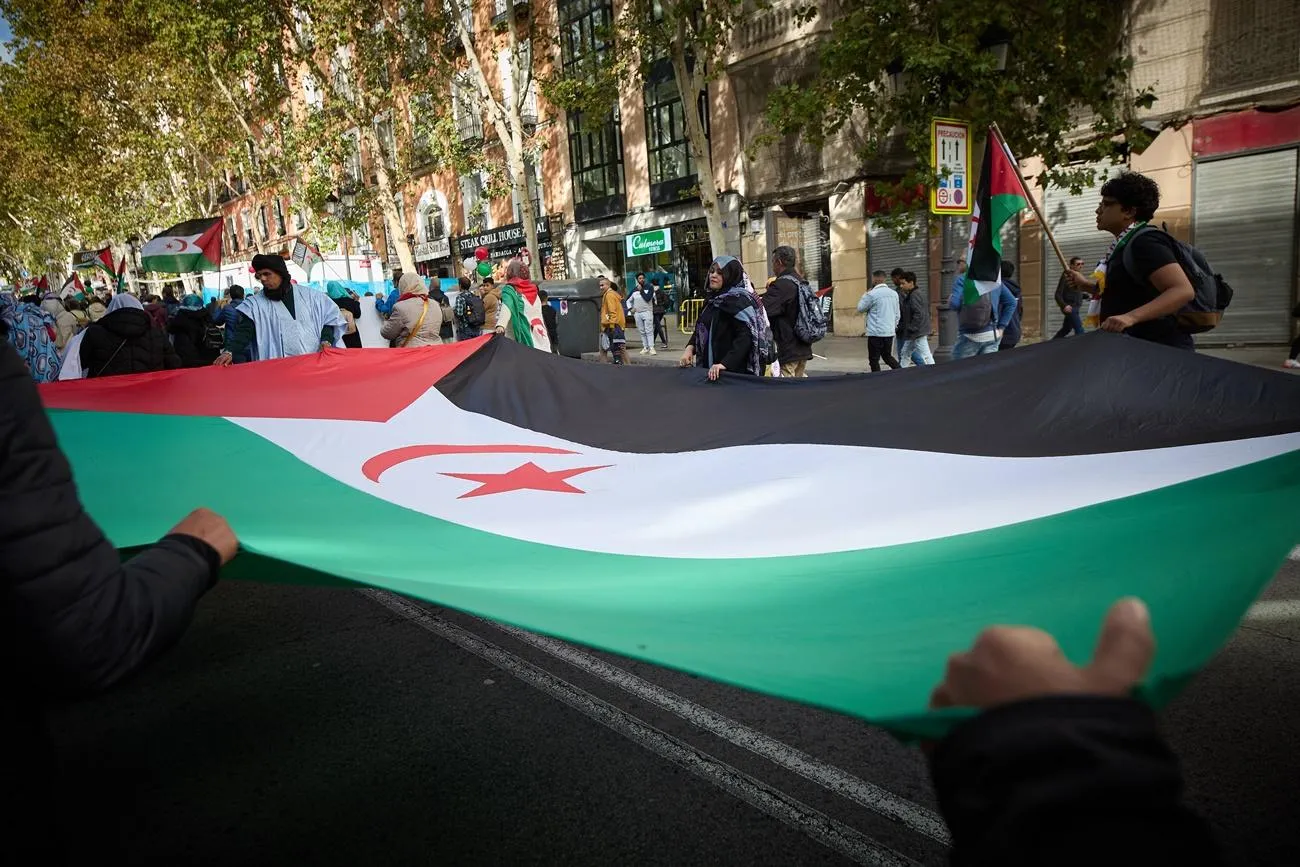
The extraordinary regularization of migrants has become a significant talking point for the central government in Spain, yet it has inadvertently created a rift within the parliamentary majority. This division is not so much about the scope of the measure or the expected confrontations with right-wing factions—which were anticipated from the outset—but rather stems from the fact that the regularization process does not consider stateless individuals, effectively excluding a considerable portion of the Sahrawi community residing in Spain. Political groups such as Sumar and the BNG have taken the lead in criticizing this oversight, directly accusing the socialist wing of the government of endorsing a solution that favors Morocco.
The decree approved by the Council of Ministers, now published in the Official State Gazette, allows irregular migrants who have been living in Spain to apply for temporary residency and work permits. The government estimates that this initiative could benefit hundreds of thousands of individuals; however, a significant drawback is that it does not accommodate stateless persons, a legal status that many Sahrawis fall under. The Minister of Inclusion, Social Security, and Migration, Elma Saiz, summarized the official stance by stating that stateless individuals are not considered irregular and that Spain has a specific protection statute for them. Yet, this explanation has failed to placate the concerns from the left of the PSOE.
The Sahrawi Community's Plight and Political Backlash
The situation has raised alarms particularly within Sumar, the BNG, and the movement advocating for the Sahrawi people. Deputy Tesh Sidi swiftly condemned the exclusion, labeling it a “tailored policy against the Sahrawis,” and even linked it to pressures from Rabat. While the government does reference a specific protection statute for stateless individuals, the resolution of cases can extend over several years, leaving many in bureaucratic limbo without stable work permits and lacking the protections that others under the regularization umbrella will receive.
Pedro Sánchez, the President of the Government, altered Spain's position on the Western Sahara issue in 2022, endorsing Morocco's autonomy plan while neglecting Spain's historical obligations to the region, which was a Spanish province until 1976. This shift in discourse has been perceived as a betrayal by the Sahrawis, particularly now that they are excluded from the regularization process. In an interview with ElPlural.com, Sidi expressed that the current exclusion exacerbates a longstanding wound that Spain has yet to address. Saiz argues that the situation for stateless individuals is adequately managed through existing protections, while Sidi counters that these protections do little more than prevent expulsion from Spain, lacking any additional guarantees and representing a “bureaucratic hell” for those seeking to navigate the process, as she has witnessed firsthand through her own family’s experiences.
She advocates for immediate equality in rights for Sahrawis, suggesting they should be granted the same rights as asylum seekers, who receive immediate Green Cards and can work shortly after arriving in Spain. This approach, she argues, is essential while the historical issue of the Sahara remains unresolved. Sidi is critical of Spain's position, perceiving it as a pivot towards Morocco at the expense of Sahrawi rights. Abdulah Arabi, the Polisario Front's representative in Spain, echoed these sentiments, asserting that the government's decision is politically motivated rather than technical. He and Sidi both frame this exclusion within the broader context of Spain's evolving diplomatic stance regarding its colonial past in the Sahara, lamenting that such decisions reflect Morocco's excessive influence over Spanish foreign policy.
Sidi emphasizes that the UN continues to recognize Spain as the de jure occupying power, thereby establishing an ongoing obligation that Spain cannot simply shed. She extends her criticisms to the PSOE regarding the Sahrawi nationality law, a proposal from Sumar that would recognize the nationality of Sahrawis who were Spanish before 1976 and their descendants. Although this proposal has majority support in Congress and was accepted for processing nine months ago, the socialists have stalled its progress in the Justice Commission. The BNG has also voiced its concerns, demanding that the government include Sahrawis in the extraordinary regularization process. Néstor Rego, the only BNG representative in Congress, has filed urgent requests for the government to amend Royal Decree 316/2026 to facilitate regularization for stateless individuals, primarily Sahrawis. The Galician nationalists believe that while the government's regulation is a positive step for many, the exclusion of stateless individuals leaves one of the most vulnerable groups without support. Rego argues that it is unjust and discriminatory for the government to claim that stateless applicants are in a regular situation when, in practice, they lack access to basic rights and work opportunities until their cases are resolved.
As reported by elplural.com.