
The Struggles of Fnideq After the Ceuta Migrant Influx
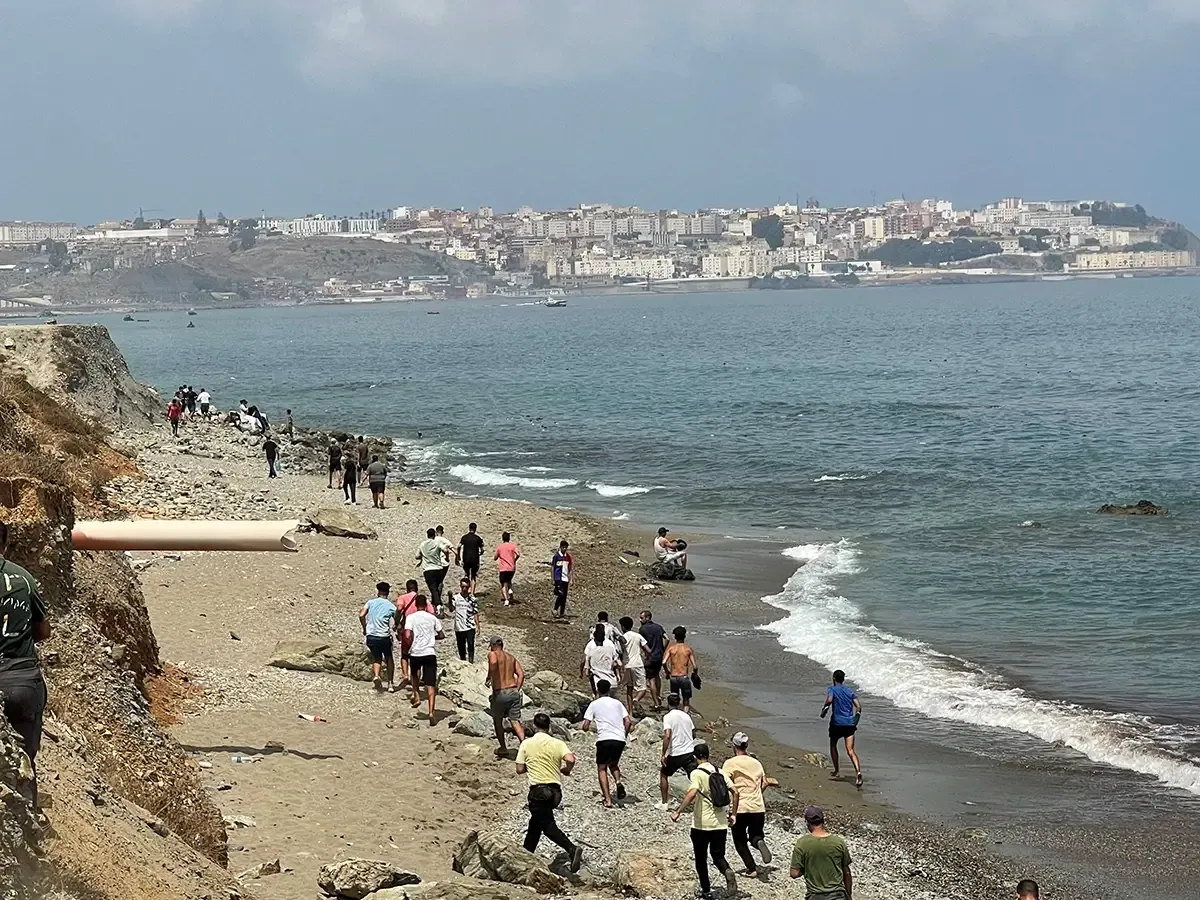
As the situation in Ceuta begins to stabilize following a massive influx of migrants, the neighboring town of Fnideq finds itself grappling with the aftermath. Exhausted individuals are returning to the place where their perilous journey commenced, revealing the stark realities of a community in crisis. The air is filled with the piercing sound of ambulance sirens, the authoritative shouts of police officers, and the anguished cries of young men, all underscored by the acrid smell of burnt vehicles and makeshift sanitation facilities. Fnideq, typically a tranquil beachside town with views of Ceuta, has transformed into a scene of heightened tension, featuring barricades along the beaches and the omnipresence of armed National Security forces.
The Harrowing Tales of Migrants
Amidst this turmoil, 25-year-old Hamza finds himself in a precarious situation, being ordered by police to vacate the beach. However, he remains resolute in his determination to stay, viewing Fnideq as a vital springboard to a better life. Just days earlier, he attempted to swim from Fnideq to Ceuta once again, only to be met with violence from both Spanish soldiers and Moroccan police upon his arrival. The young man recounts, "I was forced to swim back. My tattered pants are still damp from the ocean. I lost my phone in the water, and my knees and elbows are scraped, but I will keep trying to swim to Ceuta, despite the barriers and checkpoints." Hamza’s meager earnings from the textile industry leave much to be desired, yet his dream of a life in Europe persists. He laments, "It is increasingly difficult for those who have made it to Ceuta and for those still here. The police aim to clear Fnideq so that we don’t even attempt to cross over to Ceuta."
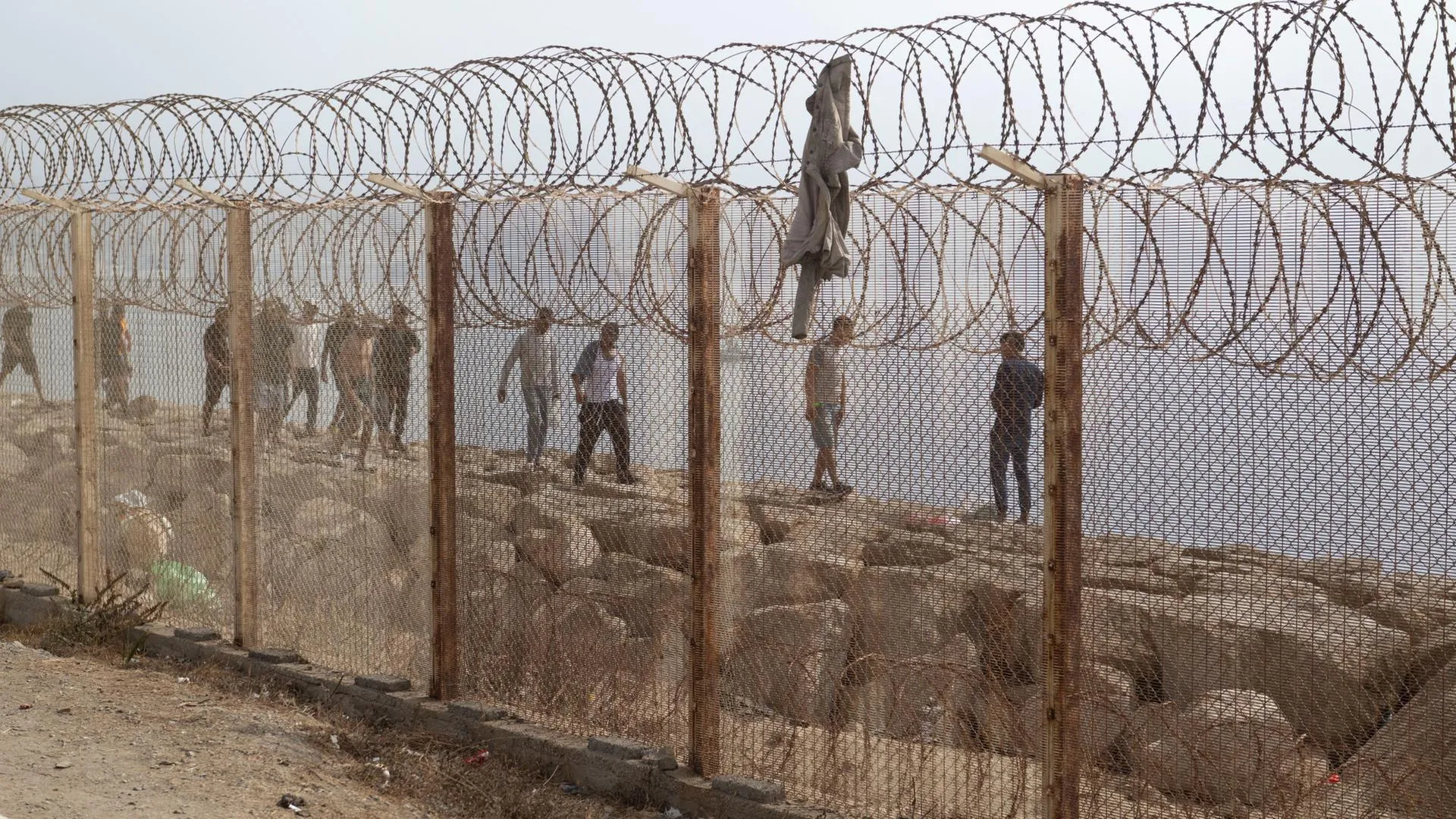
The frustrations are palpable in Ceuta, where both locals and migrants express their anger and disappointment. Many young men returning from Ceuta share harrowing stories of being chased, threatened with weapons, and denied food, leaving them hungry and desperate. As they climb the cliffs behind the barbed-wire fence, remnants of clothes left on the beach serve as stark reminders of those who tragically lost their lives attempting to cross. The return of Moroccan nationals, following their failed attempts to enter the EU, reveals a grim reality as they board buses destined for their hometowns.
One young woman, Hajine from Fès, reflects on her near-fatal experience, grateful to be alive but vowing never to attempt such a dangerous journey again. She describes her ordeal of sleeping on the streets and the hardships faced during her attempt to reach Ceuta. Having believed the false promises circulated on social media that Ceuta was open to all, she now finds herself back in Fnideq, where she feels marginalized and deprived of basic necessities. "We were treated like stray cats. There was nothing to eat, and all the shops were closed," she recalls, her voice heavy with emotion.
In the aftermath, groups of young men huddle in the few shaded areas of Fnideq, displaying signs of exhaustion and despair. Even those with money struggle to find sustenance, as many cafes and restaurants remain shuttered out of fear of looting by the starving crowds. Others enforce strict entry rules, turning away young men. The limited service they can offer is further hampered by staff who have joined the exodus to Ceuta, leaving behind empty establishments.
According to migration expert Beatriz Masa, the recent events in Fnideq are unprecedented. "Everyone dropped everything when they heard that Ceuta was accessible. Hoteliers, waiters, chefs, bakers, truck drivers, and taxi drivers all flocked to the border," she explains. While many have made their way back home, it is anticipated that buses will transport others wishing to return, likely organized by the Ministry of Interior. However, there has been no official response from Moroccan authorities regarding the tragic surge toward Ceuta.
Experts agree that this crisis was exacerbated by a political rift between Spain and Morocco, primarily centered around the contentious issue of Western Sahara. Masa notes, "This crisis mirrors and surpasses the tensions of 2021, leading to a larger mobilization of over 50,000 people." The economic and humanitarian ramifications of this crisis are far from resolved, and as summer tourists cancel their plans to visit Fnideq, local businesses feel the repercussions. The political landscape remains uncertain as a special session of the European Union's interior ministers is planned to address a cohesive stance toward Morocco in the hopes of preventing future tragedies like those witnessed this summer.
As reported by tagesschau.de.