The Transformation of Morocco into an Electric Vehicle Manufacturing Center
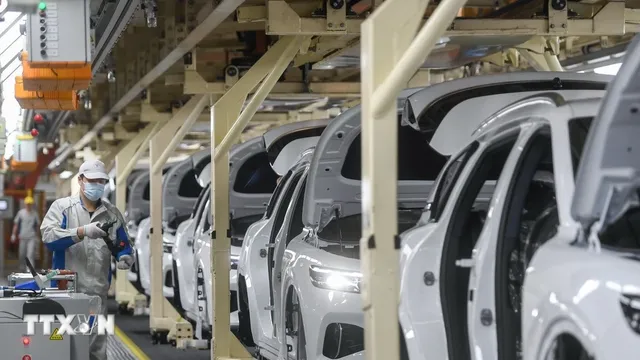
The increasing influx of Chinese investments into Morocco is playing a pivotal role in transforming this North African nation into a significant hub for electric vehicle manufacturing. This shift is not only bolstering Morocco's industrial landscape but also intensifying competition with the European Union (EU) within the global electric vehicle supply chain. Post the COVID-19 pandemic, reports indicate that Chinese firms have pledged around $6 billion to develop a comprehensive electric vehicle manufacturing ecosystem in Morocco. This ambitious initiative encompasses the establishment of battery factories, automotive components, and specialized industrial parks, all aimed at fostering a robust infrastructure for electric vehicle production.
At the Tanger Tech industrial park, located near the city of Tangier, a multitude of Chinese companies are actively engaged in projects focused on the production of tires, braking systems, and battery components. One of the most significant developments includes a large-scale battery manufacturing plant currently under construction along the Atlantic coastline, with an investment of $1.3 billion. By the end of this year, Morocco aims to establish a complete supply chain capable of providing components for approximately 500,000 electric vehicles annually, marking a substantial leap forward in its industrial capabilities.
EU Concerns and Morocco's Compliance with Trade Regulations
The burgeoning presence of Chinese enterprises in Morocco has caught the attention of European policymakers. Following the imposition of additional tariffs of up to 45% on electric vehicles imported from China, there are concerns that Morocco could serve as a gateway for Chinese electric vehicle products to enter the European market at preferential prices. Some EU officials speculate that components manufactured in China might undergo limited processing in Morocco before being exported to Europe under existing free trade agreements.
Nevertheless, Moroccan authorities have firmly refuted these assertions. They maintain that all companies operating within Morocco are required to adhere strictly to origin regulations. Consequently, products can only qualify for preferential tariffs if they fully comply with the criteria concerning the percentage of value added generated within the country. Currently, Morocco boasts numerous advantages for attracting foreign investment, including a corporate tax exemption policy for the first five years, a youthful labor force, competitive production costs, and abundant renewable energy resources. Furthermore, the country has established free trade agreements with both the EU and the United States.
Analysts suggest that the EU is grappling with a challenging dilemma in balancing the protection of its domestic industries while maintaining existing supply chains. Numerous European automotive groups, including Renault and Stellantis, are currently operating large production facilities in Morocco and rely heavily on the supply network that the country offers. Experts believe that Morocco is solidifying its position as a strategic link in the global electric vehicle industry, where China's ambitions to expand production intersect with the EU's efforts to safeguard its industrial interests.
As reported by vietnam.vn.