
Catalonia's Railway Crisis and Morocco's World Cup Aspirations
The ongoing issues with the Rodalies commuter train service in Catalonia have unexpectedly strengthened Morocco's argument to host the final of the 2030 FIFA World Cup. As reported by Rue 20, the breakdown of Barcelona's transportation network presents a stark contrast to Morocco's ambitious infrastructure modernization, which is well underway in preparation for the global sporting event.
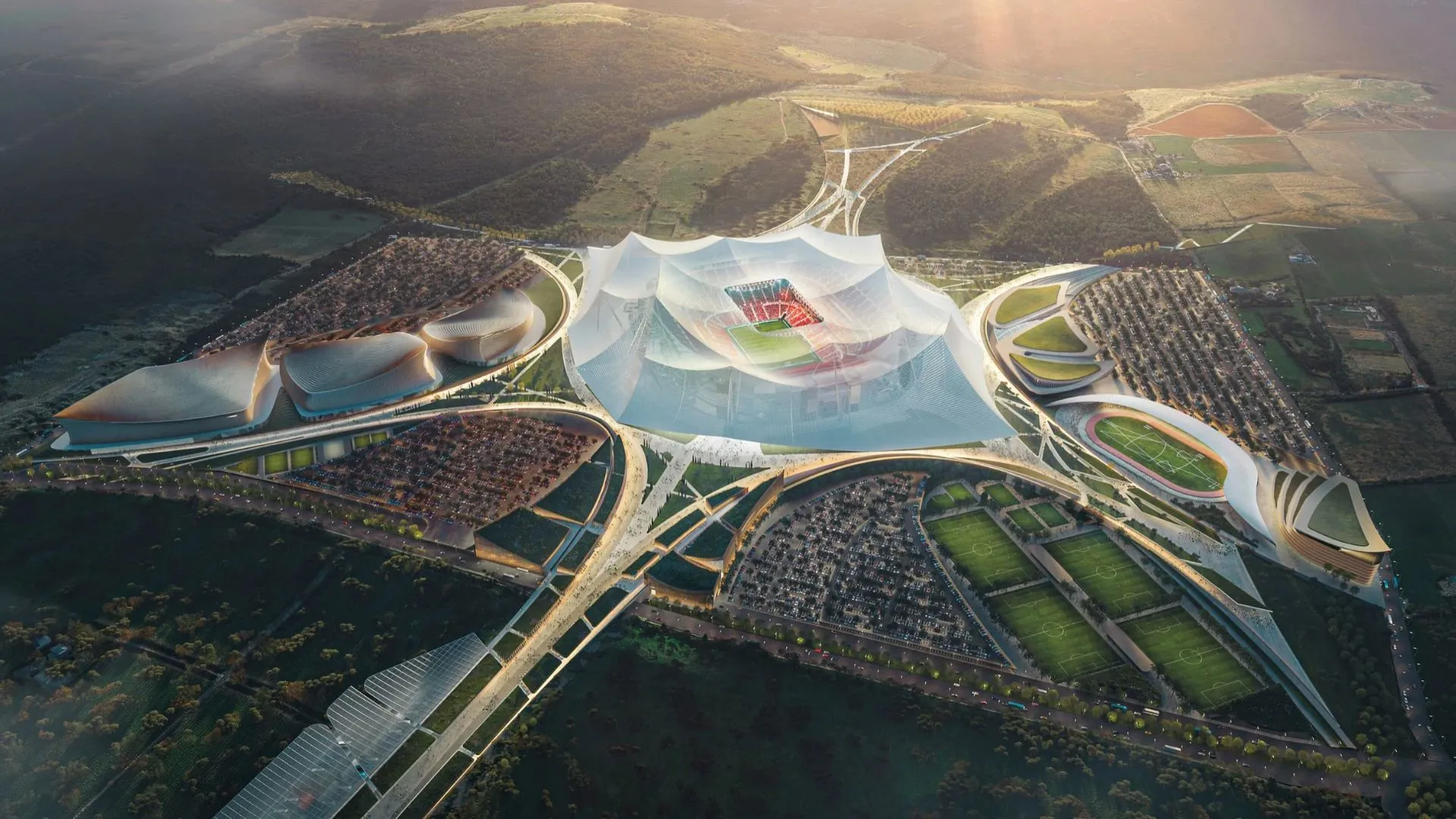
In recent days, reports have surfaced highlighting the refusal of train operators to work, leading to significant disruptions in service across multiple lines, which have been described as experiencing a "crisis" and "paralysis." This turmoil has made it increasingly difficult for Barcelona to present itself as a viable candidate for hosting the final match. In stark contrast, Morocco is advancing with plans for modernizing its railway system and constructing a massive stadium, the Grand Stade Hassan II, capable of accommodating up to 115,000 spectators, which would make it the largest in the world.
Morocco’s Strategic Advantages
Morocco's case for hosting the World Cup final is bolstered not only by its infrastructure projects but also by a well-developed logistical network. The country boasts the high-speed Kenitra-Marrakech line, the strategically significant Tangier Med port, and a substantial investment plan of 96 billion dirhams aimed at upgrading its national railway system. These developments position Morocco as a strong contender against Barcelona, particularly as it addresses issues like rail safety and reliability.
The recent incidents of copper theft within the Rodalies network, which resulted in numerous delays, further underscore the challenges faced by Catalonia. Meanwhile, Morocco’s Office National des Chemins de Fer (ONCF) is implementing a comprehensive railway security plan that includes deploying 6,000 cameras and utilizing artificial intelligence to enhance traveler management and reduce incidents by 60% by 2030.
Ultimately, the decision regarding the final's location lies with FIFA, but as Morocco highlights the shortcomings of Barcelona's transportation system, it emphasizes its own preparedness and stability. This dynamic is crucial as the world looks towards the 2030 World Cup, where Morocco positions itself as "the most solid option for an event that demands absolute guarantees." In summary, the chaos within Catalonia's rail system raises questions about Barcelona's ability to host such a prestigious event in the face of Morocco's strategic advancements.
As reported by libertaddigital.com.