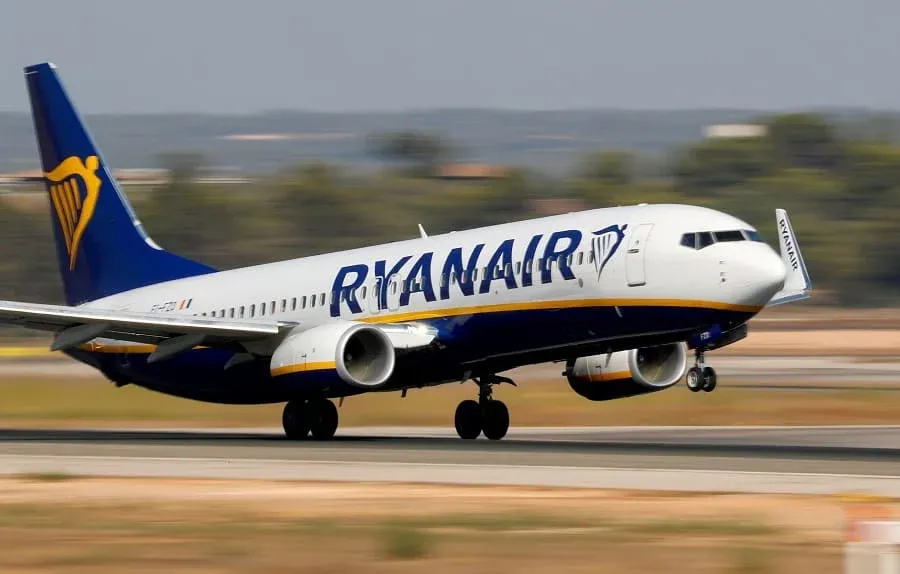
This past weekend, Marseille Provence Airport witnessed a significant incident that sparked debate over air travel organization and passenger flow management, as 83 passengers were barred from boarding their Ryanair flight to Morocco. According to journalist Christophe Giltay, who reported on the situation during his segment "Things Are Better Elsewhere" on Bel RTL, travelers heading to Marrakech encountered severe congestion at the airport's border control checkpoint on Saturday evening, which ultimately disrupted the boarding procedures.
The situation escalated when some passengers expressed their frustration by attempting to approach the airport runway, vividly illustrating the level of tension surrounding the incident. Despite the chaos, the flight eventually took off, albeit with a considerable delay. Initially scheduled to depart at 10:30 PM, it finally left at 1:30 AM, with a few passengers managing to board at the last moment.
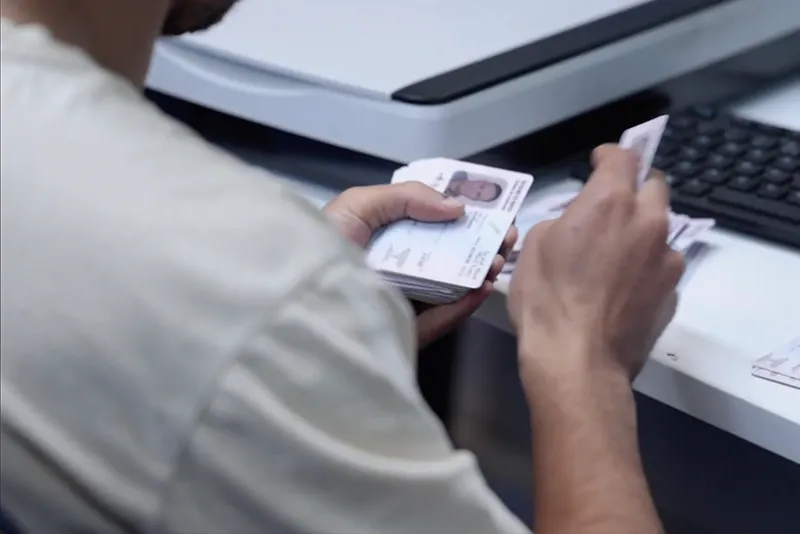
Reports indicate that the confusion stemmed from a shortage of personnel at the security checkpoints, as only two customs officers were available to handle inspections, resulting in long queues and organizational bottlenecks within the airport. Observers believe this incident reflects the increasing pressures faced by European airports amid what is described as economic constraints that have impacted the number of staff responsible for security and inspection processes, juxtaposed with a significant rise in low-cost travel.
Air travel, once considered a luxury activity, has become accessible to a broader segment of travelers, especially with the rise of low-cost airlines like Ryanair. This shift has led to a considerable increase in passenger numbers without a corresponding enhancement in human resources and organizational infrastructure.
In this context, experts point out that the growing reliance on digital procedures and pre-registration has contributed to the complexity of the travel experience for some passengers, particularly on short or family trips, such as those between France and Morocco, where not all travelers adhere fully to pre-flight procedures. Some argue that this model may be suitable for long and complicated journeys but creates organizational friction in quicker trips, often leading to congestion and delays, as witnessed at Marseille Provence Airport.
This incident reignites the discussion about the future of air travel compared to other modes of transportation, such as trains or cars, particularly for short distances within Europe. While some believe that enhancing operational efficiency within airports is the key solution, others contend that there is a need to rethink the travel model itself to keep pace with rapid economic and organizational transformations.
As reported by belg24.com.