
The Human Tragedy in Ceuta: A Call for Action
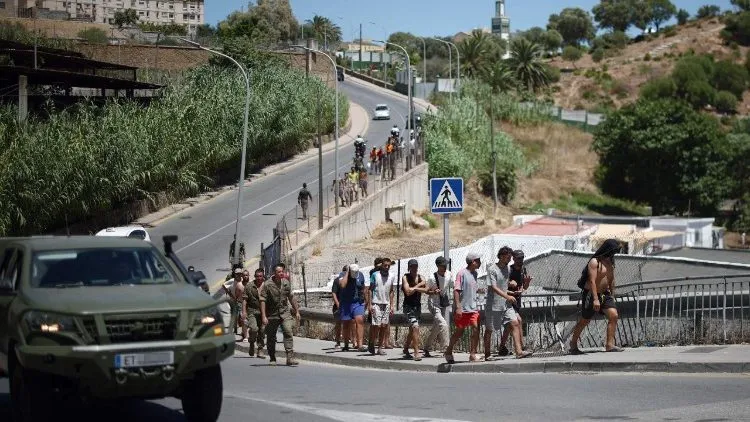
The recent mass border crossings into Ceuta, a small Spanish enclave located in North Africa, have sparked a significant humanitarian crisis, drawing attention and condemnation from various leaders and officials. Following the tragic loss of over 90 lives during these perilous crossings, accusations have surfaced that Morocco played a role in exacerbating the situation. Juan Jesús Vivas, the conservative leader of Ceuta, characterized the events as an assault on Spain’s territorial integrity, suggesting that Morocco either orchestrated or at least permitted the influx of migrants. This situation has led to a surge of political tensions within the European Union, as member countries grapple with the implications of such a crisis.
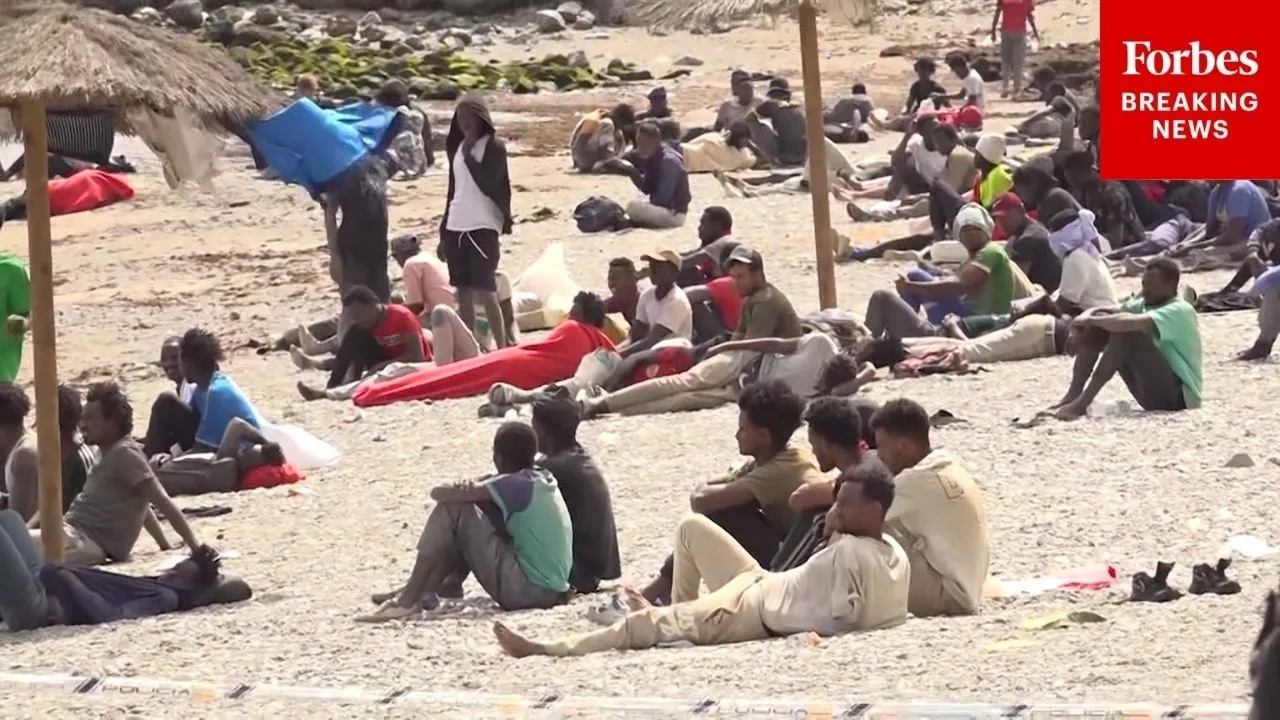
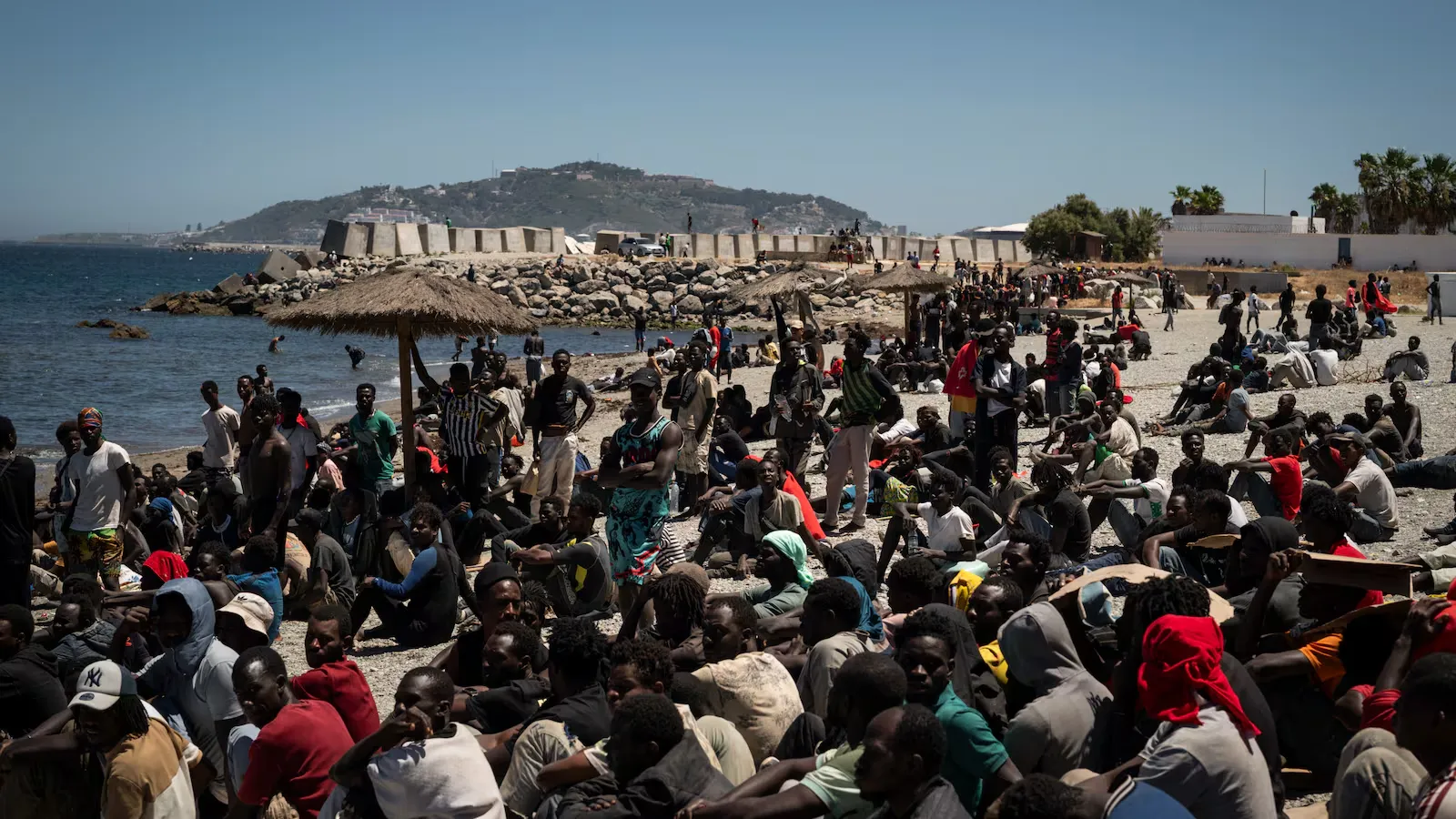
In the aftermath of this tragedy, Spanish authorities reported that approximately 69,500 migrants had arrived in Ceuta, with many having since returned to Morocco. However, around 2,500 individuals remain stranded in the enclave, which has a population of just 84,000, creating a strain on local resources and services. The enormity of this crisis has prompted calls for stronger border regulations within the EU, as leaders seek to prevent similar occurrences in the future. Ursula von der Leyen, the President of the European Commission, underscored the need for reinforced borders to ensure the safety and security of EU nations.
Political Ramifications and Future Considerations
The situation in Ceuta is a stark reminder of the ongoing challenges faced by European nations regarding migration and border control. The influx of migrants, many of whom are fleeing dire circumstances in their home countries, has reignited debates about the responsibility of neighboring nations and the EU as a whole in managing humanitarian crises. The local government has called for immediate assistance and a comprehensive strategy to address both the immediate needs of those affected and the underlying issues that drive migration.
As the situation unfolds, it is crucial for policymakers to consider the humanitarian implications while balancing national security concerns. The tragic loss of life and the plight of those seeking refuge highlight the urgent need for collaborative efforts to address the root causes of migration and to establish humane and effective border policies that respect human rights. The current crisis in Ceuta serves as a critical juncture for the EU to reassess its approach to migration and border management.
As reported by irishtimes.com.