
New Initiative to Assist Migrants in Ceuta
The Spanish government, led by Minister Ángel Víctor Torres, has announced a comprehensive new operation in Ceuta aimed at relocating migrants from the streets into designated triage and identification facilities. This initiative is a collaborative effort involving the Ministry of Territorial Policy, the Government Delegation in Ceuta, and the Ministry of Inclusion, Social Security, and Migration, with Minister Elma Saiz playing a crucial role. In a recent video statement, Torres emphasized the urgency of the situation, highlighting the need to expedite the process of identifying and returning migrants who do not have the legal right to remain in Spain.
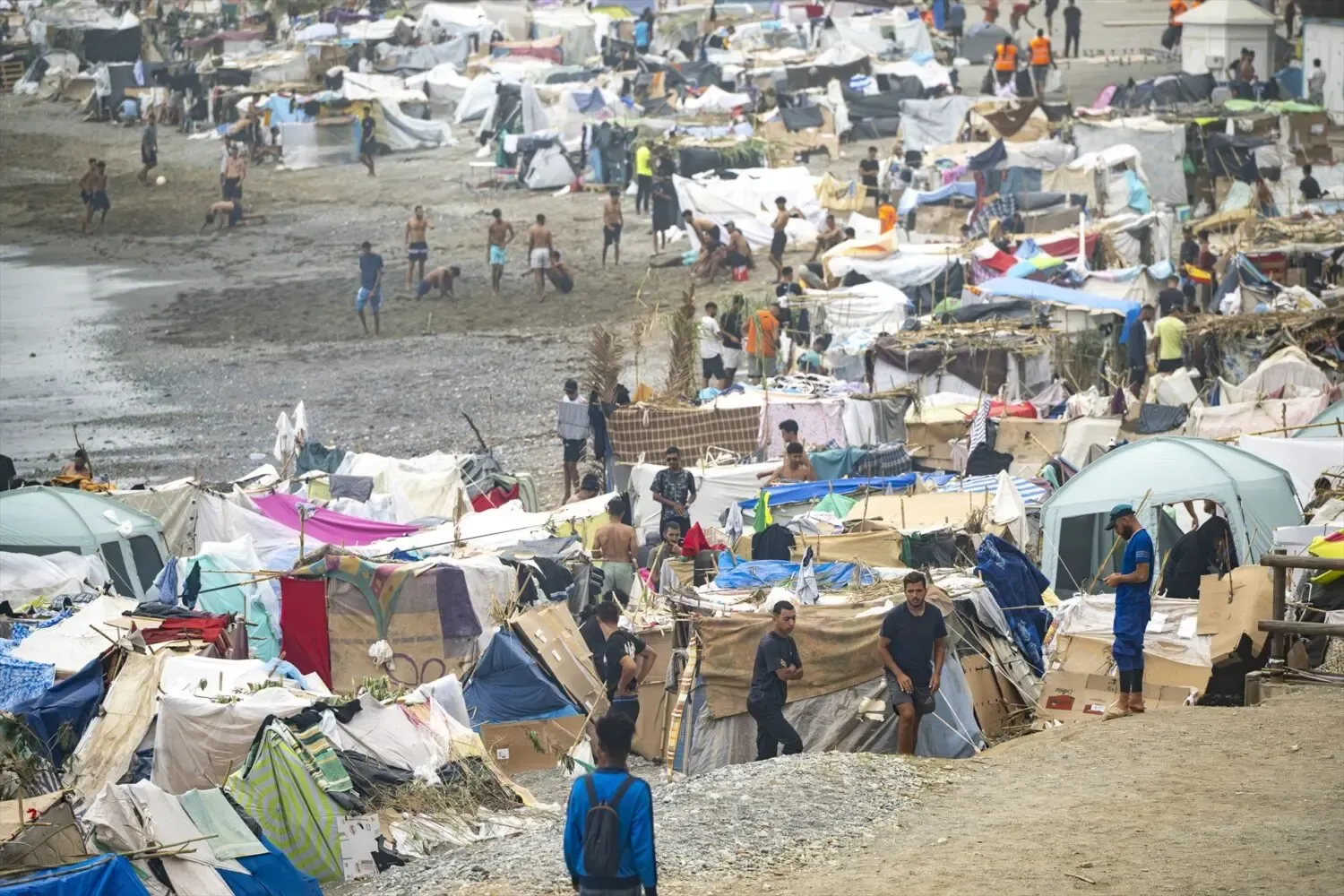
The primary goal of this new operation is to swiftly remove a significant number of migrants who have been sleeping outdoors in the autonomous city. The government has committed to transferring these individuals to facilities equipped for their care, identification, and triage. Torres underscored that the coming week would be pivotal in advancing these efforts, reflecting the administration's commitment to addressing the ongoing migrant crisis with urgency. Since mid-August, thousands of returns have already taken place, following a surge of irregular entries in late July, highlighting the critical nature of the current situation.
Operational Framework for Identification and Return
Ceuta's migrant crisis has been exacerbated by the presence of minors among those identified, totaling 1,612 at the beginning of September. The complexities surrounding the return of minors necessitate a careful and individualized approach, rather than a simple and immediate transfer. The new operation is part of previously announced humanitarian resources aimed at alleviating the humanitarian situation on the streets while ensuring compliance with legal frameworks and respect for migrant rights. Law enforcement agencies have been instructed to expedite the identification process for migrants, reflecting a concerted effort to address the pressing humanitarian needs in Ceuta.
In addition to the establishment of temporary facilities at the El Tarajal Center for the Temporary Care of Foreigners (CATE), there will also be an increase in police presence to facilitate identification. However, specifics regarding the number of available spots and the timeline for the operation's completion remain unclear. This uncertainty is particularly significant in a city with a population of less than 85,000 that shares a land border with Morocco.
Ceuta's unique institutional framework means that it does not possess the same competencies as regions with ordinary governance, placing a heavier burden on the General State Administration, especially in migration matters. The local government, led by Juan Vivas of the Popular Party, has been advocating for a stable reinforcement of resources to manage the ongoing crisis effectively. The situation reflects lessons learned from past crises, including a significant influx in 2021, which overwhelmed reception services and necessitated an improvised rapid return system. This historical context explains the government's current emphasis on preemptive identification and triage measures.
As the situation continues to evolve, the immediate projection indicates that the operation will commence promptly, moving migrants from the streets to designated centers. However, the final allocation of spaces, the pace of returns, and the integration of minor procedures within the promised timeline remain to be clarified, underscoring the complexity of the ongoing challenges faced by Ceuta in managing its border effectively.
As reported by moncloa.com.