
Political Landscape in Spain: Implications of Morocco's Statements
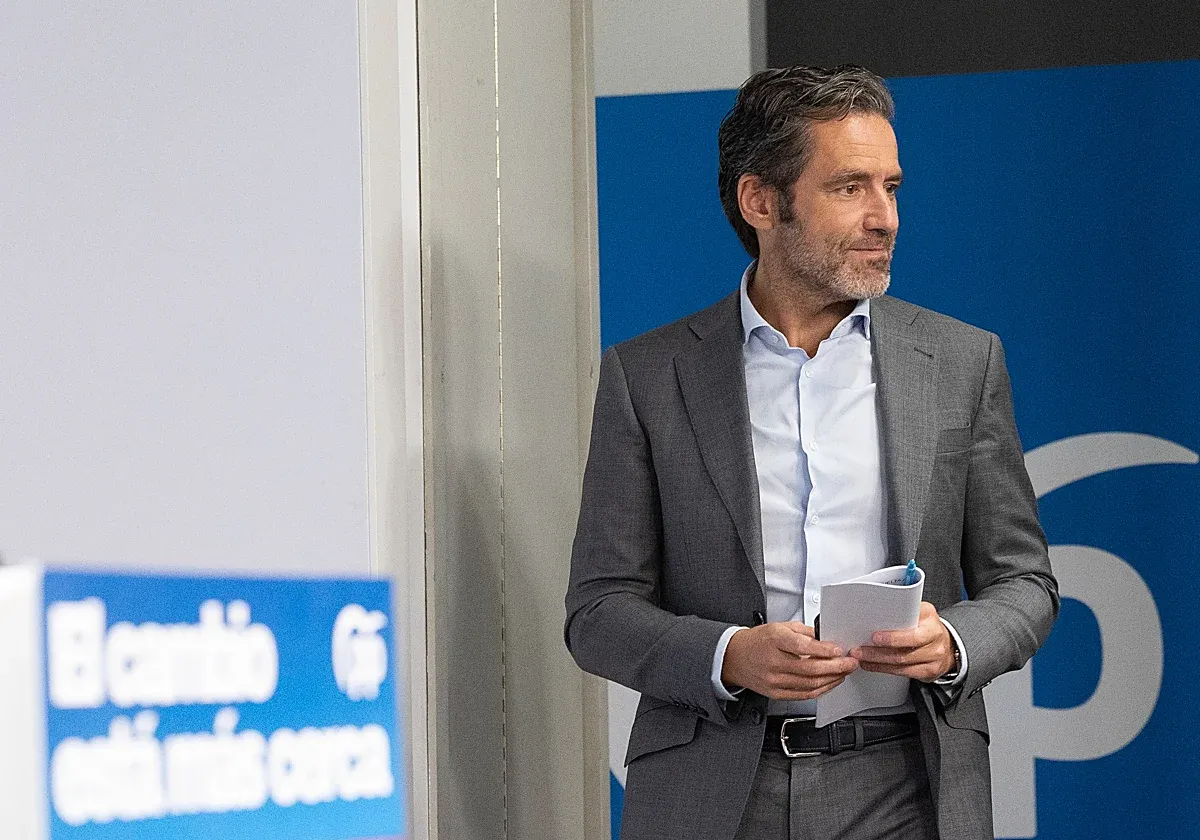
The Popular Party (PP) of Spain has been vocal about the imminent political shift in the country, especially as ongoing corruption scandals and crises like the one in Ceuta continue to plague the current government. The party firmly believes that a majority of the Spanish populace shares their sentiment for change. Recent comments from Morocco, where the neighboring country directed pointed criticisms at the PP, suggest that the Moroccan leadership also anticipates a political transformation in Spain. This notion was articulated by Borja Sémper, the national spokesperson for the PP, during a press briefing in Vigo.
Sémper remarked on the unusual nature of a foreign government addressing the opposition of another country, indicating that Morocco's government recognizes the potential for a shift in political dynamics in Spain. He stressed that the future government under the PP, led by Alberto Núñez Feijóo, would adopt a markedly different approach compared to the current administration led by Pedro Sánchez. This assertion was framed as a warning to the Moroccan regime, emphasizing that the political relations between Spain and Morocco would not remain static.
The spokesperson clarified the PP's aspiration for a cordial and collaborative relationship with Morocco, while firmly stating that the sovereignty over Ceuta and Melilla remains non-negotiable. Sémper underscored that no country, including Morocco, has the right to expect a Spanish government that is submissive to external interests, particularly regarding territorial integrity. The PP views the recent claims from Moroccan ministers regarding Spanish territories as aggressive actions that have gone unchallenged by the current government, a situation that Sémper asserts will not persist under a PP-led administration. He concluded with a strong message, asserting that Spain will maintain a position of unwavering firmness in its dealings with Morocco.
As reported by elcorreo.com.