Commemorating the Sahrawi Struggle
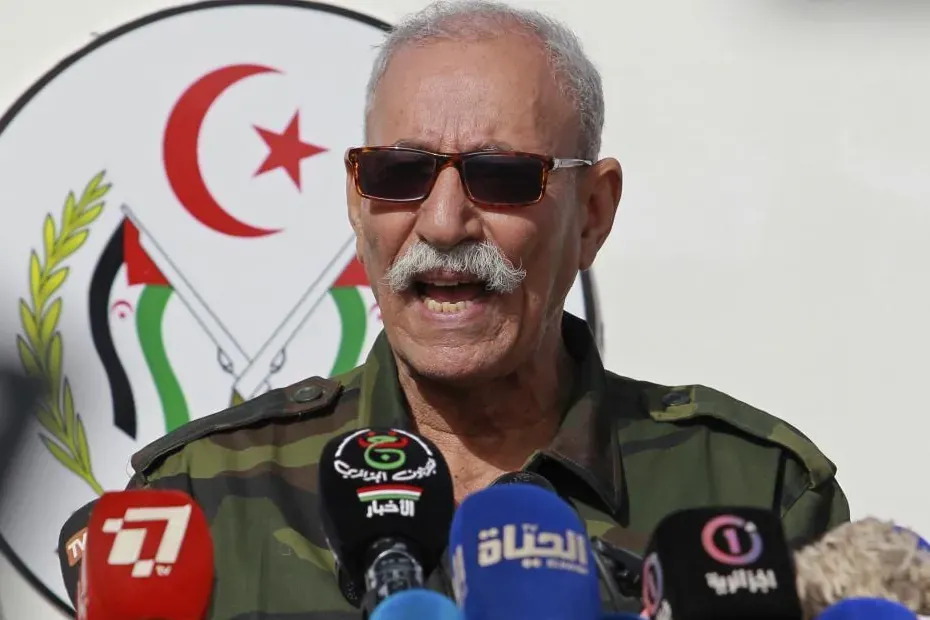
In a significant display of unity and resilience, thousands of supporters gathered in southern Western Sahara to celebrate the 50th anniversary of the Sahrawi Arab Democratic Republic (SADR). The festivities took place in the Auserd camp, where veteran soldier Batir Mohamed, who was just 14 years old during the Polisario Front's first military engagement in 1973, shared his poignant memories. Among the few survivors of that initial group was Brahim Ghali, now the president of the Polisario Front and a prominent figure in the Sahrawi liberation movement. On this momentous occasion, both men stood as symbols of the enduring spirit of the Sahrawi people, alongside their comrades and four dromedaries, as they commemorated a half-century of struggle for autonomy and recognition.
As the sun rose, the Auserd camp buzzed with activity. Dilapidated Mercedes vehicles traversed the sandy roads, transporting soldiers from liberated territories who were preparing to partake in the military parade. Among them was Hanna, a 43-year-old delivery driver from Alicante, who proudly described his role as a reservist, stating, "It is my duty to help." Similarly, Ahmed, a soldier born in 1990 with military ties, shared his personal connection to the conflict, revealing that two of his uncles had been killed by Moroccan forces. The atmosphere was charged with emotion as participants expressed their commitment to the Sahrawi cause.
Ghali's Message of Peace and Hope
At 10 a.m., Brahim Ghali addressed the crowd from a makeshift platform brimming with Spanish delegations attending the celebrations. He emphasized the importance of honoring the martyrs who have fought for the Sahrawi national cause, reminding everyone that since the proclamation of the SADR on February 27, 1976, the Sahrawis have endured a prolonged conflict with Morocco, which remains unresolved. Ghali extended a hand towards Morocco, asserting the Sahrawi republic's desire to establish constructive relations with neighboring countries, emphasizing peace and cooperation rather than conflict.
The history of Western Sahara is marked by the complexities of colonial legacies and territorial disputes. In 1975, Spain had pledged to conduct a referendum regarding the region's independence, but the subsequent Green March, backed by Morocco, led to a sudden withdrawal of Spanish forces and the occupation of 80% of Western Sahara by Morocco. As a result, many Sahrawis live in refugee camps in Algeria, facing ongoing challenges. The region is effectively divided by a fortified Moroccan defensive system known as the Wall, stretching over 2,700 kilometers. Despite the presence of United Nations peacekeeping forces, the situation remains precarious, with the Spanish government criticized for not fulfilling its decolonization obligations.
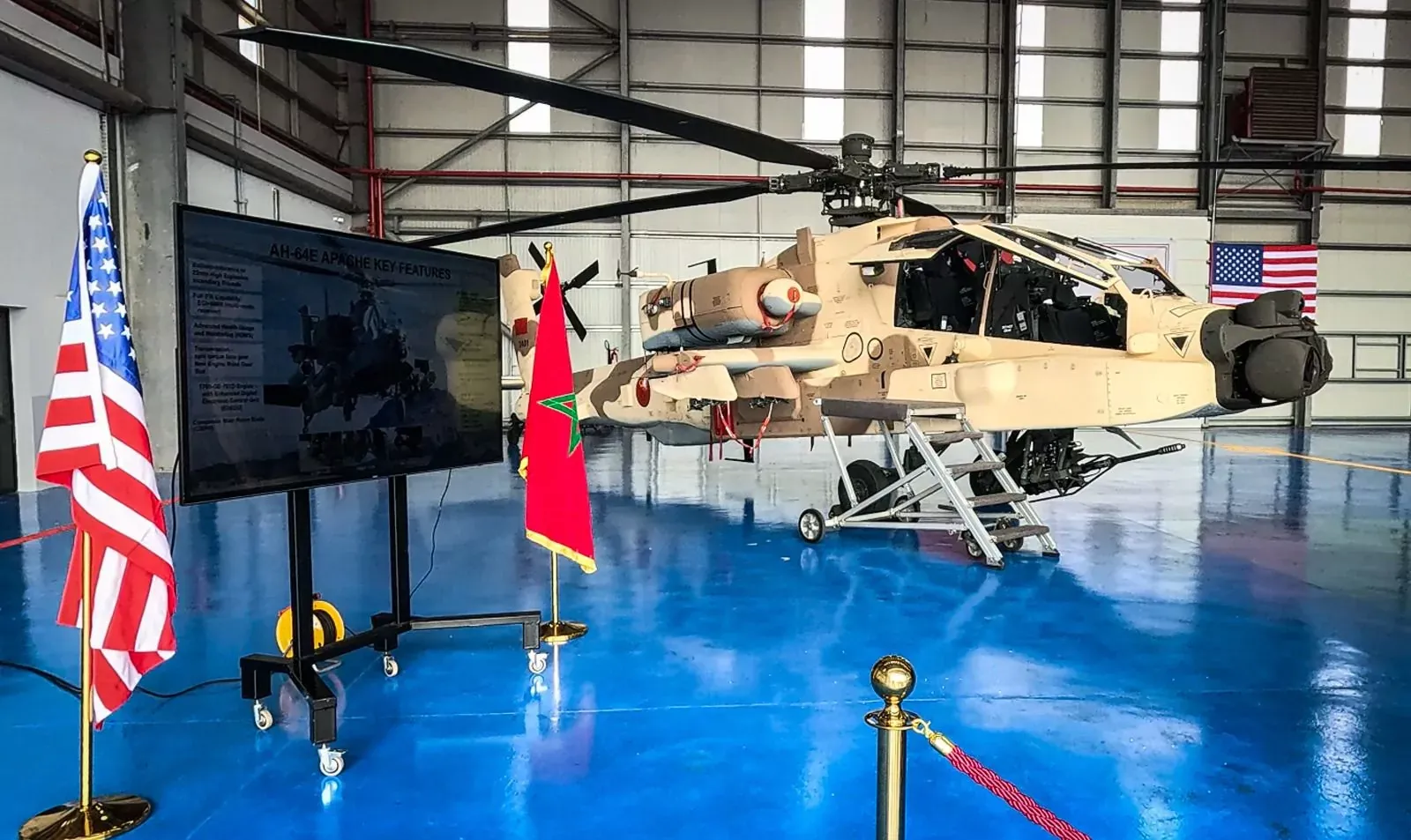
Ghali's speech was a blend of critique and optimism, highlighting the SADR's establishment as a response to colonial efforts that sought to undermine Sahrawi rights. He expressed pride in the progress made by the Sahrawi state, which has managed to assert its existence and build institutions capable of governance, even amidst occupation. While he acknowledged the challenges posed by international dynamics and the growing support for Morocco's autonomy plan from various nations, including the United States, the air at the celebration was filled with a resilient sense of hope among the attendees.
The festivities continued into the night, featuring folklore exhibitions and traditional craft fairs, all while the Sahrawi people celebrated their culture and heritage. The day was declared a holiday, marking a moment of reflection on a struggle that has persisted for five decades. As the celebrations unfolded, they served as a reminder of the enduring spirit of the Sahrawi people and their quest for self-determination, a journey that remains ongoing.
As reported by mundoamerica.com.