
Gathering at the Border: Families in Despair
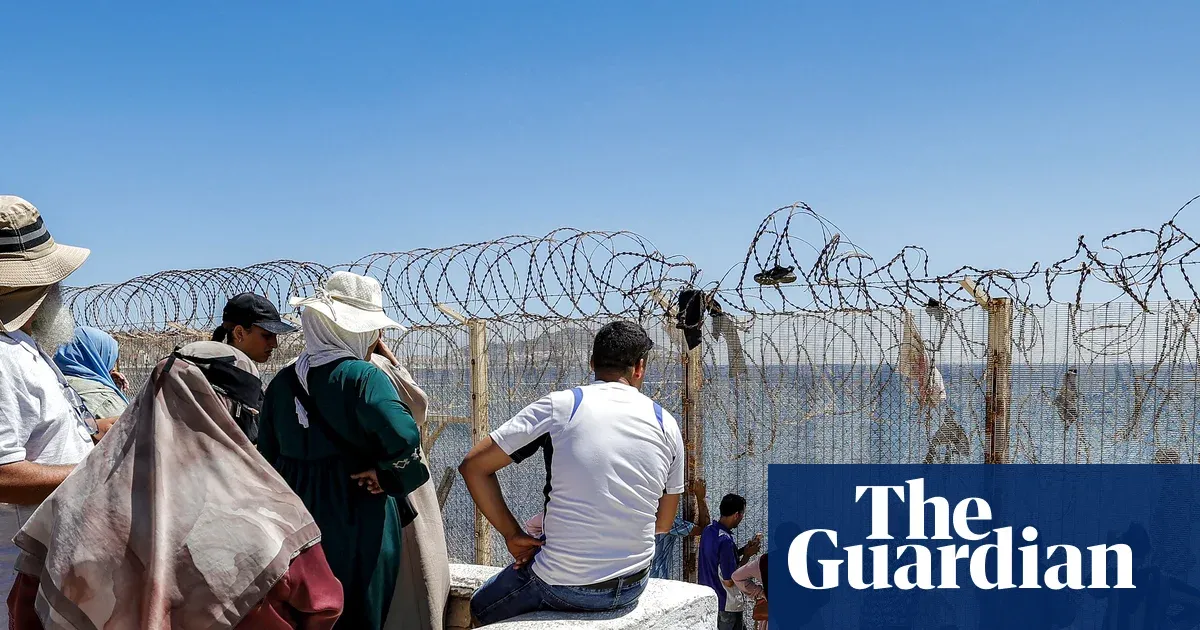
In the northern Moroccan town of Fnideq, a poignant scene unfolds as hundreds of anxious families congregate near the border with Spain's Ceuta, desperately searching for news of their missing loved ones. These individuals, clutching photographs of relatives who may have crossed into the small Spanish enclave, engage passersby in hopes of tracking them down amidst the chaos that erupted last week when approximately 72,000 people attempted to enter Ceuta. The recent mass crossing has resulted in tragic outcomes, with reports indicating that at least 88 individuals have lost their lives in Ceuta and another 11 in Morocco, while many remain unaccounted for.
Personal Stories Amidst the Crisis
Among those waiting at the border is Hadijja, a mother from Tangier who has been searching for her 23-year-old son since Saturday. With no communication from him, her heart is heavy with worry. "I haven’t had any news of him; he’s not answering his mobile phone," she laments, fearing the worst as she scans the faces of returnees. The emotional toll is palpable, as families like Hadijja's grapple with uncertainty and the stark reality of the situation. Reports suggest that the majority of those who crossed have now been returned to Morocco, with Spain's interior minister estimating that around 70,000 individuals have made the journey back home.
As the EU grapples with the ongoing implications of this border crisis, the focus remains on the human stories behind the statistics. Many of those who voluntarily returned spoke of their harrowing experiences, with one young man from Kenitra, Abselam, sharing his ordeal of hunger and fear during his brief time in Ceuta. The growing humanitarian concerns surrounding these crossings emphasize the urgent need for dialogue and solutions to prevent further tragedies.
As reported by theguardian.com.