
The Legacy of Antonio Carmona and the Evolution of Flamenco
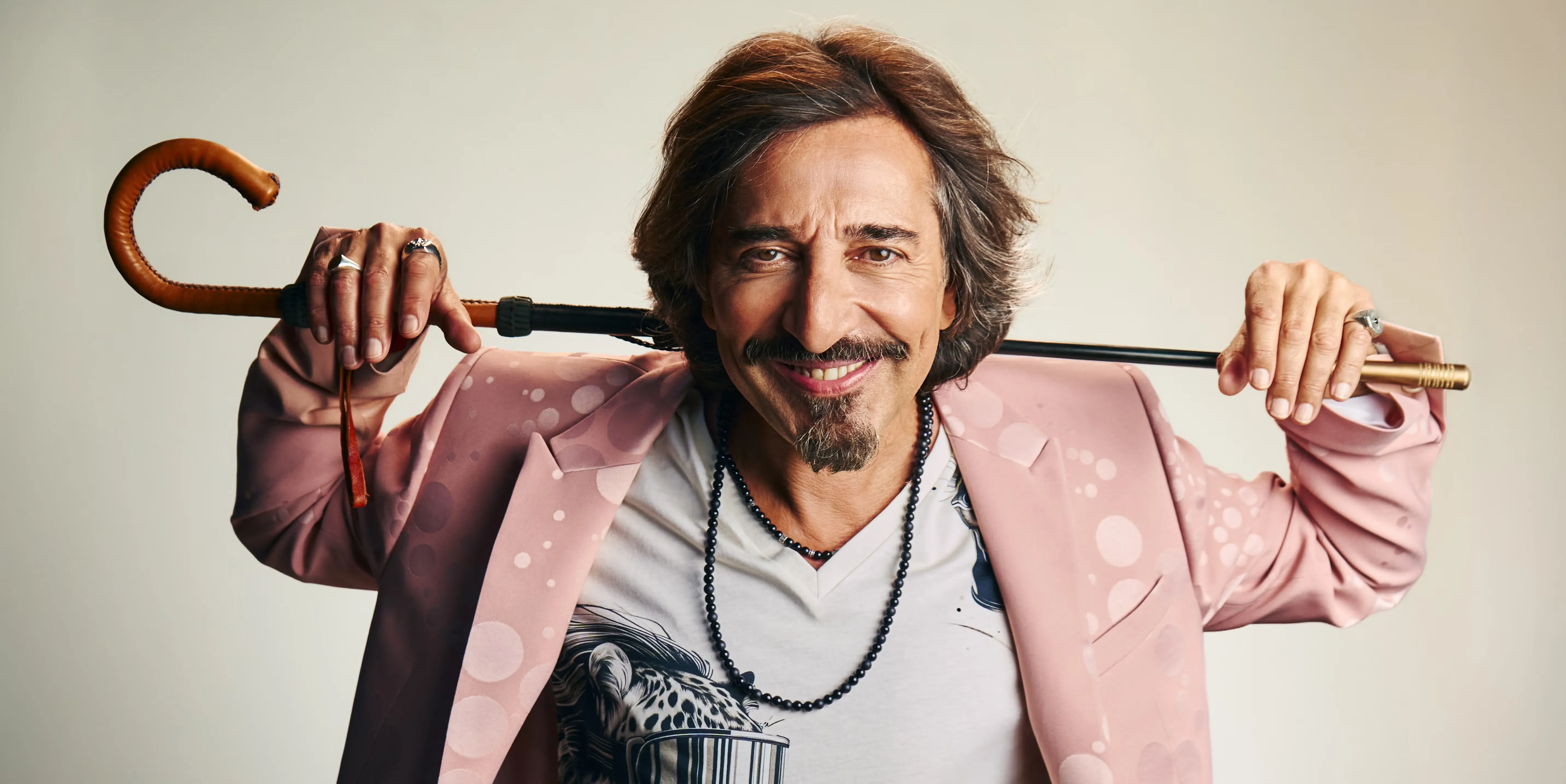
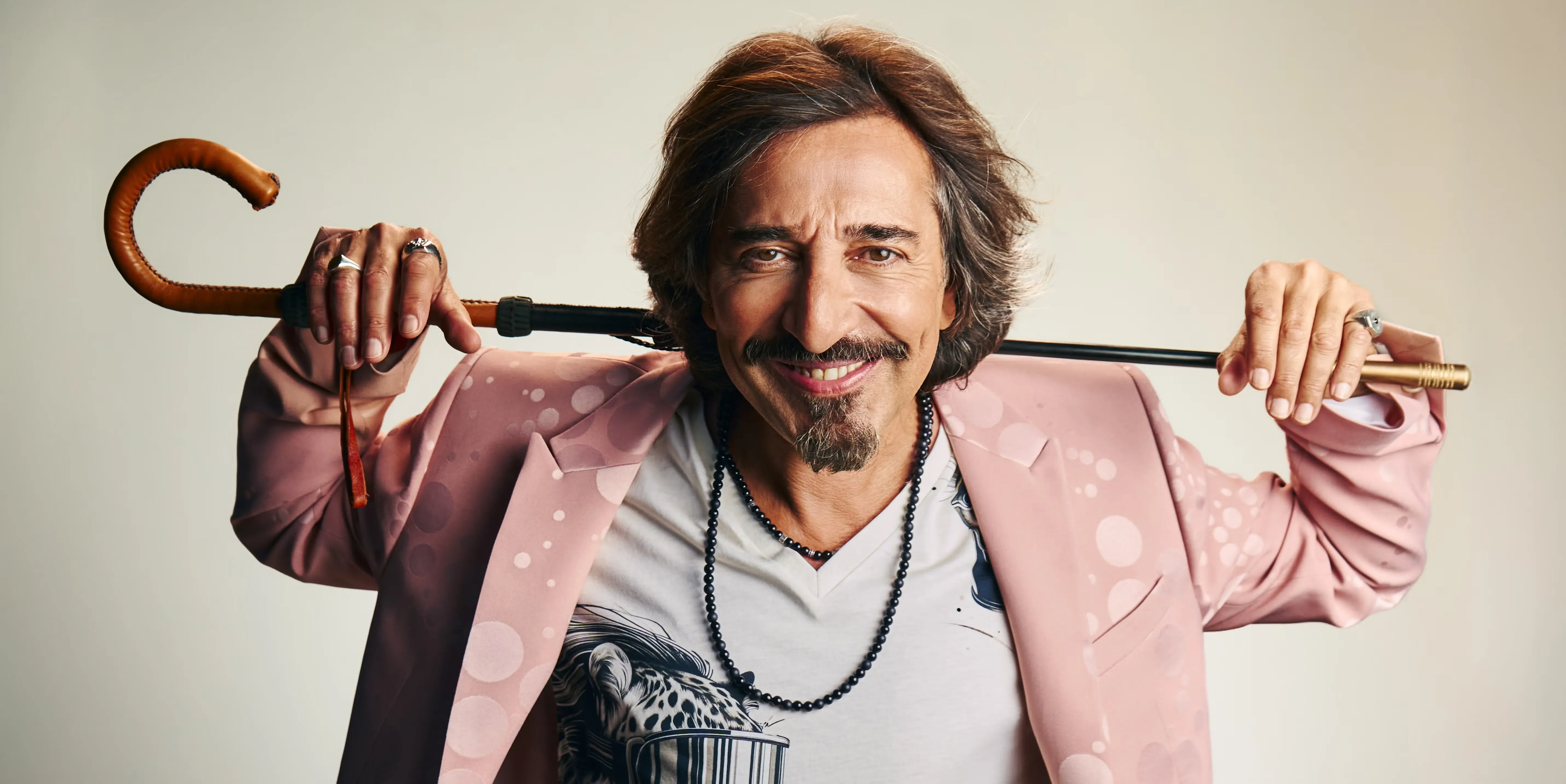
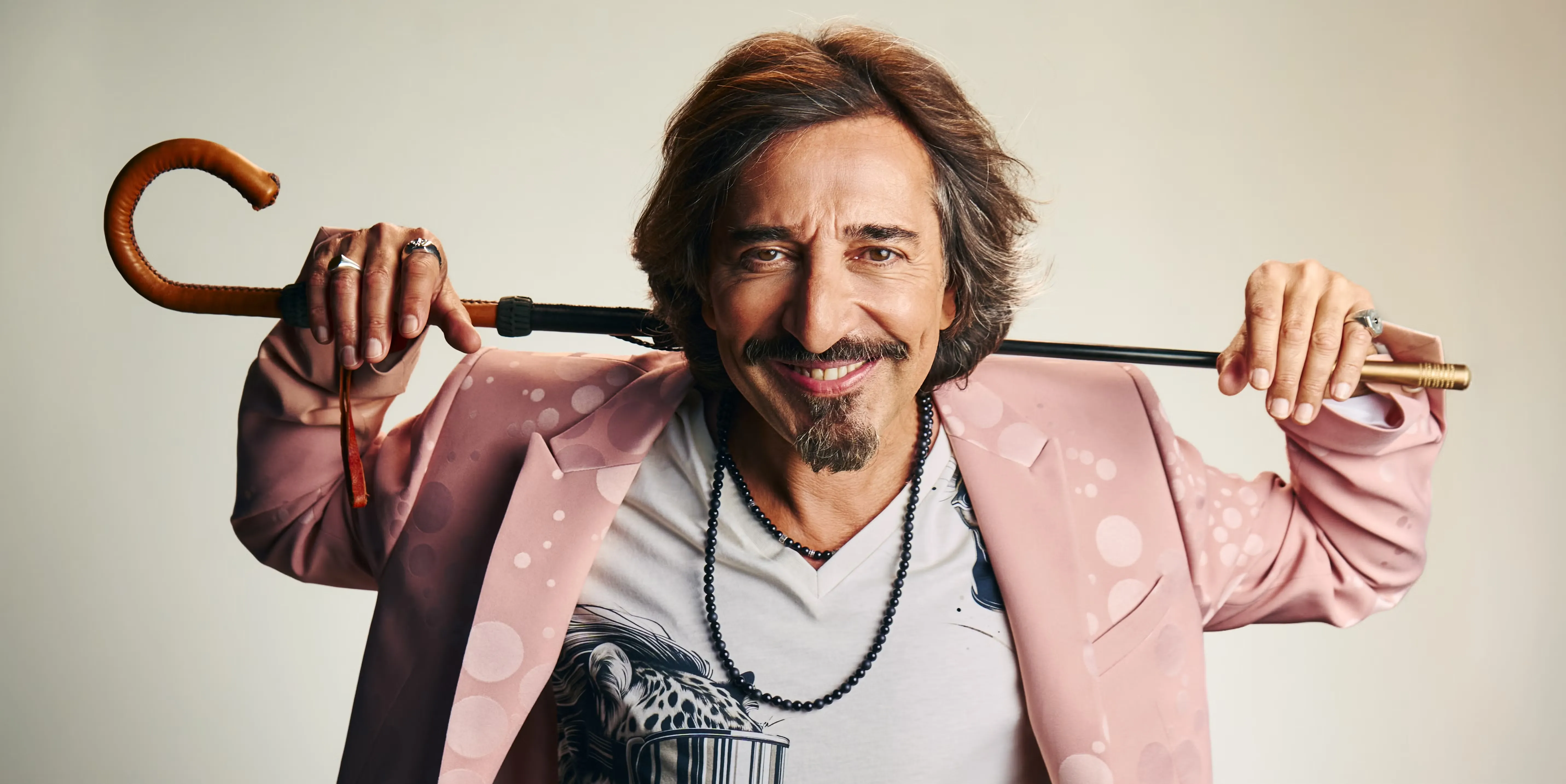
Antonio Carmona, born in Granada in 1965, stands as a significant figure within the illustrious lineage of flamenco music, originating from the renowned family known as Los Habichuela. This family legacy began with his grandfather, referred to as "Habichuela el Viejo," and was carried forward by his father and uncles, who remarkably elevated the flamenco guitar from the intimate caves of Sacromonte to the prestigious halls of the White House. In a recent gathering at Universal Music's Madrid headquarters, an exhibition showcasing personal photographs from Carmona's life was unveiled, coinciding with the launch of his latest album, _Baro Drom_. This collection features images of family, friends, and pivotal moments, including his wedding to Mariola Orellana in Gibraltar. The album is not just a musical endeavor; it encapsulates the essence of Carmona’s life—a journey filled with personal and professional evolution.
Having recently celebrated his sixtieth birthday, Carmona has always embodied a spirit of rebellion and restlessness. This was evident even four decades ago when he broke traditional barriers by marrying a non-Gypsy woman and merging flamenco with pop through his band Ketama, which he formed with his cousins. Today, his new album showcases his continued audacity, ranging from collaborations with his uncle Pepe Habichuela, where they explore traditional flamenco tangos, to experimental jazz influences in tracks like _El punto sobre la i_, and even delving into rap with French duo Bigflo & Oli on the track _La Paz_. "I have approached this album as a personal act of bravery," he claims, emphasizing that while some may find his genre-blending choices unconventional, they maintain a coherent thread of expression.
Bridging Cultures and Celebrating Diversity in Music
Carmona reflects on the surprising collaboration with Bigflo & Oli, a connection that blossomed through social media and streaming platforms, enabling him to discover their significant following in France. "I have always cherished French rap for its personality and elegance, and I felt a connection given their Latin American roots," he explains, highlighting how modern technology fosters global musical exchanges. He acknowledges the recent explosion of urban music in Spain, asserting that it has become a vital part of the cultural landscape, with artists from various regions contributing to a vibrant musical tapestry. While Carmona does not consider himself a creator of urban music per se, he recognizes that elements of contemporary sounds resonate through his latest work, which features programmed beats and synthesized sounds rather than traditional recording methods.
In discussions about the global rise of Spanish music, Carmona notes the increased appreciation for Latin artists, particularly in places like England, where there is a newfound eagerness to embrace Latin culture. He expresses optimism about this trend, especially as it opens doors for Spanish-speaking artists in Europe, a significant stride towards cultural integration. Furthermore, he echoes sentiments expressed by fellow flamenco artist José Mercé regarding the need to elevate flamenco’s profile—advocating for the establishment of a dedicated space that honors the genre’s history and its iconic figures, akin to a living museum showcasing flamenco's rich heritage.
Carmona’s reflections on his childhood reveal a unique upbringing intertwined with music, filled with memories of playing alongside family members and navigating the complexities of cultural identity. He fondly recalls his early days in Campamento, where his diverse friendships formed a tapestry of experiences that shaped his worldview. His latest album, _Baro Drom_, which translates to "good road" or "exodus," captures both his personal and artistic journeys, laden with subliminal messages that invite listeners to engage with Roma culture and promote understanding amidst diversity. As he contemplates the future of flamenco, he acknowledges the importance of honoring its roots while embracing new influences, ensuring that the genre remains dynamic and relevant.
As reported by esquire.com.