
Antonio Carmona's Musical Legacy and Innovations
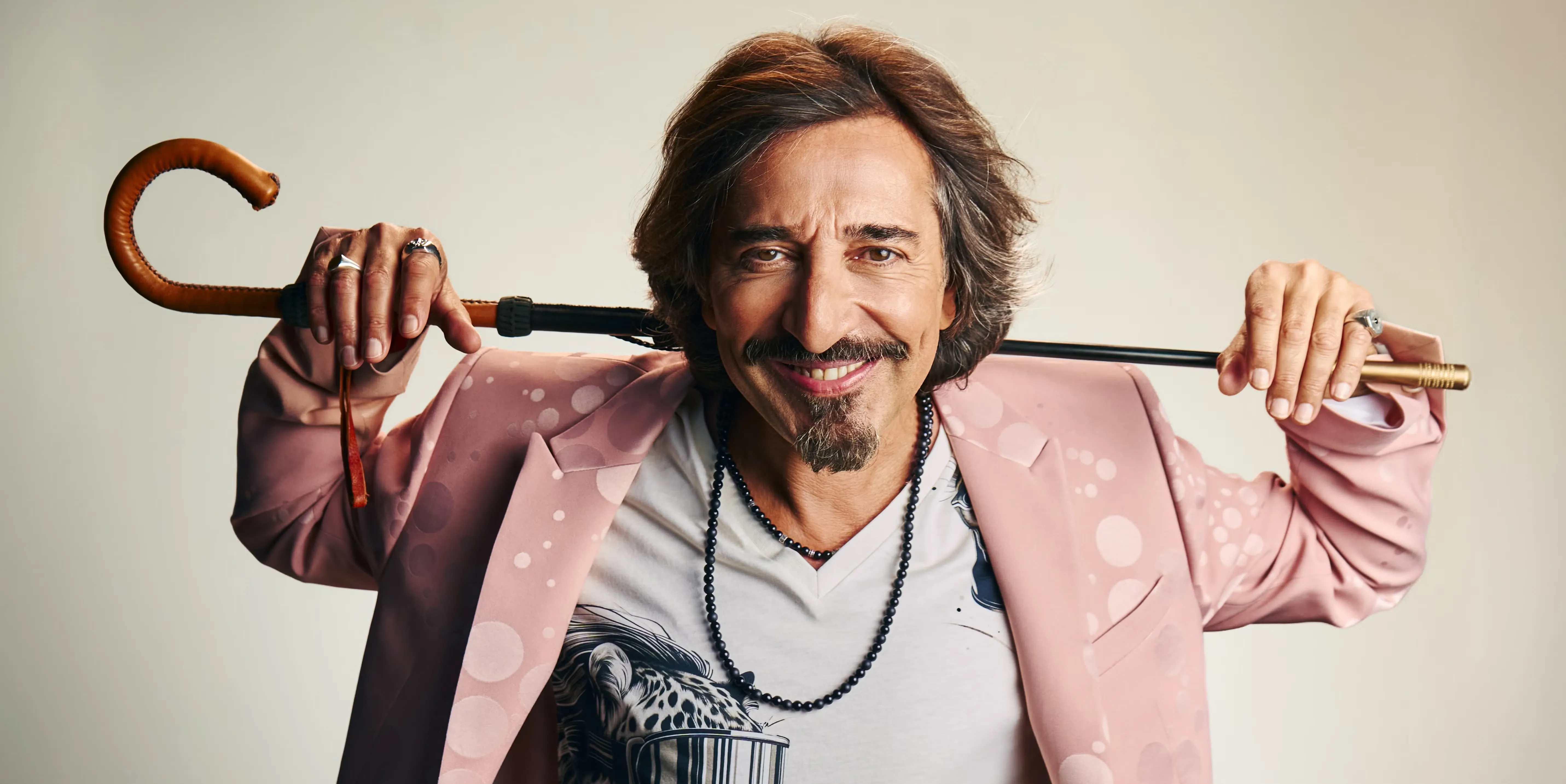
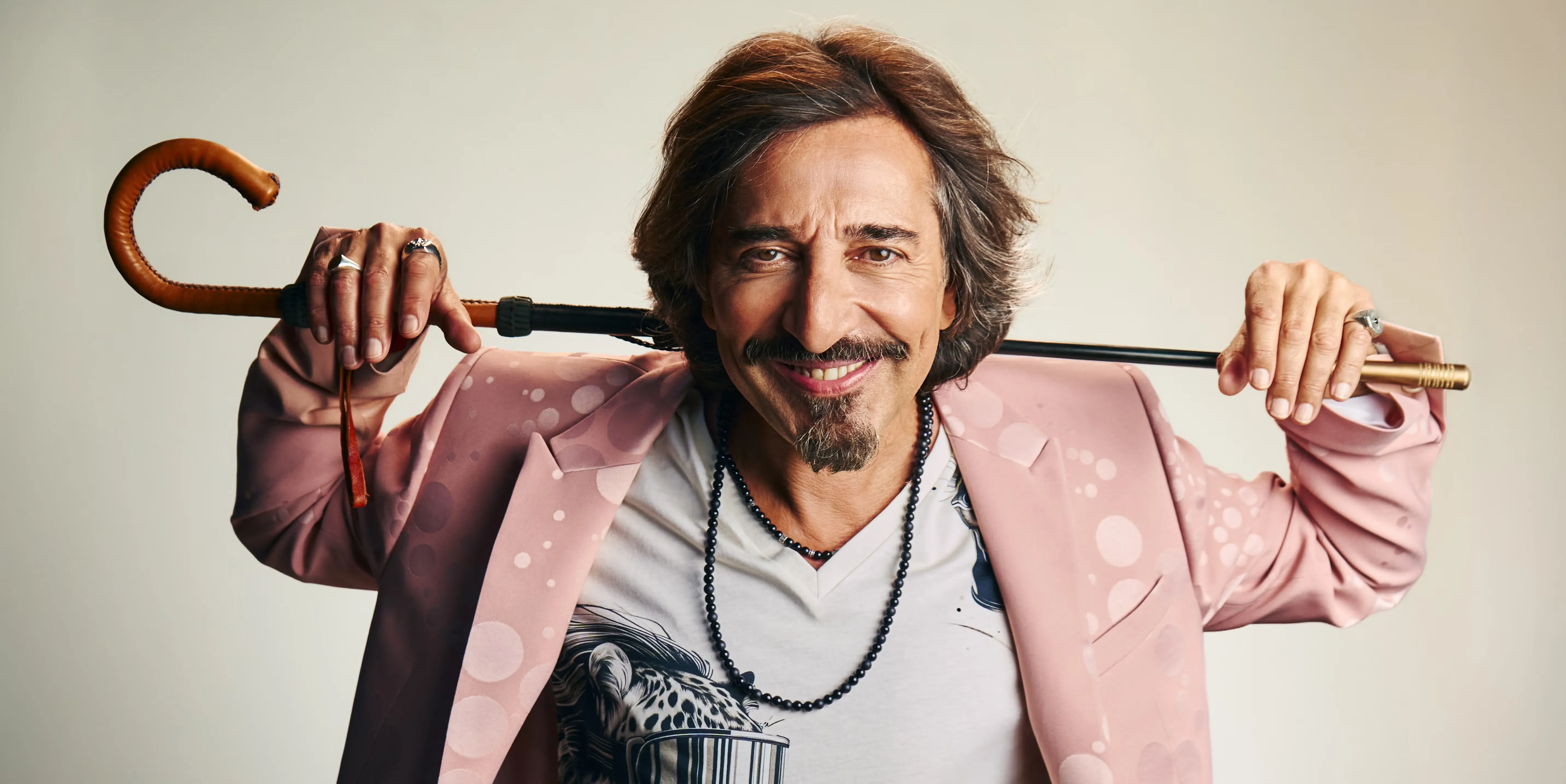
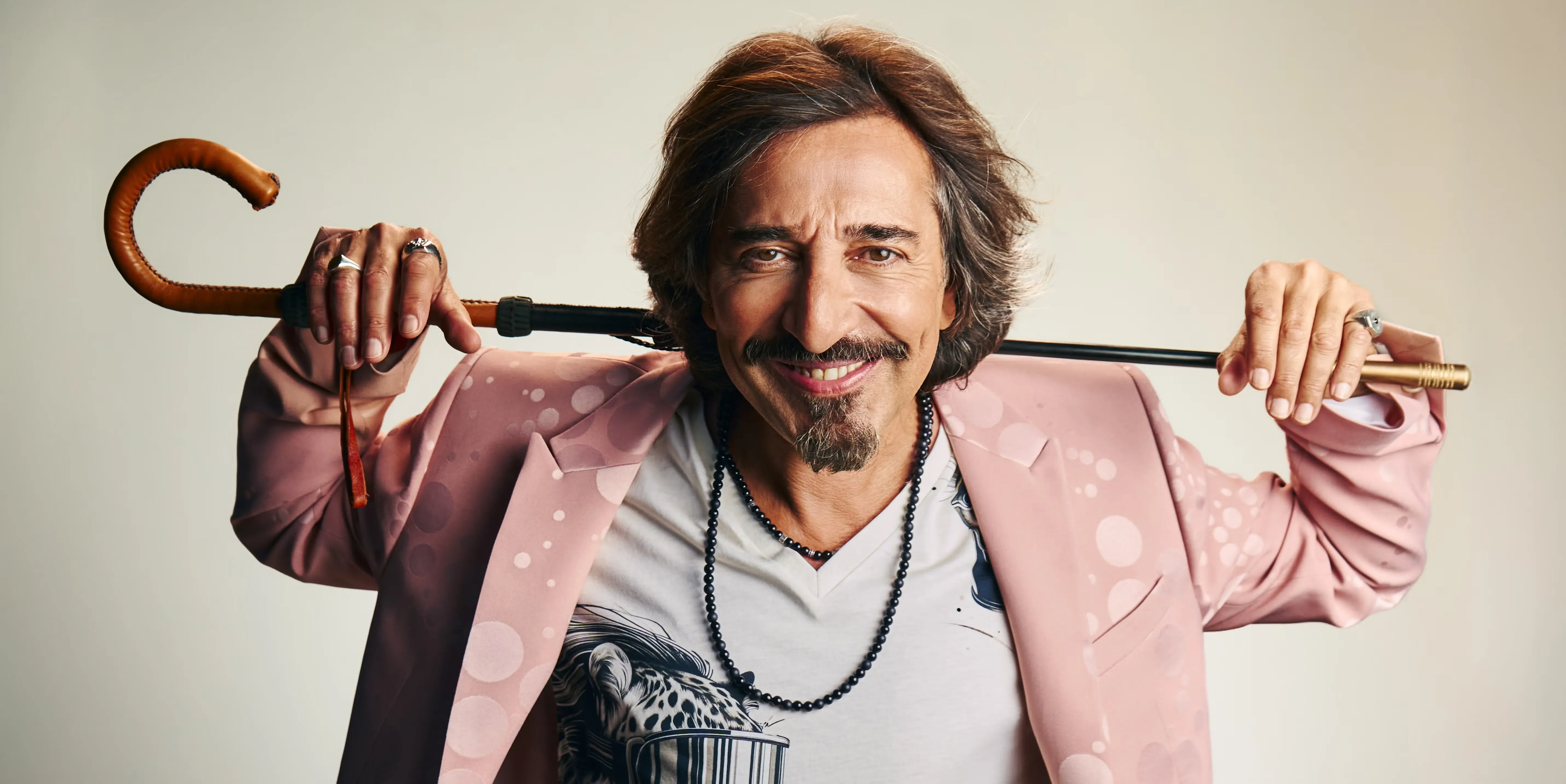
Antonio Carmona, born in Granada in 1965, stands as a monumental figure in the realm of flamenco music, hailing from the illustrious Habichuela family lineage. This family, initiated by his grandfather "Habichuela el Viejo," has played a pivotal role in elevating flamenco guitar from the caves of Sacromonte to prominent stages, including the White House. Currently, at Universal Music's Madrid office, a temporary exhibition showcases photographs from Carmona's personal life, encapsulating moments from his family, friendships, and his wedding to Mariola Orellana in Gibraltar, all of which reflect the rich tapestry of his life experiences. Now in his sixties, Carmona has perpetually embraced a rebellious spirit, intertwining flamenco with pop music through his band Ketama, which he formed with his cousins, and continues to break boundaries with his latest album, _Baro Drom_. This album boldly features a diverse range of musical styles, from traditional Tangos Candongos with his uncle Pepe Habichuela to a jazzy touch in _El punto sobre la i_, and even a rap collaboration with the French duo Bigflo & Oli in _La Paz_. Carmona's artistic journey is characterized by boldness and innovation, as he embraces various genres while remaining true to his flamenco roots.
A Personal Reflection on Music and Cultural Heritage
Upon discussing his latest album, Carmona expressed that the creation of _Baro Drom_ has been a courageous act of self-expression. He described the album as a compilation of diverse themes, ranging from collaborations with family to unexpected partnerships with contemporary artists. The connection with Bigflo & Oli arose from social media, showcasing the power of streaming platforms in bridging musical worlds. He remarked on the richness of urban music in Spain, highlighting the country's role as a global reference point for talented musicians. Carmona's insights into the flamenco genre reveal his deep concern for its future. He emphasizes the necessity of creating a cultural space dedicated to flamenco, akin to a living museum that honors its historical figures, akin to jazz legends. He stressed that while the genre has immense export potential, it often lacks the recognition it deserves within Spain. The musician advocates for more representation of flamenco in media, criticizing the current programming that overlooks its cultural significance. Reflecting on his childhood, Carmona fondly recalls his upbringing in a musical family. With experiences ranging from playing in local venues at the age of thirteen to navigating financial hardships, he recognizes how these moments shaped his artistic voice. The album encapsulates not just his musical evolution but also his personal journey, filled with both struggles and triumphs. He hopes that by incorporating messages in Romaní, he can foster a greater understanding of Roma culture and encourage unity amidst diversity in contemporary Spain.
As reported by esquire.com.