The alliance between Morocco and the United States, coupled with the ambitious construction of the Hassan II Stadium in Casablanca, poses a significant threat to Spain's aspiration to host the final match of the 2030 World Cup at the Santiago Bernabéu. What initially seemed to be a harmonious collaboration among Spain, Morocco, and Portugal for organizing the World Cup has evolved into a tense standoff behind closed doors. According to recent revelations from Vozpópuli, the atmosphere within the Real Federación Española de Fútbol (RFEF) is charged with anxiety, as there exists a palpable fear that Spain may lose the opportunity to host the grand finale to its southern neighbor.
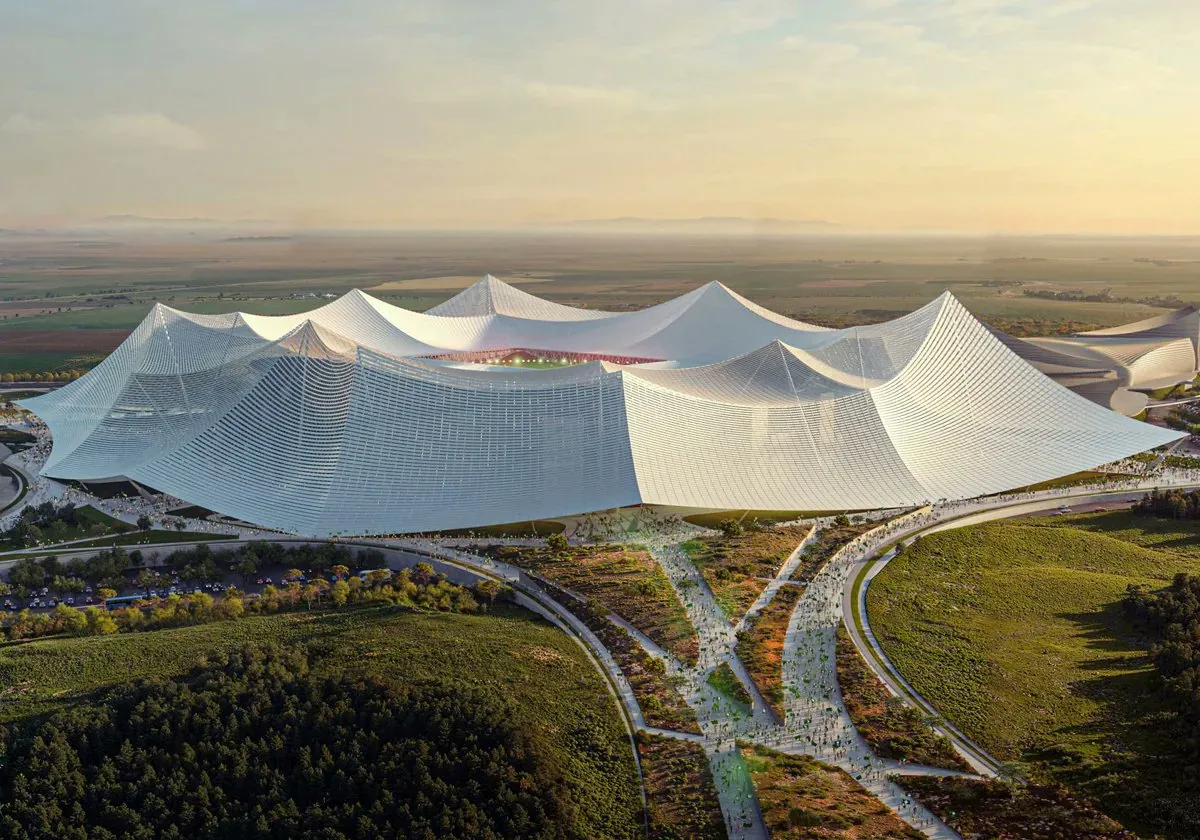
Morocco is making bold moves in this competitive race. While Spain had confidently anticipated that the newly renovated Santiago Bernabéu would serve as the venue for the ultimate showdown, Rabat has strategically advanced its plans with the Hassan II Stadium. This venue, projected to accommodate an impressive 115,000 spectators, significantly eclipses the 90,000 seats available at the iconic Spanish stadium.
Although FIFA evaluates various factors beyond mere seating capacity—such as infrastructure, security, and logistics—the Moroccan initiative starkly highlights Spain's apparent lack of a coherent national strategy. The turning point in this narrative is not solely dependent on the footballing pitch; it is also deeply influenced by the political dynamics in Washington. As noted by Vozpópuli, the growing diplomatic rift between Pedro Sánchez's government and the Trump administration is having repercussions.
This concern has now transcended into the public domain. Rafael Louzán, the president of the RFEF, has issued a clarion call to the Sánchez administration for increased involvement, stating, "In Morocco, one person is in charge, whereas here, we have many leaders." He emphasized the swift decision-making capabilities of Morocco compared to the bureaucratic sluggishness and lack of cohesive leadership evident in the Spanish project.
With a staggering budget of 2.5 billion euros earmarked for renovations in cities such as Valencia and Zaragoza, losing the World Cup final would not only be an economic setback but also a severe blow to Spain's national prestige.
As reported by elliberal.cat.