Humanitarian Crisis Unfolds as Thousands of Migrants Arrive in Ceuta
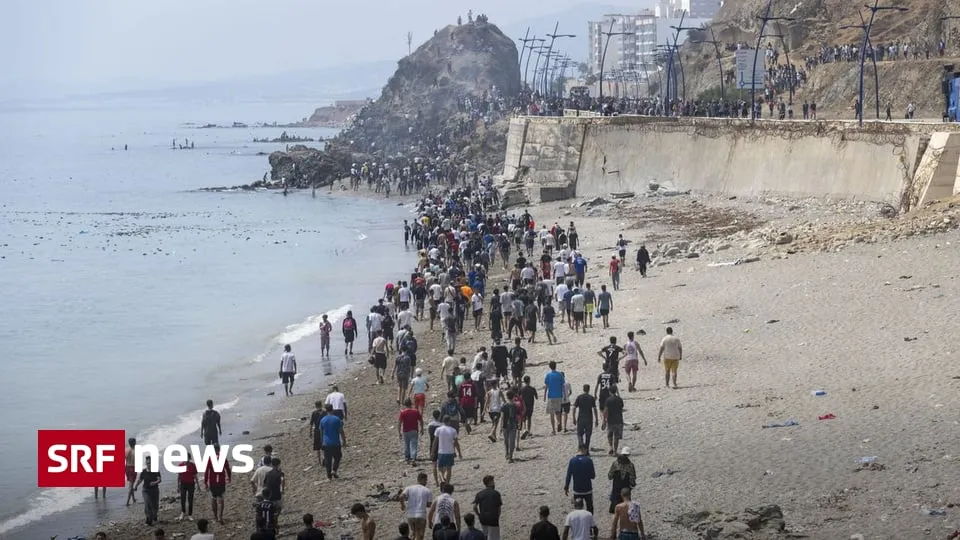
The images emerging from Ceuta are striking and alarming. On Friday, hundreds of Moroccans swam towards the Spanish enclave in a desperate bid for refuge. Whether clad in swimsuits, wetsuits, or everyday clothing, equipped with buoys and flippers or relying solely on their own strength, many young individuals, including teenagers and families, participated in this continuous and perilous journey. The mayor of Ceuta, Juan Jesus Vivas, estimates that around 60,000 migrants have illegally crossed into the enclave over the past few days, which is equivalent to approximately 70% of the local population. To put this into perspective, he likened it to the scenario where 34 million people would enter Spanish territory within just 24 hours. Tragically, Vivas also noted that 34 individuals have lost their lives in attempts to reach Ceuta, underscoring the dangers associated with these crossings.
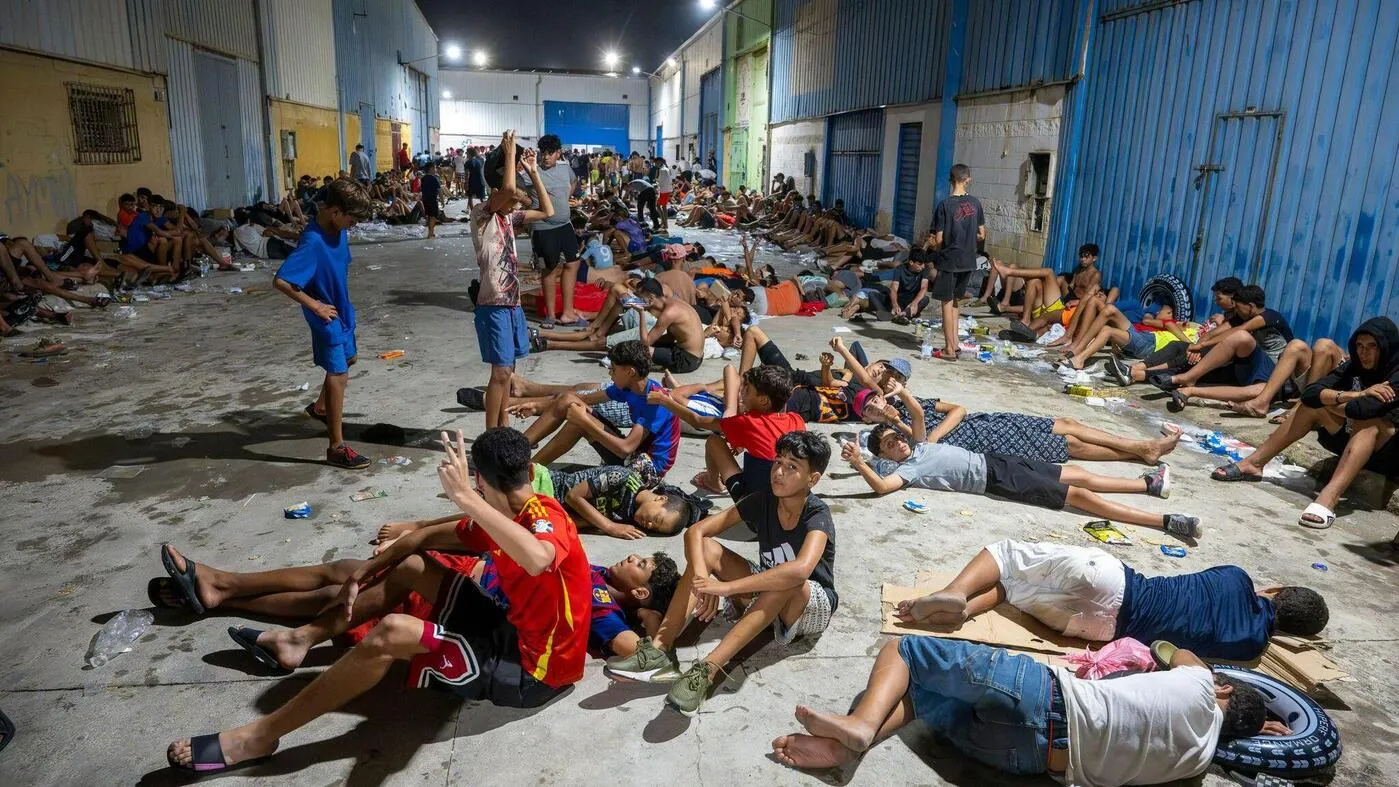
These treacherous journeys have resulted in numerous fatalities, primarily due to strong currents. The CETI, the reception center managed by the Spanish government, has been overwhelmed for days, with makeshift camps springing up in the surrounding areas as the authorities struggle to cope. "Ceuta is experiencing a national humanitarian and social emergency. We cannot face such pressure alone," stated Juan Jesus Vivas, reflecting the gravity of the situation.
Echoes of the 2021 Migration Crisis
This current crisis bears a resemblance to the events of May 2021, when over 10,000 migrants reached Ceuta in a mere two days, following a relaxation of border controls by Rabat amid diplomatic tensions between Spain and Morocco. These tensions arose after Spain provided medical treatment to the leader of the Sahrawi independence movement, the Polisario Front. However, relations between Madrid and Rabat improved in 2022 when Spain expressed support for Morocco's autonomy plan for Western Sahara. Recently, on July 20, Spanish Prime Minister Pedro Sánchez visited Algeria, a supporter of the Polisario Front, marking a thaw in relations after years of tension surrounding the Western Sahara issue. Despite this visit, a source from the Spanish Foreign Ministry assured that relations between Madrid and Rabat have not been negatively impacted.
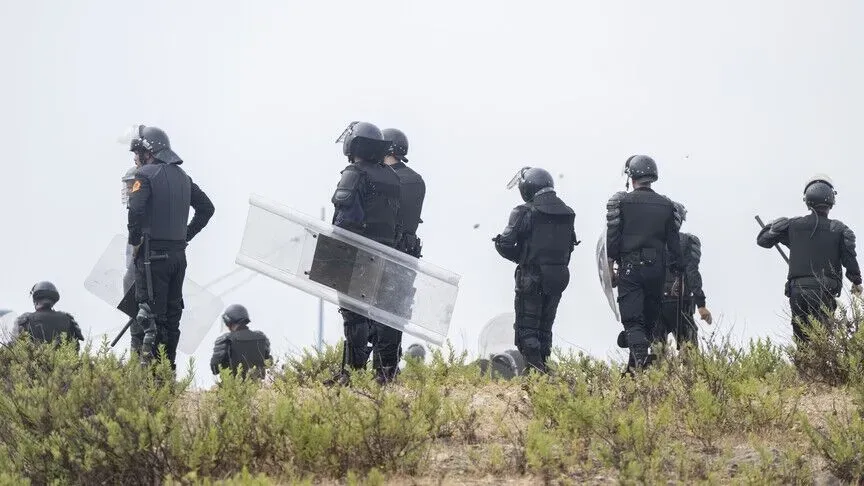
In light of the escalating crisis, Prime Minister Pedro Sánchez is expected to visit Ceuta alongside the Interior Minister. He has condemned the situation as exceptionally grave, stating, "What has occurred constitutes an attack, a violation of Spain's territorial integrity." He announced the initiation of a large-scale operation to repatriate migrants to Morocco, confirming that Moroccan authorities have agreed to cooperate with this effort. The Spanish Interior Ministry reported that over 25,000 migrants have already departed from Ceuta to return to Morocco, with departures occurring at a rate of 150 individuals per minute.
This latest migration crisis follows a ruling by the Spanish Supreme Court on July 8, which established legal precedents concerning a provision in immigration law applicable only to the enclaves of Ceuta and Melilla. This provision allowed for immediate expulsions at the border of migrants who had entered illegally. Following this ruling, only migrants who crossed a physical barrier, such as a fence, can now be expelled "hot"; those who arrive by swimming must undergo a more lengthy administrative process, providing more protections and opportunities for migrants.
Italian Prime Minister Giorgia Meloni ignited a diplomatic crisis on Thursday by expressing her willingness to "suspend the Schengen area with Spain" while denouncing the "threat" of illegal immigration. In response, Spanish Foreign Minister José Manuel Albares condemned Rome's "demagoguery" and announced the summoning of the Italian ambassador to Madrid as a sign of protest.
Meanwhile, Spain and Morocco have committed to reviewing and implementing measures to swiftly return all individuals who entered Ceuta illegally. The Spanish Interior Minister noted ongoing communication with his Moroccan counterpart, Abdelouafi Laftit. As of Friday morning, Morocco had not issued an official response to the crisis, although several local media outlets in Ceuta have accused Rabat of not doing enough to prevent departures.
In a recent speech marking the 27th anniversary of his accession to power, King Mohammed VI expressed a commitment to improving living conditions for Moroccans and establishing social and spatial justice, yet he did not address the massive wave of departures.
As reported by lesechos.fr.