Advancing the High-Speed Rail Project
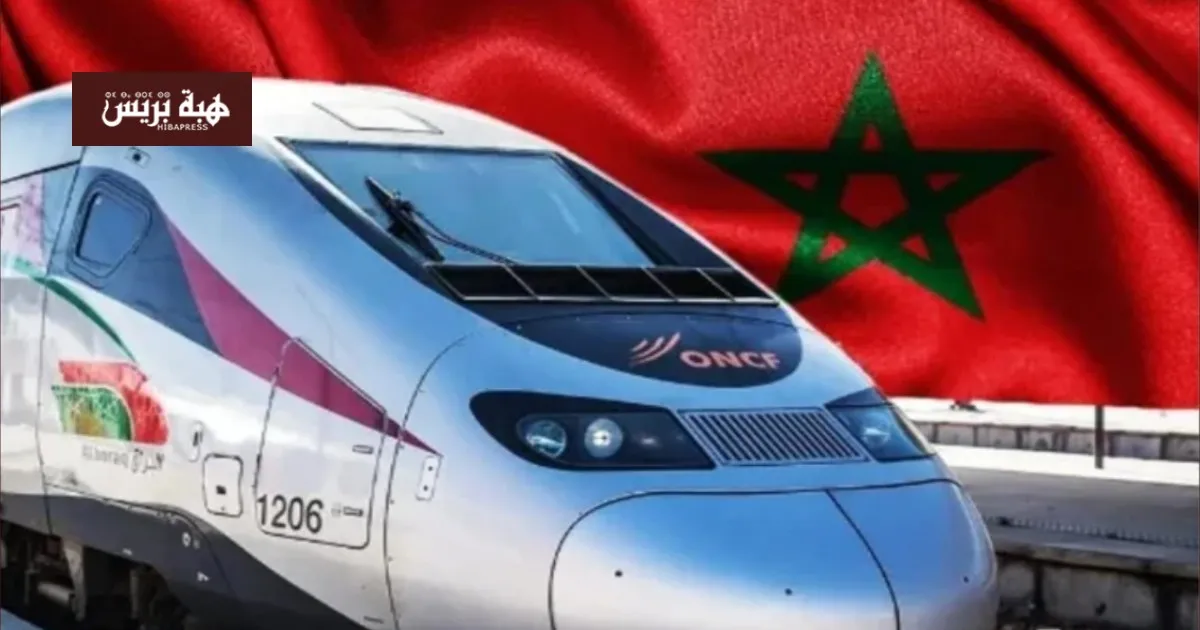
The National Office of Railways in Morocco announced on Friday its commitment to the effective continuation of the high-speed train line project connecting Kenitra and Marrakech. This strategic initiative is seen as a cornerstone of a historic railway program aimed at transforming the national rail system in unprecedented ways. The project represents a substantial investment of approximately 96 billion dirhams, with 53 billion dirhams specifically allocated for the development of the high-speed line along the Kenitra-Marrakech corridor. This ambitious program is supported by significant royal backing.
As part of this extensive plan, the acquisition of 168 new trains is set to take place with an investment of 29 billion dirhams, aimed at bolstering and modernizing the national rail fleet. Additionally, 14 billion dirhams will be dedicated to maintaining the quality of services in the existing network. A year after the royal launch of the project, the National Office of Railways has reported substantial progress across various components of this initiative, demonstrating its capability to manage major projects that promote sustainable mobility and enhance national competitiveness.
Construction and Development Milestones
The statement highlighted noteworthy advancements in the construction of the high-speed line, which spans an impressive 430 kilometers. The acquisition of land for the project has been nearly completed, reflecting ongoing dynamic efforts and effective mobilization of all involved parties. In terms of construction works, civil engineering activities are accelerating across different segments, with the completion of essential infrastructure and facilities advancing according to established objectives.
To date, approximately 20 million cubic meters of earthworks have been completed, alongside significant progress in major structures, including the construction of 15 large bridges and three tunnels in the Casablanca, Zenata, and Ain Atiq areas, totaling 1.5 kilometers. Additionally, work has commenced on 92 specialized structures for both rail and road bridges. The acquisition of railway equipment has also proceeded according to schedule, with about 2.5 million tons of gravel, 800,000 tons of sleepers, and over 100,000 tons of rails supplied, along with 220 track-switching devices to support ongoing construction activities.
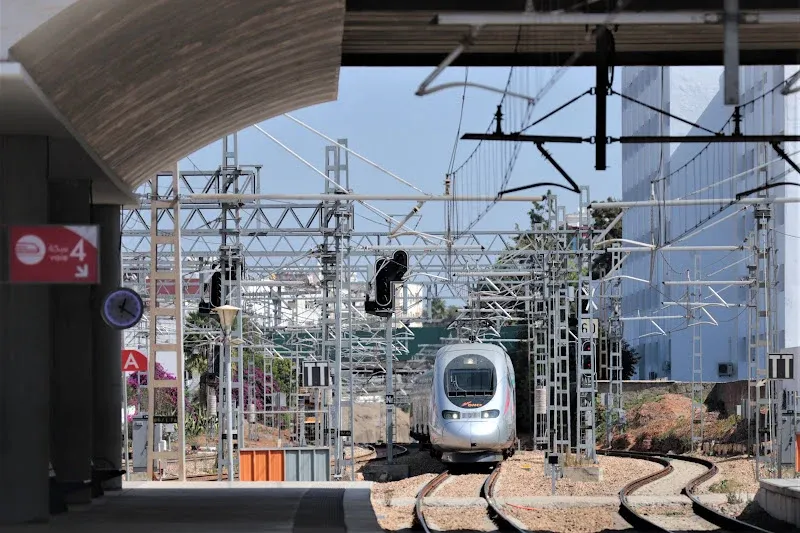
Furthermore, construction work on the operational lines in several sections is progressing rapidly, with railway tracks being laid at a swift pace. Preparations for signaling systems are underway, with implementation expected to begin within the specified timelines. Regarding passenger stations, architectural designs have been finalized, and the first phase of stations is set to commence construction at the start of 2026, with all stations expected to be under construction by July 2026.
The importance of this program extends beyond its structural aspects; it serves as a robust catalyst for national economic development. Approximately 150 companies are directly involved in various components of the project, with national firms accounting for around two-thirds of this involvement. This dynamic reflects the structural impact of the program led by the National Office of Railways on the national economy, enhancing skills, valuing Moroccan expertise, and reinforcing national industrial excellence.
In conclusion, the new high-speed train line between Kenitra and Marrakech exemplifies the continuous journey towards modernizing and expanding Morocco's national railway network, embodying the steadfast ambition to create a sustainable and efficient transportation system that supports economic dynamism and regional development under the wise leadership of His Majesty King Mohammed VI.
As reported by hespress.com.