
Unveiling a Massive Espionage Network
The recent leak of a list containing the names of 70,381 Moroccans alleged to be working for the intelligence services of Morocco has sent shockwaves through Spain and beyond. This extensive database, which includes the identities of 21 high-ranking officials from the Moroccan intelligence community, points to at least five individuals linked to the Moroccan Embassy in Madrid as potential operatives among the vast network. These findings were corroborated by THE OBJECTIVE, which cross-referenced the leaked spreadsheet, attributed to a hacking group named Jabaroot, with the official list of accredited diplomats in Spain.
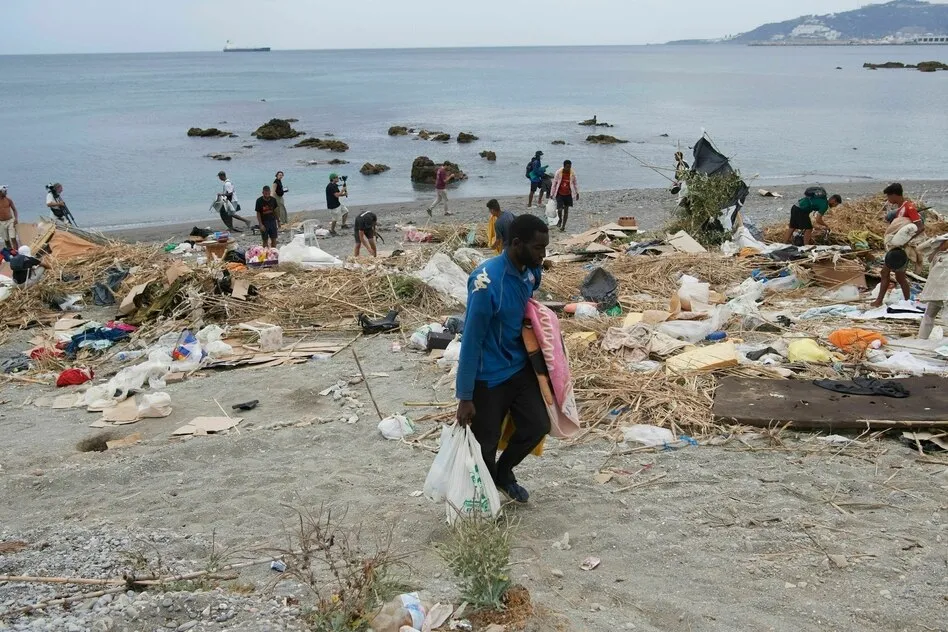
On July 31, the Spanish Foreign Affairs Department, led by José Manuel Albares, updated its record of foreign diplomats working in Spain. Interestingly, this update came just a day after a significant influx of Moroccans into Ceuta, stirring public interest and concern. Within this newly published list, five Moroccan diplomats were identified, comprising about 15% of the total accredited personnel at the embassy. These individuals are believed to hold their positions as a facade for their espionage activities. The identified diplomats include Adil El Alami, Khalid Lahsaini, Tarik Sabil, Thami Belcaid, and Al Amir al Alam. Notably, the name Jamal Zerhouni appears in the Jabaroot leak, which may correspond to a diplomatic advisor named Jamil Zerhouni at the embassy.
The Roles and Backgrounds of Key Individuals
Among these individuals, Adil El Alami stands out as the most senior member within the embassy. He serves as the third-in-command, following the ambassador Karima Benyaich and the charge d'affaires Khalid Atlassi. According to the leaked information, El Alami was born on December 16, 1980, and joined the Moroccan intelligence services in 2007, following his studies in Political Science in Paris. His diplomatic career has seen him head the Latin America division at the Moroccan Foreign Ministry before his appointment to Madrid in September 2023, where he operates as a plenipotentiary minister.
Khalid Lahsaini, listed as the fifth-ranking diplomat at the embassy, shares a birthdate of July 4, 1984, as per the Jabaroot leak. His previous roles include serving as a minister counselor and postings in Sweden and various Middle Eastern nations. He was recruited into the Moroccan intelligence services in 2009 and has been stationed in Madrid since September 5, 2024.
Tarik Sabil, Thami Belcaid, and Al Amir al Alam were all recruited into the Moroccan intelligence services in 2007. Sabil, born in December 1971, has been with the embassy since 2016, making him the second longest-serving member there. Belcaid has a notable history with the Spanish police and is recognized as an interior attaché at the embassy. His prior experience includes being affiliated with the General Directorate of National Security (DGSN). Lastly, Al Amir al Alam, born in 1977, was the latest to join the embassy's ranks as of February 2, 2023, indicating he may still be in the early stages of his role as a secret agent.
The revelations surrounding these individuals highlight a significant breach of sensitive information within Moroccan intelligence, which has been described as a monumental challenge for European security, particularly for Spain. The hacking group Jabaroot has publicly claimed responsibility for unveiling this vast network, which has raised serious questions about the operational methods and objectives of Moroccan intelligence agencies. This incident follows a series of high-profile leaks, including the disclosure of 3,400 palace employees and details of two million social security affiliates. The Moroccan government has accused the hackers of being agents for Algeria, its primary rival in the Maghreb region.
The leaked documents, which have been disseminated via Telegram, contain sensitive data including agents' birth dates, Moroccan identification numbers, recruitment years, ranks, and even banking details. This exposure not only compromises the security of those named but also poses a broader threat to international relations and stability in the region.
As reported by theobjective.com.