
The Dire Situation of Migrants in Ceuta
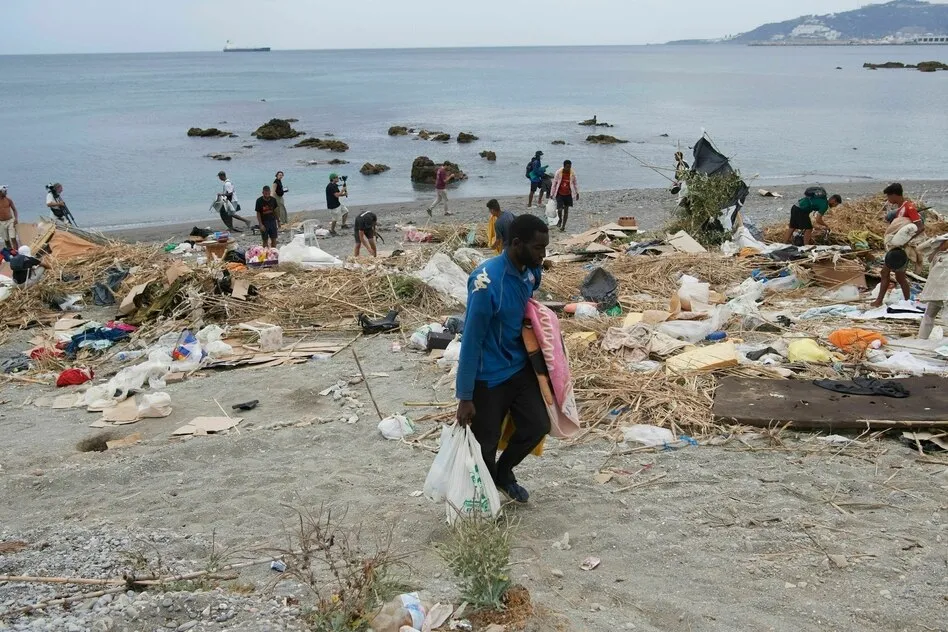
Approximately three weeks have passed since thousands of migrants surged into Ceuta, and the situation has deteriorated into a humanitarian crisis of alarming proportions. The ongoing dispute between Morocco and Spain regarding the fate of the remaining underage migrants and the status of the Spanish exclave continues to intensify. Residents of Ceuta express feelings of abandonment by the Spanish government, as the plight of nearly 10,000 migrants from Morocco and Sub-Saharan Africa becomes increasingly desperate. Eyewitness accounts reveal harrowing incidents of sexual violence, outbreaks of contagious skin diseases, and local residents collaborating with Spanish soldiers to hunt down migrants during the night.
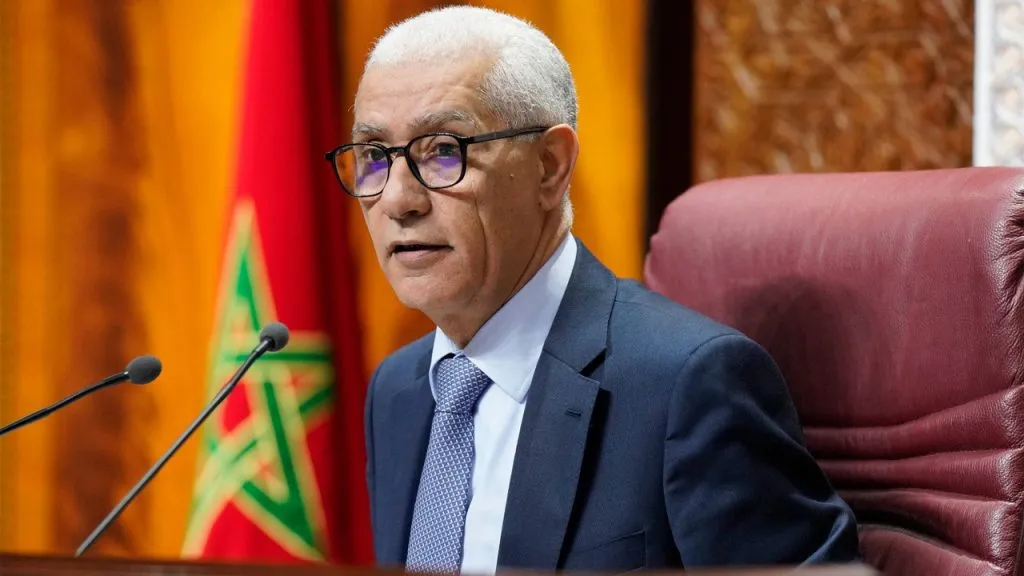
In the midst of this crisis, Moroccan Justice Minister Abdellatif Quahbi recently called for the return of Ceuta and the second Spanish exclave, Melilla, to Morocco, labeling them remnants of colonialism. While the Spanish government insists on maintaining sovereignty over these territories, the rhetoric on both sides becomes more charged. Quahbi stated this week that Morocco seeks to resolve the matter exclusively through negotiations with Madrid. In Moroccan media, Ceuta and Melilla are increasingly referred to as "occupied territories," further escalating tensions. Meanwhile, populist factions exploit the issue, warning of potential Islamist infiltration among the migrants and alleging that Algeria is orchestrating the crisis to exacerbate Spanish-Moroccan relations.
Escalating Tensions and Human Rights Concerns
Social media platforms in Morocco have seen promotional videos calling for another surge into Ceuta, though the source of these videos remains unclear. In response, Moroccan authorities have arrested teenagers who had traveled to Ceuta and shared their experiences online. Human rights activists from the AMDH organization in the northern Moroccan city of Tetouan report that around 70 individuals have been detained. There have also been arrests of youths in Casablanca and Rabat, coinciding with a crackdown on rappers and artists known for their critical stance against the government.
In October of last year, authorities detained approximately 2,000 individuals to quell the GenZ-212 street protests, which were sparked by widespread discontent over high youth unemployment and precarious working conditions. The recent situation in Ceuta has led to some migrants entering hunger strikes due to the spread of scabies and hepatitis at the "Trampolin" beach, with several women reporting instances of assault. Authorities have since evacuated the beach and relocated residents to warehouse facilities, prompting desperate individuals from further south to journey north in search of materials to construct makeshift shelters against the now chilly nights.
The citizens of Ceuta feel increasingly isolated amidst this chaos. A delegation led by Interior Minister Fernando Grande-Marlaska faced a hostile reception last week, with residents expressing their frustrations through boos and insults. Many homes are now fortified with barbed wire, and small groups of residents patrol certain neighborhoods searching for migrants. Amidst this backdrop, reports indicate that 500 minors are set to be transferred to the Spanish mainland, drawing ire from right-wing parties who interpret this as a potential catalyst for another mass influx into the city. Quahbi has also demanded the return of underage Moroccan migrants still in Ceuta, criticizing the complex EU procedures involved.
Juan Jesús Vivas, the Mayor of Ceuta, estimates the migrant population at 10,000, including 2,000 minors, based on food distribution data, while the Interior Ministry in Madrid places the figure at 5,000, suggesting that around 1,200 may qualify for asylum according to the UNHCR. The future of this crisis remains uncertain, especially as many officials and politicians in Spain and Morocco are still on summer recess. Nevertheless, one sentiment is clear among both migrants and residents of Ceuta: they feel abandoned by their governments.
As reported by taz.de.