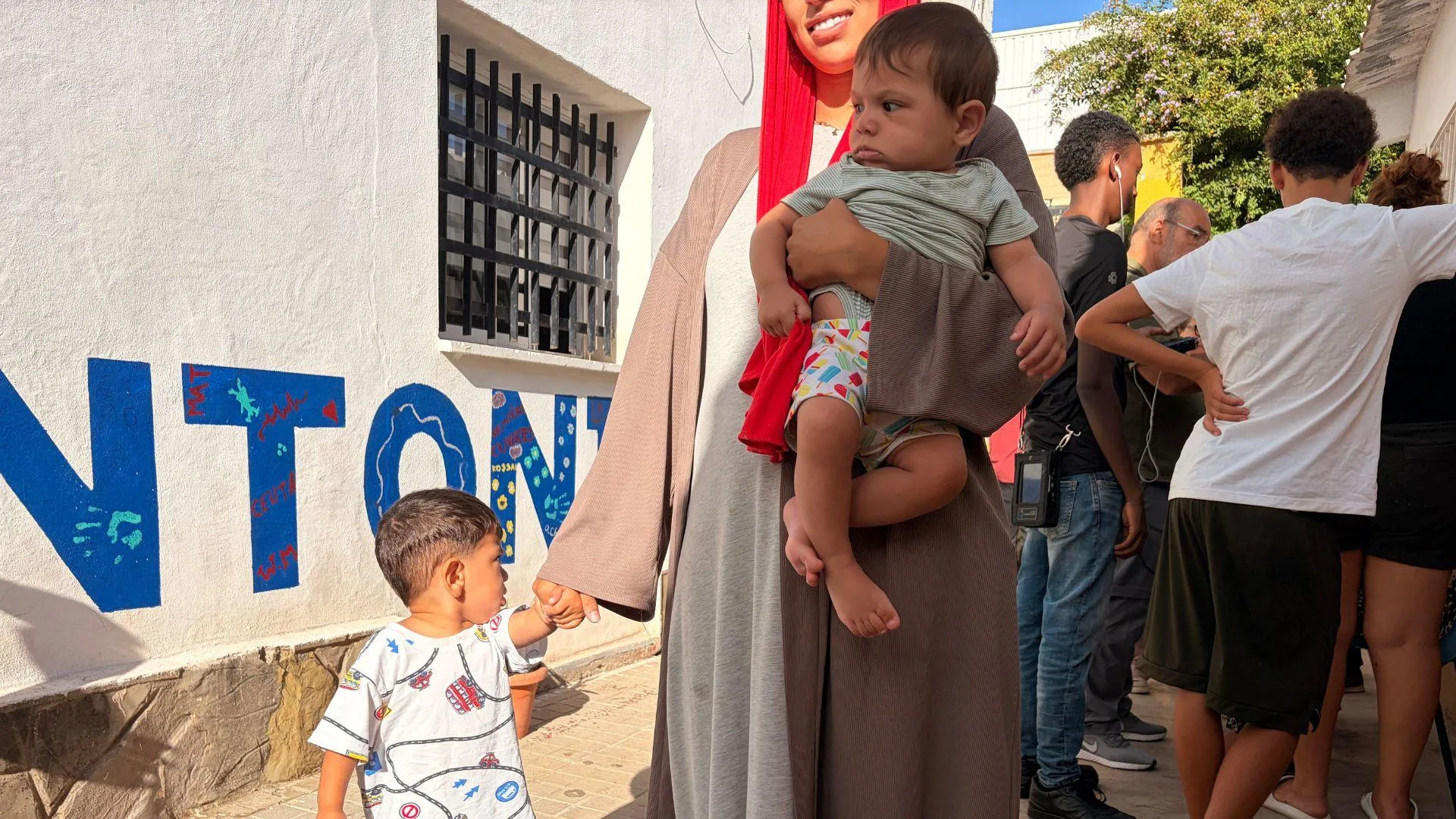

The recent influx of approximately 80,000 migrants, predominantly from Morocco, into Ceuta at the end of July has reignited discussions surrounding Morocco's long-standing claims over this autonomous city and Melilla. Experts suggest that while Morocco is leveraging this situation to assert its historical grievances, it is unlikely to pursue any actions beyond rhetoric, particularly given its current focus on Western Sahara and its role as a co-host for the 2030 FIFA World Cup alongside Spain and Portugal. According to Riccardo Fabiani, North Africa director at the Crisis Group think tank, Morocco has always maintained that Ceuta and Melilla are occupied territories, advocating for their status to be resolved through negotiations. However, until now, the Moroccan administration had little capacity to concentrate on these cities due to its complete focus on Western Sahara.
Fabiani opines that with the current U.S. administration encouraging Morocco—following Donald Trump's recognition of Moroccan sovereignty over the former Spanish colony in December 2020—and given Rabat's growing confidence regarding the future of Western Sahara, the kingdom feels that this is an opportune moment to rekindle discussions about Ceuta and Melilla. He notes that the recent surge in migrants has highlighted Morocco's vulnerability and its dependence on cooperation for its own security, prompting the kingdom to reiterate its traditional demands. Moreover, this claim garners widespread consensus within Morocco, as all major political parties agree that Western Sahara, Ceuta, and Melilla are Moroccan territories. Statements from the Moroccan Justice Minister, Abdellatif Ouahbi, calling for dialogue with Spain, represent an effort to initiate a sensitive yet unavoidable conversation about these territories.
Opportunistic Use of Migration Crisis
However, Irene Fernández Molina, an International Relations professor at the University of Exeter, argues that certain actors are opportunistically exploiting the situation in Ceuta to revive territorial claims. She speculates that Ouahbi, a member of the Authenticity and Modernity Party (PAM), may be seeking greater visibility and even aiming for a position in the government following the elections scheduled for September 23. The PAM, founded by Fuad Ali el Himma—an associate and key advisor to King Mohammed VI—is part of the governing coalition led by Aziz Ajanuch from the National Rally of Independents (RNI). Fernández Molina believes it is logical to anticipate an escalation in rhetoric concerning Ceuta and Melilla in the coming weeks, which has traditionally allowed the palace to portray itself as a moderate arbiter in international affairs.
Both experts are convinced that the recent migrant surge was not intended to reignite territorial debates with Spain. They agree that while there was likely no premeditated plan from the highest levels of Moroccan power, there exists undeniable responsibility on the part of security forces for not responding adequately to contain the influx earlier. Fernández Molina states that until a thorough investigation is conducted, it cannot be concluded that there was an organized effort by Moroccan authorities; however, they hold undeniable responsibility for failing to prevent the increase in arrivals to Ceuta. Nonetheless, she emphasizes that this is not the same as being the origin of the crisis.
Long-Term Strategies and Current Focus
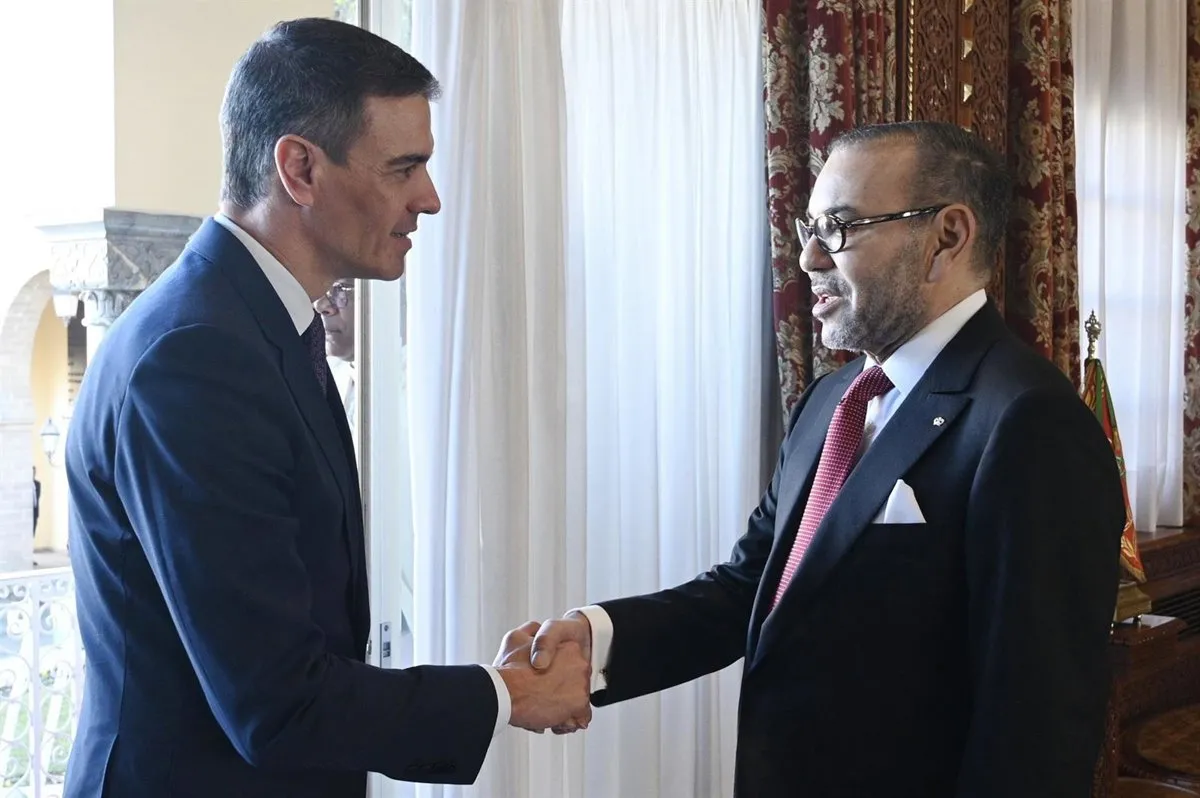
Both Fabiani and Fernández Molina concur that Morocco is unlikely to escalate its claims at this time. Fabiani summarizes that the issue has always existed and will continue to do so, pointing out that Morocco does not appear eager to resolve the status of these two cities. He emphasizes that this is a long-term game, and Morocco is prepared to pursue a cautious and patient strategy that might ultimately lead to their 'recovery.' Currently, the kingdom is primarily focused on the Western Sahara issue and the 2030 World Cup, leaving little room to expedite discussions regarding Ceuta and Melilla. Fernández Molina notes that for Morocco, Western Sahara remains the genuine priority in foreign policy, and the kingdom has much to gain from maintaining a positive relationship with Spain, especially after Prime Minister Pedro Sánchez's endorsement of Morocco's autonomy plan for the former Spanish colony in 2022.
Furthermore, the joint hosting of the World Cup cannot be overlooked; Fernández Molina describes it as a strategic policy for Morocco, which is investing heavily in infrastructure to improve its image. Fabiani agrees that the sporting event, for which Rabat aspires to host the final, is a significant reason why it is improbable that Morocco will escalate its claims at this juncture. The kingdom views this as a unique opportunity to promote itself globally, necessitating cooperation with Spain. Ultimately, Fabiani concludes that while Morocco wishes to keep the issues of Ceuta and Melilla alive, it is willing to wait a considerable time for resolution.
As reported by europapress.es.