Morocco Expands Security Relationships on a Global Scale
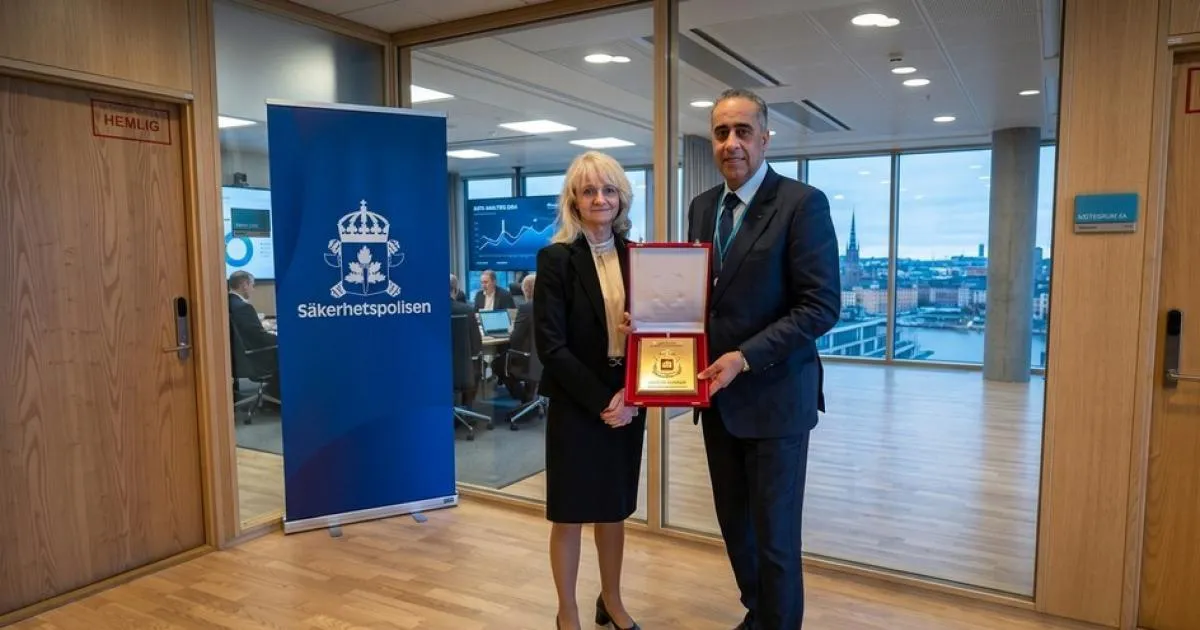
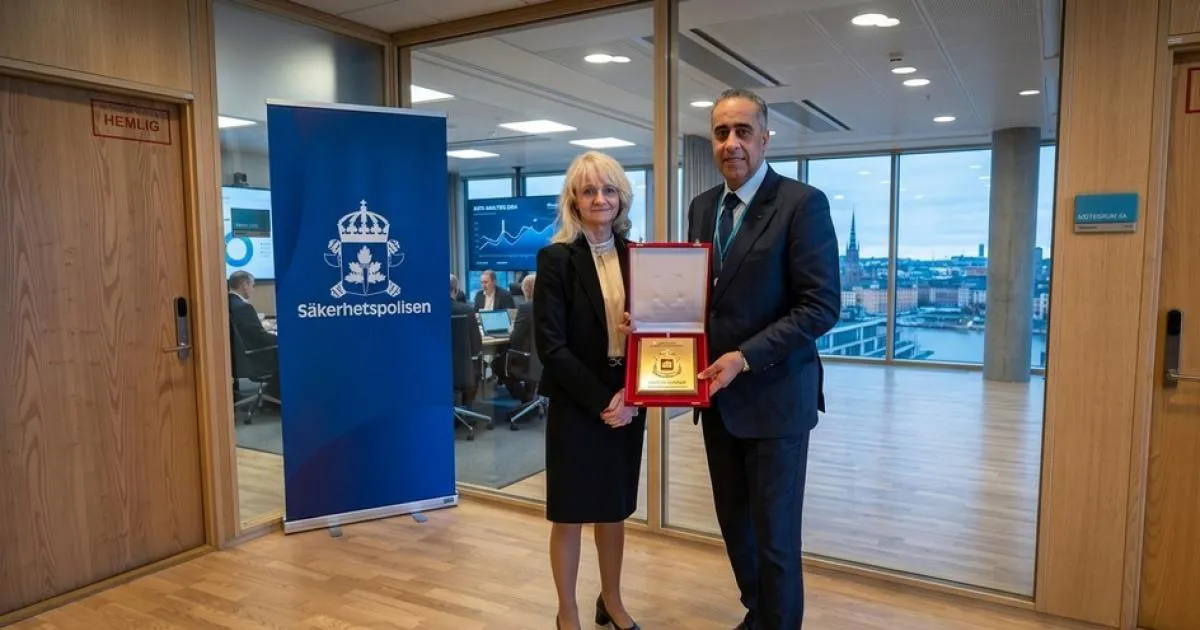
Morocco is not merely expanding its security network; it is strategically leveraging it to enhance its geopolitical position and establish its security model as a reference point within its regional and international context. Recently, Abdelatif Hammouchi, the Director-General of National Security and Territorial Surveillance, signed a memorandum of understanding with the General Commissioner of the Swedish National Police, marking a significant new chapter in cooperation with geographical areas that were previously outside the traditional realms of the kingdom's security coordination. This agreement, finalized earlier this week, serves as a robust legal framework to bolster collaboration between Rabat and Stockholm in combating terrorism, extremism, and transnational organized crime—threats that have transcended geographical boundaries, necessitating an expansion of security coordination networks beyond classical parameters.
The significance of this move extends beyond its immediate security implications; it carries deeper geopolitical connotations. Scandinavian countries, especially Sweden, have historically maintained a relatively distant relationship with Morocco, both in terms of security cooperation and political closeness. Past misunderstandings concerning the Sahara issue have sometimes influenced their relations with Rabat, manifesting in positions that lean towards separatist narratives under the guise of "self-determination," a concept long promoted by the Polisario Front under a facade of "historical injustice," which has been increasingly discredited as the Front's true nature has come to light. From this perspective, the recent agreement appears to represent a "qualitative breakthrough" and a break in the stagnation within a geographical space that has remained relatively closed off to Moroccan security diplomacy.
This agreement not only opens channels for operational coordination but also contributes to reshaping the perceptions of these nations regarding Morocco's national constants, particularly its stance on the Sahara issue. By building trust and establishing partnerships rooted in mutual interests and stability, Morocco's security philosophy has gradually transformed. It is no longer limited to securing its internal front or collaborating with traditional partners in Western Europe or the United States; instead, it has evolved into an effective diplomatic tool utilized to forge connections with new regions, solidifying Morocco's status as a reliable actor within the international security framework.
This "calculated openness" led by Hammouchi, based on realistic and serene royal vision, has enabled Morocco to overcome the inertia that marked its relationships with some Scandinavian countries, particularly in security and intelligence domains. The signing of the memorandum with Sweden is anticipated to lay the groundwork for sustainable cooperation and pave the way for similar partnerships in Northern Europe. Additional indicators of this expanding approach have emerged, as Norway recently expressed its desire to enhance its security ties with Morocco, showing readiness to sign a similar agreement to frame cooperation on issues of mutual interest. This further strengthens the notion that the agreement with Sweden is not an isolated event but part of a broader trajectory aimed at redrawing the kingdom's security partnerships.
Moreover, this dynamic is not confined to the Scandinavian space; it extends to geographically distant regions as a clear manifestation of the strategy to diversify partners. On May 21, 2024, Hammouchi signed a memorandum of understanding with the Director-General of the Brazilian Federal Police, an initiative described as the beginning of an unprecedented opening towards Latin America. Furthermore, in October of the same year, he engaged in discussions with the Director of Criminal Investigation Police in Chile, signaling intentions for future collaboration with new security actors outside traditional networks. In a similar vein, Morocco has enhanced its presence on the African continent, where Hammouchi signed an agreement in November 2025 with the police authorities of various nations, further solidifying Morocco's role as a proactive and reliable partner in international security efforts.
As reported by middle-east-online.com.