Empowering Orphans Through Technology
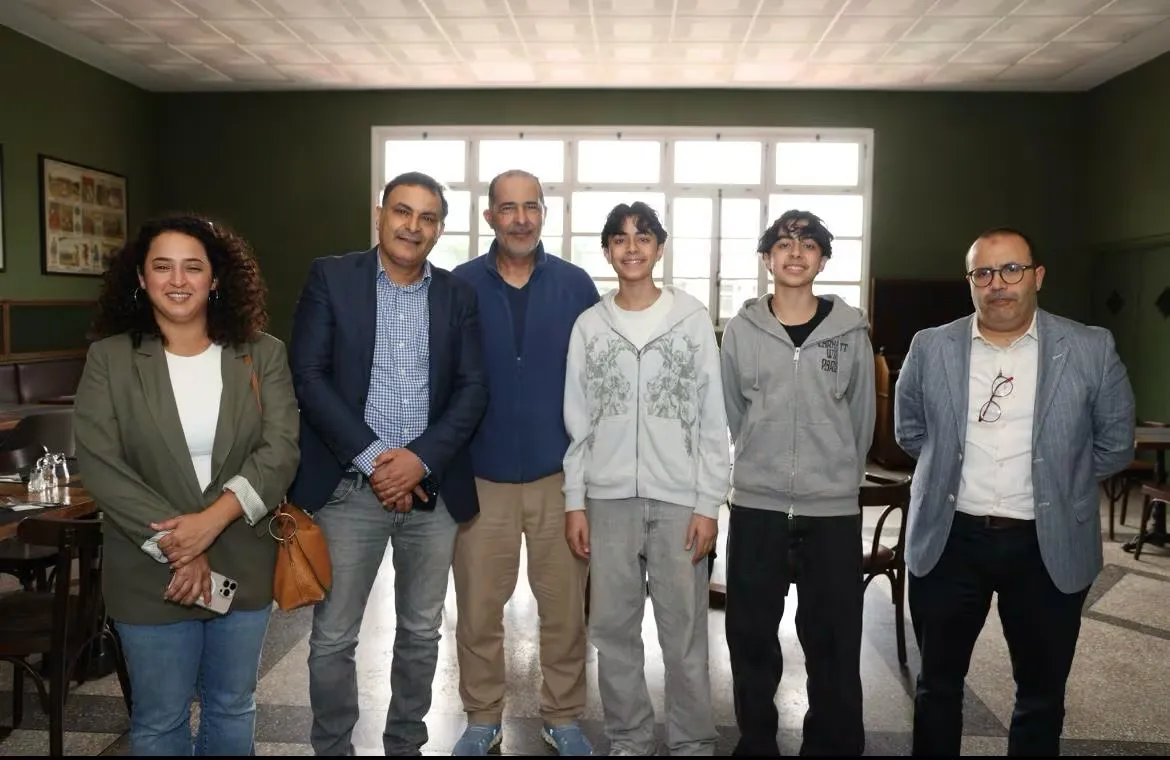
In a remarkable display of social responsibility and innovation, 16-year-old twin brothers Adam and Isaac M’Fadel from Casablanca have embarked on a transformative mission to uplift orphans through technology. Their initiative, dubbed "Bridge to Africa Tech," aims to provide essential training in computing and programming, empowering these children with the skills needed for tomorrow's job market. Recently, they formalized a partnership with the Bab Rayan orphanage, marking a significant milestone in their ambitious journey to enhance the digital literacy of children lacking familial support.
Driven by a passion for technology, Adam and Isaac have established this citizen-led initiative to equip orphans with vital skills in areas ranging from basic computer usage to advanced programming and artificial intelligence. Their collaboration with the Bab Rayan orphanage will not only involve providing training equipment but also long-term support to ensure the project's sustainability. The brothers expressed their desire for their interest in technology to serve a purpose greater than themselves, asserting that every child deserves access to educational opportunities regardless of their circumstances.
Creating Opportunities and Sustainable Solutions
To bring their vision to fruition, the M’Fadel brothers are personally overseeing all aspects of the project, from sourcing funding to implementing the necessary equipment. They have successfully raised 100,000 dirhams through private donors and national companies, showcasing their dedication and entrepreneurial spirit. Rather than purchasing new computers, they have chosen an eco-friendly approach by refurbishing second-hand machines. With the assistance of volunteers, Adam and Isaac meticulously clean, reconfigure, and restore these devices, successfully installing an initial batch of 20 computers at the orphanage, with plans to expand to 50 operational workstations in the coming months.
The partnership goes beyond mere equipment donation; it encompasses a structured educational pathway divided into three phases. Initially, the children will learn fundamental office skills essential for their academic progress. Subsequently, they will discover practical applications of artificial intelligence as a learning tool. Finally, they will be introduced to programming, fostering logical thinking and inspiring potential careers in technology. Experts from Techpal Services will provide these training sessions on a volunteer basis, ensuring high-quality education.
To ensure the initiative's longevity, a technical support and maintenance service has been established with assistance from volunteer partners. This integrated model combines technological provision, educational excellence, and continuous technical support. Encouraged by their initial success, Adam and Isaac aim to replicate this model in other centers across Morocco and throughout Africa. For 2026, their ambitious goal is to finance and install 200 computer stations aimed at benefiting youth and women. They are currently appealing for support from business leaders, IT directors, and philanthropists, emphasizing the untapped potential in Africa and their commitment to ensuring that no talent goes unexploited due to a lack of access to technology or adequate training.
As reported by fr.le360.ma.