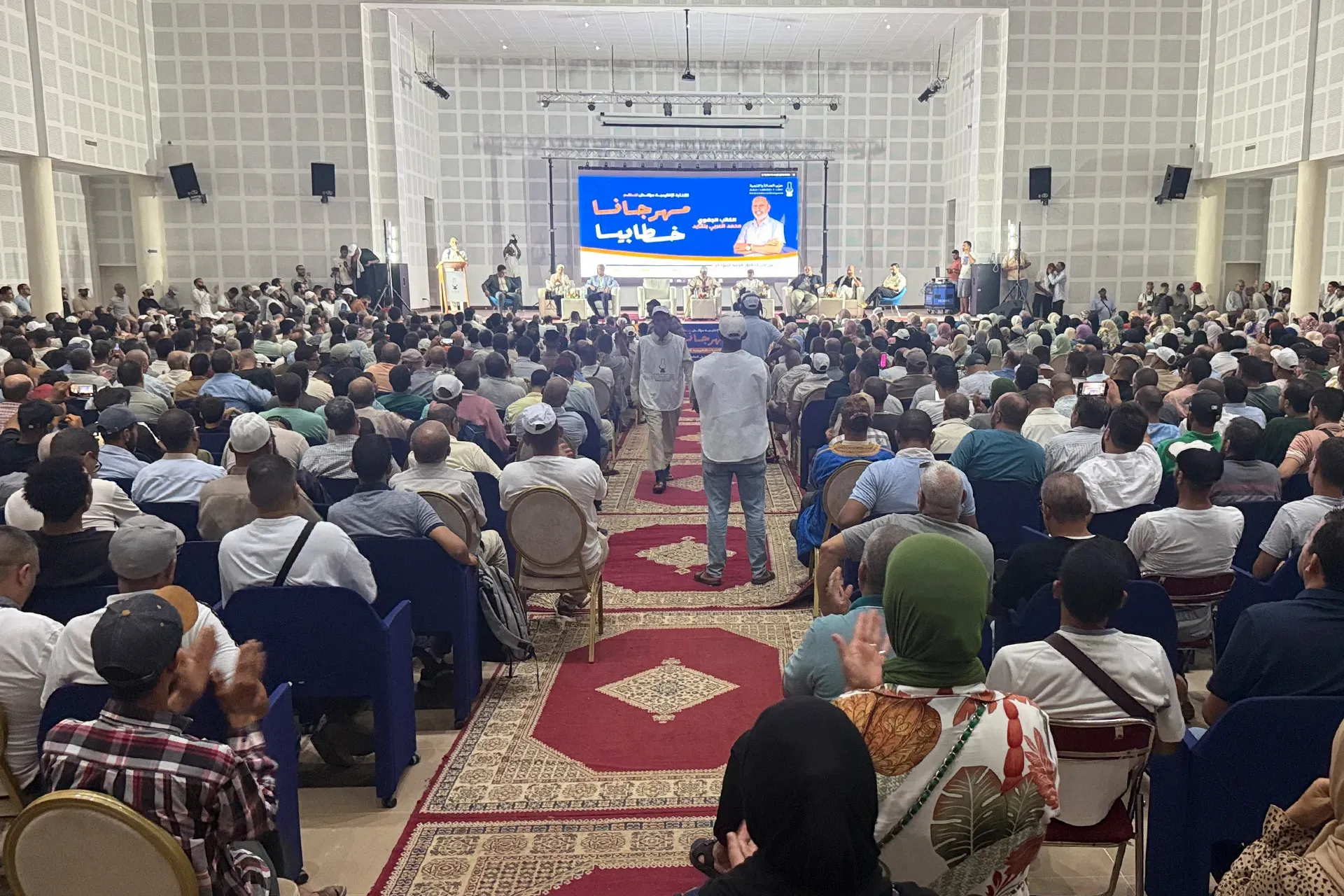

The Moroccan electorate is set to cast their votes on September 23, 2026, carrying aspirations that are far simpler than the intricate language of electoral party programs. Among their primary concerns are improvements in income, job opportunities that ensure dignity, and accessible healthcare facilities that bring medical treatment closer to the citizens. However, the chasm between the promises made in electoral campaigns and their translation into public policy raises fundamental questions about what lies beyond the numbers and slogans. It invites scrutiny regarding the costs, sources of funding, timelines, and the legal and institutional mechanisms necessary for implementation.
Job Creation and Economic Growth
Job creation and purchasing power dominate the electoral programs, particularly against a backdrop of a national unemployment rate that reached 10.8% in the first quarter of 2026, according to the High Commission for Planning. The Progressive Socialist Party pledges to create one million jobs over five years, aiming to reduce unemployment to below 10% and increase female labor force participation from 19% to 25%. Meanwhile, the Authenticity and Modernity Party promises a net addition of one million jobs between 2027 and 2031, with a goal of reducing unemployment to 7% by 2031. The estimated additional cost of their commitments stands at 350 billion dirhams (approximately $36.9 billion). This party plans to fund its initiatives through the effects of additional growth, contributions from local communities, budget reallocations, and enhanced budget efficiency. On the other hand, the Justice and Development Party focuses on youth employment, facilitating access for small businesses to public contracts, and supporting the social and solidarity economy without specifying a total number of targeted job openings.Rachid Labkher, a public law professor, emphasizes that the feasibility of any electoral promise hinges on three essential elements: realism and applicability, a clear timeline, and identifiable financial sources. Economic expert Rachid Sari elaborates that the discussion surrounding employment cannot be divorced from growth hypotheses and sectors capable of creating job opportunities. Achieving a million jobs is not solely tied to declaring a high growth rate; it necessitates identifying the sectors and investments capable of absorbing such a volume of employment.
Furthermore, improving purchasing power and raising household incomes do not automatically imply a return of prices to previous levels. Sari points out the difficulty of envisioning a decrease in the prices of certain goods to prior levels amidst the current economic transformations.
Support vs. Addressing Vulnerability
Social programs agree on the priority of social protection and combating poverty and vulnerability, yet they differ in the nature of the proposed measures and targeting mechanisms for beneficiary groups. The program of the Socialist Union of Popular Forces highlights commitments to reduce tax pressure on workers by 10%, increase their income by 15%, lower the unemployment rate to below 8%, and achieve 100% coverage of social protection while integrating 20% of beneficiaries of support into the labor market. The party also pledges to support 100,000 businesses and allocate 30% of public contracts to relevant companies. Conversely, the Popular Movement Party proposes revising the targeting system for vulnerable groups by abolishing the social numerical indicator for specific categories, including widows, divorcees, individuals with disabilities, and seniors over 60 years with no income. Their program also includes a monthly stipend of 1,000 dirhams for a year for higher education graduates seeking employment.Political science researcher Mariam Belhssin asserts that the seriousness of social programs is measured by the realism of promises, their financial viability, and their responsiveness to the actual needs of citizens, alongside clear indicators for impact assessment and accountability. She adds that the analysis of these programs should extend beyond the volume of announced measures to the nature of the social model proposed, questioning whether it involves managing vulnerability through support mechanisms or addressing the structural causes of poverty, unemployment, and social disparities.
Moreover, education is a prominent focus in electoral programs, though priorities vary among parties. Some emphasize the quality of public education, while others prioritize human resources and teacher numbers, digital transformation through the integration of artificial intelligence, or link reforms to vocational training and research. Economic expert Amin Sami notes that while Morocco has made significant progress in access to education, the challenge now lies in transitioning from mere access to ensuring quality and skill development.
As reported by aljazeera.net.