Barriers to Document Acquisition for Migrants
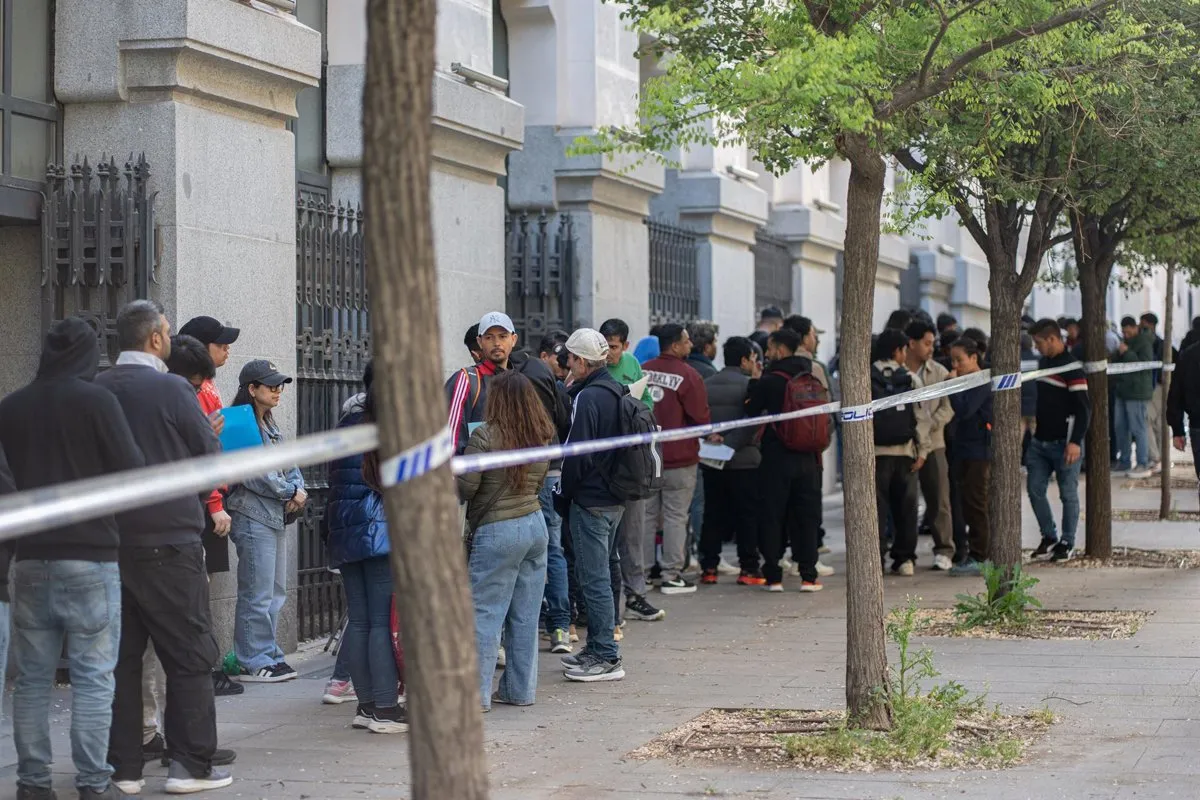
Colombia and Morocco are among the countries experiencing significant difficulties in obtaining the necessary documentation for extraordinary migrant regularization, as highlighted by the platform Extranjería Clara. The process of acquiring essential documents such as criminal background checks, official certificates, or administrative accreditations is severely impacting timelines from the very beginning, according to the organization.
Guillermo J. Valderrábano, the founder of Extranjería Clara, explains that individuals seeking to partake in the regularization process are heavily reliant on consulates, embassies, and organizations in their home countries, which often lack the capacity to handle the high volume of requests. This dependency creates substantial delays, particularly for people from countries where there is a high demand for administrative procedures and where the systems are either under strain or less digitized.
Impact of Administrative Inefficiencies on Migrants
Countries like Colombia, Venezuela, Peru, and the Dominican Republic have been identified as having significant delays in obtaining criminal records or official certificates due to platform saturation, technical difficulties, or challenges in securing appointments. In fact, Extranjería Clara has noted recent instances where temporary system outages have halted the issuance of essential documents for several days. Additionally, applicants from Morocco, Senegal, or Nigeria face greater complications in their application processes, which often rely more heavily on in-person interactions, family mediation, or consular services, thus introducing more variables and extended waiting times.
In contrast, the organization points out that nations with more advanced administrative digitalization, such as certain European Union states or specific Latin American economies with well-established online systems, tend to experience quicker processing times. Valderrábano emphasizes a stark disparity between different countries, noting that while some can obtain a certificate within days, others may face weeks or even months of delays. This creates a real inequality in access to regularization.
For Extranjería Clara, these delays extend beyond mere administrative inefficiencies; they result in tangible consequences such as unsigned contracts, prolonged selection processes, or companies ultimately dismissing candidates because they cannot afford to wait for lengthy administrative procedures. Taking into account a potential scenario of 500,000 regularizations linked to salaries around the minimum wage (approximately 17,000 euros annually), the associated economic activity surpasses 8.5 billion euros, according to the platform's estimates. This figure is directly contingent upon the timely resolution of these processes.
Moreover, there are individuals who meet the criteria for regularization but are unable to initiate the process or do so incompletely due to a lack of documentation. This leads to a specific situation wherein eligible individuals cannot work because they do not yet have the necessary permits, while companies in need of hiring cannot wait for the bureaucratic system to complete its processes. This creates a vicious cycle: unable to work due to the absence of a permit, yet unable to obtain the permit in time to secure employment.
As reported by notimerica.com.