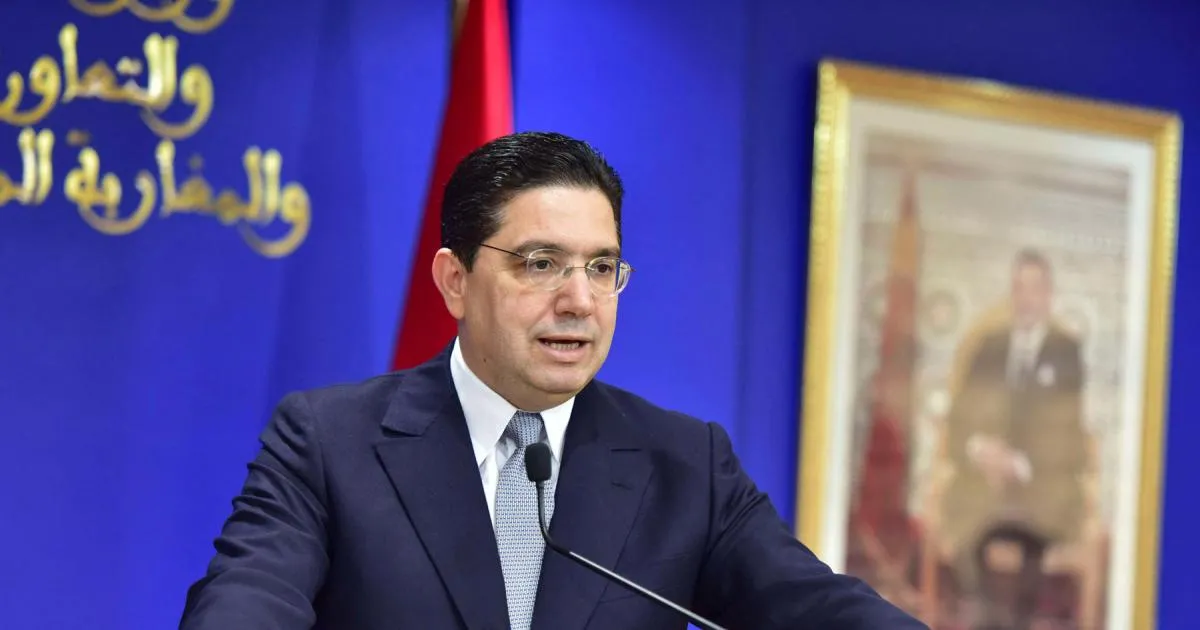
Morocco's Solidarity with Mali Amid Rising Security Threats
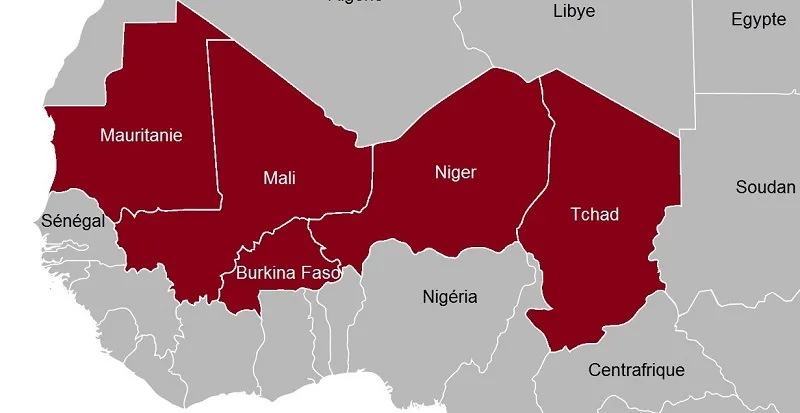
Morocco's unequivocal condemnation of the recent militant assaults in Mali underscores its enduring diplomatic values and highlights the intricate web of security threats, shifting alliances, and information warfare that is currently reshaping the Sahel region. The Moroccan government has denounced these attacks, which have indiscriminately targeted military and civilian locations, as acts of terrorism. They have expressed unwavering support for the Malian government, its institutions, and its people, reaffirming their commitment to Mali’s sovereignty and territorial integrity. This response aligns with what analysts describe as Morocco’s consistent diplomatic stance, which emphasizes the importance of state stability while categorically rejecting any form of separatism and terrorism, all while carefully avoiding any direct escalation in a region already fraught with tension.
However, the recent attacks, attributed to armed groups operating within the Sahel, including both jihadist and separatist factions, have once again laid bare the precariousness of Mali’s security situation. These incidents have sparked a parallel struggle over narratives, which has emerged as a crucial aspect of the ongoing crisis. In the aftermath of the attacks, digital platforms became inundated with conflicting reports, ranging from assertions of governmental collapse to speculative casualty figures and rumors about the movements of officials.
The Information War and Regional Dynamics
Analysts point to these developments as symptomatic of the Sahel's evolving information warfare, where facts are often intertwined with political narratives designed to shape perceptions as much as they reflect the realities on the ground. Observers highlight coordinated efforts to depict Mali as unstable, questioning its political and diplomatic decisions. These narratives often rely on rumors, exaggeration, and selective framing to undermine public confidence in the state and diminish Bamako's standing on the international stage.
Furthermore, the dual-track communication strategy—whereby official statements are complemented by sharper messaging through unofficial channels—has become a defining characteristic of regional competition. This tactic allows countries to exert influence without incurring direct political costs. The information struggle is occurring against a backdrop of significant geopolitical realignment. Relations between Morocco and Mali have strengthened in recent years, gaining political significance beyond mere bilateral relations. Mali's shifting positions on key issues, particularly those concerning the Moroccan Sahara, have coincided with a notable reduction in separatist rhetoric, thereby bolstering Morocco’s overarching African strategy.
This strategy encompasses not only security cooperation but also economic initiatives that aim to integrate the economies of the Sahel into Atlantic trade routes. Such efforts are designed to foster development and, ultimately, stability in the region. Against this complex backdrop, analysts suggest that criticism directed at Mali’s partners, including Morocco and the United Arab Emirates, is often tied to attempts to isolate Bamako. The intensity of this scrutiny reflects the growing significance of these alliances in reshaping regional dynamics.
At the heart of the crisis is a troubling convergence between separatist movements and extremist organizations, a trend that Morocco has consistently warned against. The recent attacks, which involved groups linked to al-Qaeda alongside separatist factions, highlight the increasingly blurred lines between these entities. For policymakers, this overlap complicates responses, as political and military challenges can no longer be addressed in isolation. Attempts to draw parallels between the Azawad issue in northern Mali and the Moroccan Sahara dispute have resurfaced, though analysts caution that such comparisons are misleading; the Sahara issue is part of a United Nations-led political process, whereas northern Mali is characterized by internal conflict and armed violence among fragmented actors.
In this volatile environment, Morocco aims to position itself as a steady ally, emphasizing principles over polemics. Its official stance reinforces the importance of sovereignty, territorial integrity, and coordinated action against terrorism, while intentionally steering clear of direct confrontations with other regional players. This approach is intended to bolster Morocco’s credibility and foster long-term partnerships, all without becoming embroiled in escalating rivalries. Concurrently, Rabat advocates for a broader vision for the Sahel—one that connects security with economic development and institutional resilience—arguing that lasting stability cannot be achieved solely through military means.
For Mali, the immediate priority remains to contain militant threats and restore order in affected regions. However, the larger challenge involves navigating a landscape where security crises, political pressures, and narrative battles are increasingly intertwined. The situation in the Sahel serves as a stark example of evolving conflict dynamics, where on-the-ground violence is accompanied by fierce contestation in the information sphere, and local crises are influenced by broader regional and international rivalries. As one analyst aptly noted, Mali today is not merely a national security concern; it represents a 'test case' for the mechanisms of destabilization in the Sahel, manifested through both weaponry and rhetoric. In this context, Morocco's response not only signifies solidarity with Bamako but also reflects a strategic commitment to state-centric stability in a region where alliances and narratives are rapidly being redrawn.
As reported by middle-east-online.com.