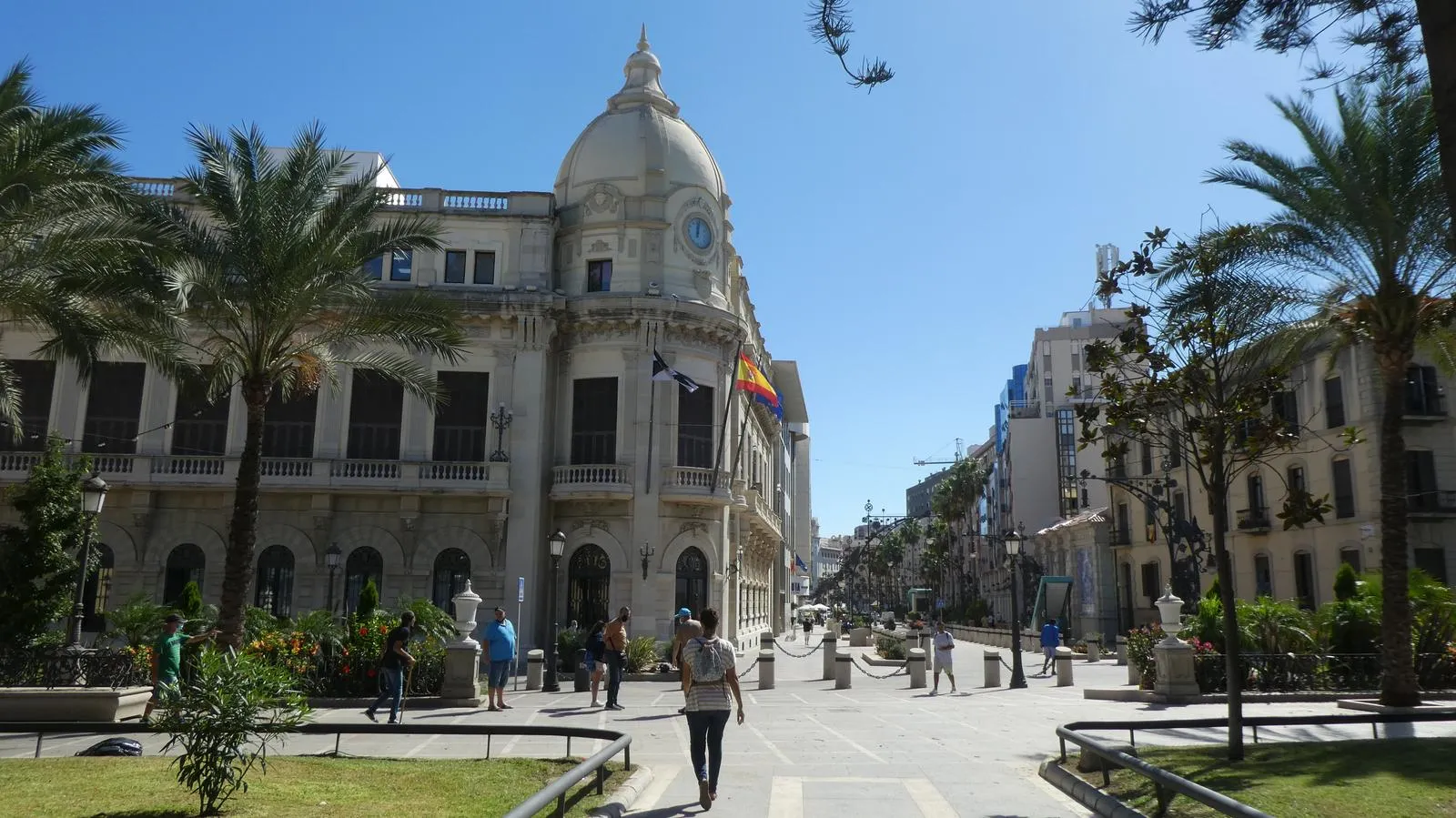
In the context of growing tensions between Madrid and Washington regarding the use of Spanish military bases in the conflict against Iran, a portion of Spain's public discourse has rekindled the idea of Morocco potentially reclaiming Sebta and Melilia with support from the U.S. Despite the political rhetoric and media amplification surrounding this topic, it currently appears more like a speculative notion than a reflection of actual diplomatic progress.
The relationship between Spain and the United States is notably strained, primarily due to a series of disagreements. Central to this discord is Spain's firm stance against allowing U.S. military operations from its bases in Rota and Morón, both of which are critical to American military strategy. On March 2, 2026, shortly after the commencement of U.S. strikes against Iran, Spanish Foreign Minister José Manuel Albares made a public declaration on RTVE, asserting that Spain would not permit the bases to be used in a manner inconsistent with the United Nations Charter. This position was echoed by Defence Minister Margarita Robles, further solidifying the country's stance against U.S. military actions.
In a swift and severe response, U.S. President Donald Trump announced his administration's intent to sever all trade ties with Spain, coupled with a significant military repositioning of U.S. forces from Spanish bases to other locations in Europe. Furthermore, reports emerged that the U.S. might contemplate suspending Spain from NATO, following internal communications from the Pentagon that criticized Spain's refusal to grant military access. This development raises questions about Spain's future role in the alliance, particularly given that Spain has been a NATO member since 1982.
As the diplomatic rift deepens, attention has turned toward Morocco, particularly in the context of its historical claims to Sebta and Melilia. On March 16, 2026, Michael Rubin, a former Pentagon official, ignited a debate by suggesting that Moroccans should pursue reclaiming these territories through a revival of the “New Green March.” His remarks, although partly tongue-in-cheek, highlighted a growing narrative in Spain that postulates Morocco might exploit the current U.S.-Spain tensions to advance its territorial claims.
In the Spanish Senate, Vox MP Jorge Campos Asensi warned of increasing American and Israeli support for Morocco, suggesting that the fate of Sebta and Melilia was precariously at risk. This sentiment was echoed in a non-legislative proposal introduced by political factions in Spain aimed at defending Spanish sovereignty over these territories. Concurrently, various media outlets, particularly those with a critical stance towards Morocco, have fueled anxieties regarding a potential U.S. alignment with Moroccan interests concerning Sebta and Melilia.
Officially, however, the Spanish government has dismissed claims that Morocco would leverage U.S. support to reclaim these enclaves. Foreign Minister Albares characterized such notions as “completely absurd,” emphasizing Spain's firm position on its territorial integrity. Interestingly, Morocco has maintained a conspicuous silence on this issue, neither confirming nor denying any ambitions concerning Sebta and Melilia.
Relations between Morocco and the U.S. have notably improved since the signing of a military cooperation roadmap, indicating Morocco's increasing role as a key regional ally. However, the idea that Morocco would invite U.S. involvement in the Sebta and Melilia matter remains largely unfounded. The current diplomatic climate between Spain and Morocco is reportedly at a historic high, particularly following Spain's recognition of Morocco's autonomy plan concerning Western Sahara, which has been interpreted as tacit support for Morocco's territorial claims.
Despite these diplomatic overtures, the historical claims of Morocco over Sebta and Melilia persist. Past statements by Moroccan officials have affirmed these aspirations, and unique measures—such as restrictions on Moroccan diplomatic passport holders entering these territories—further illustrate the complexities surrounding sovereignty. This dynamic is further complicated by longstanding agreements between Spain and Morocco, wherein Morocco has refrained from pressing its claims in exchange for Spain's focus on Gibraltar.
The evolving geopolitical landscape and Morocco's recent development projects highlight the shifting nature of cross-border relations. As Spain's historical role as an intermediary between the two nations faces challenges, it raises questions about the future of Sebta and Melilia amidst the backdrop of international diplomacy. The narrative surrounding these territories encapsulates the broader themes of sovereignty, geopolitical alliances, and historical claims that continue to shape the relations between Morocco, Spain, and the United States.
As reported by medias24.com.