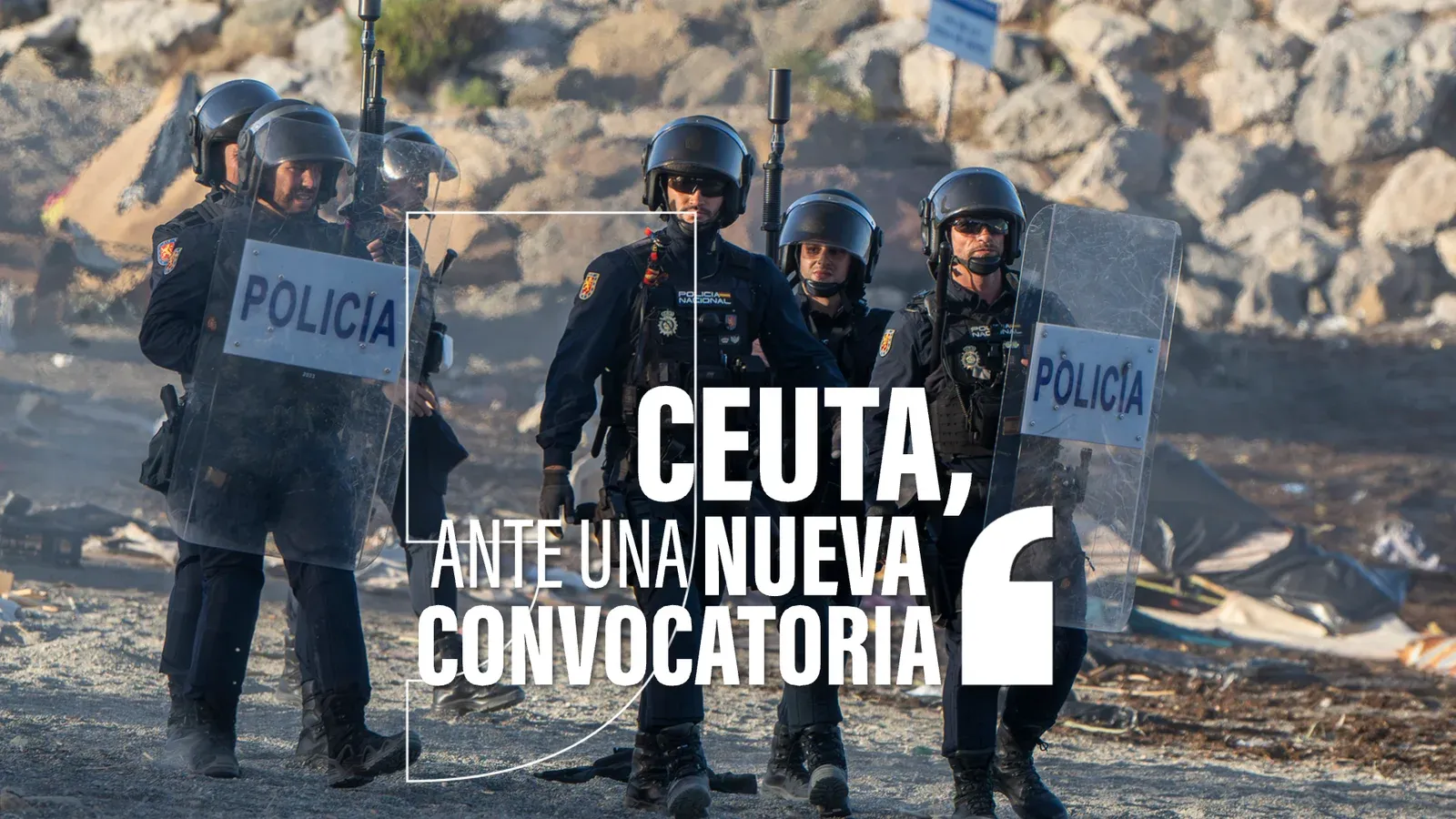

Heightened Alert in Ceuta
The situation in Ceuta has reached a critical point after more than 50 days of ongoing crisis, which shows no signs of abating. The local population is grappling with exhaustion and frustration, compounded by fears stemming from rumors of an imminent call for another mass migration attempt. This new appeal is reportedly scheduled for Wednesday, September 23. Although similar calls have been made since the significant influx on July 30, the current circumstances are markedly different and more concerning.
The last major call for mass migration occurred on August 14, coinciding with elections in the neighboring country. This raised suspicions that police controls along the border might be relaxed to facilitate the electoral process, reminiscent of the situation on July 30 during the Throne Day celebrations. The mobilization for migration has been organized through Facebook groups boasting thousands of followers—some exceeding 90,000—encouraging a large-scale influx into the autonomous city.
Government officials acknowledge the existing concerns but strive to convey a sense of calm, asserting that the border has been fortified since July 29. They have indicated a readiness to deploy all necessary resources to manage the situation. Interior Minister Fernando Grande-Marlaska emphasized this on Monday, stating, "We live in times of concern due to alerts... We have an intelligence framework in place, utilizing both open and closed source information. Cooperation with Moroccan intelligence and the European Union's external action service is ongoing to assess each alert effectively."
Increased Security Measures
The Interior Minister also reminded the public of a previous alert issued for September 20 and confirmed that, in anticipation of potential threats, security measures have been significantly strengthened at both the Ceuta and Melilla borders. To further enhance security, reinforcements from the Civil Guard, comprising 63 new agents, have been dispatched to Melilla as a precautionary measure against a repeat of the events of July 30. Ángel Víctor Torres, the head of unified command, stated, "We prefer to act preventively to avoid any incidents like those on July 30." He highlighted the rapid deployment of resources, noting that the current preparations are unprecedented in their speed.
Furthermore, the government has reportedly reinforced surveillance at El Tarajal following the damage to a floating barrier intended to prevent large-scale maritime arrivals. This barrier was compromised just 48 hours after installation in early August and has since undergone repairs. However, it sustained additional damage during a recent storm, impacting the segment closest to the pier.
In response to the new migration calls, the Spanish Embassy in Morocco has initiated a campaign aimed at deterring those considering participation in these efforts. The Ministry of Foreign Affairs has urged its Moroccan counterpart to address misinformation and mobilize forces to discourage potential migrants. Foreign Minister José Manuel Albares has indicated that Morocco is implementing measures similar to those taken on August 15, which successfully thwarted the last major migration attempt. He remarked, "Based on the information I have, it does not seem to be having a significant impact, but it is better to be cautious. We are engaging with Moroccan media to amplify these messages and coordinating with Moroccan authorities to ensure the necessary deterrents are in place to prevent an influx." The government has not provided specific details about the reinforcements from Moroccan authorities, but it remains hopeful that, with Rabat's cooperation, this latest call for migration will ultimately fizzle out.
As reported by lasexta.com.