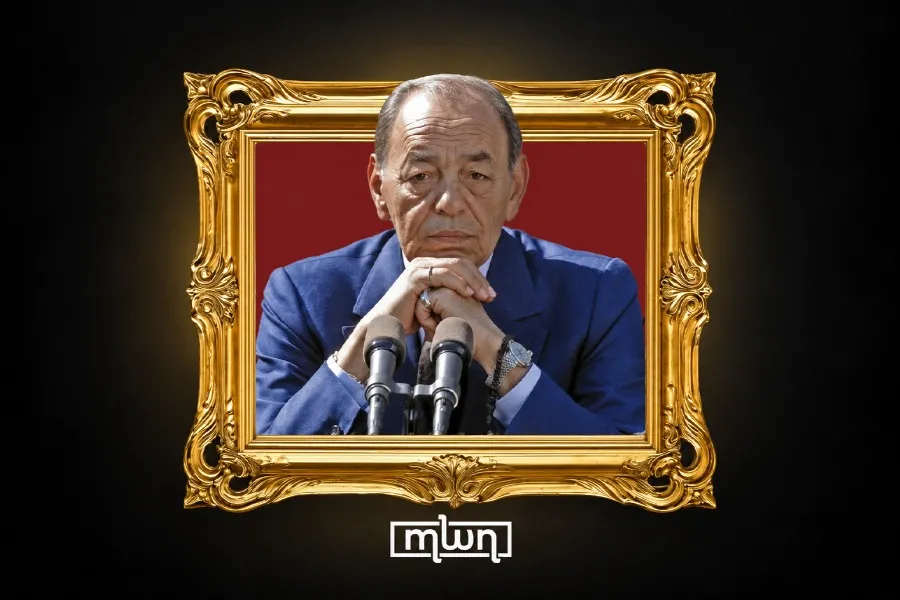

Agadir – Today, Morocco commemorates the 28th anniversary of the death of King Hassan II, reflecting on the late monarch's profound legacy and his pivotal role in shaping the modern political, economic, and institutional landscape of the nation. This anniversary is observed according to the Islamic (Hijri) calendar, with this year’s observance falling on September 21, which corresponds to 9 Rabii II 1448 in the Islamic calendar. This occasion serves not only as a moment of remembrance but also as an opportunity to acknowledge the significant contributions made by King Hassan II during his reign, particularly in spearheading major national projects that have had a lasting impact on the country.
Ascending to the throne in 1961, King Hassan II succeeded his father, King Mohammed V, and ruled until his death in 1999, when King Mohammed VI took over the monarchy. His reign is marked by several ambitious initiatives, most notably the development of Morocco's water infrastructure. In 1966, he introduced what is known as the "dam policy," a vital element of his economic and agricultural strategy aimed at ensuring water security. This initiative became especially crucial during periods characterized by drought and water scarcity, demonstrating the king's foresight in addressing the country’s pressing resource challenges.
King Hassan II's reign also witnessed significant milestones in Morocco's territorial history. Notable events include the recovery of Sidi Ifni in 1969 and Oued Eddahab in 1979, both of which are documented in official Moroccan records as key dates in the nation's journey toward territorial integration. One of the hallmark events of his reign was the Green March on November 6, 1975, where an estimated 350,000 Moroccans, including 35,000 women, embarked on a peaceful march to assert their claim over the Sahara. The king's historic speech in October 1975 called for unity and resolve among the Moroccan people, urging them to act as one in their commitment to reclaim the territory. Accompanied by over 20,000 Moroccan troops, participants of all ages marched southward, waving flags and holding Qur’ans, marking an unprecedented display of national solidarity.
Beyond national matters, King Hassan II also engaged in regional and international diplomacy that shaped Morocco's role on the global stage. His efforts were instrumental in the founding of the Organization of African Unity (OAU), which later transitioned into the African Union (AU). Under his leadership, Morocco actively participated in international peace and security discussions and played a crucial role in the 1979 peace treaty between Israel and Egypt. The late king was known for his charismatic leadership, and his funeral attracted delegations from around the world, underscoring his significance on the international front.
In observance of this important anniversary, King Mohammed VI will preside over a religious ceremony at the Mohammed V Mausoleum in Rabat today, honoring the memory of his father and reflecting on the enduring legacy of King Hassan II. Such commemorations serve to remind Moroccans of the monumental contributions of their late monarch and the path he paved for the nation’s future.
As reported by moroccoworldnews.com.