
The Strengthening Ties Between the United States and Morocco
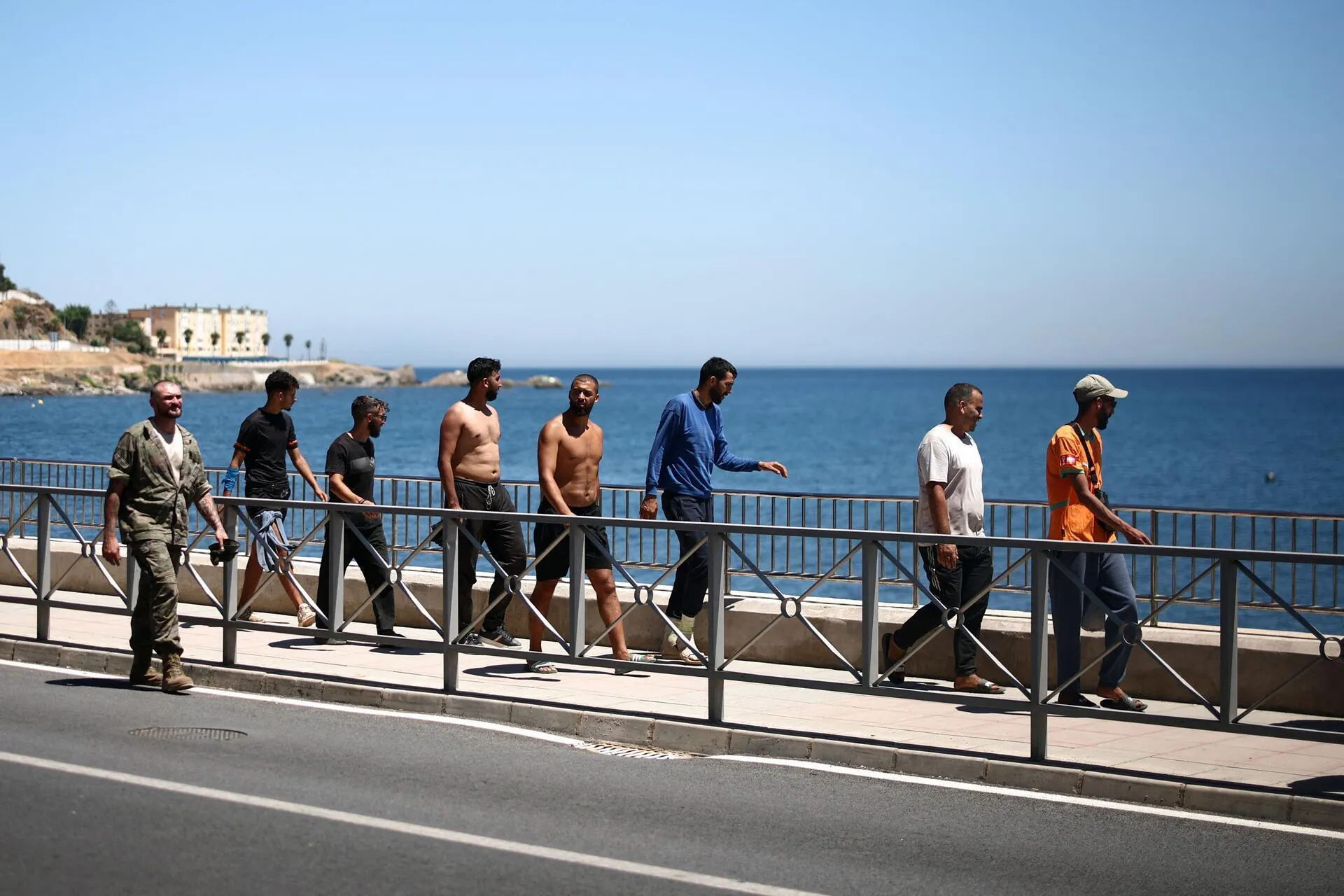
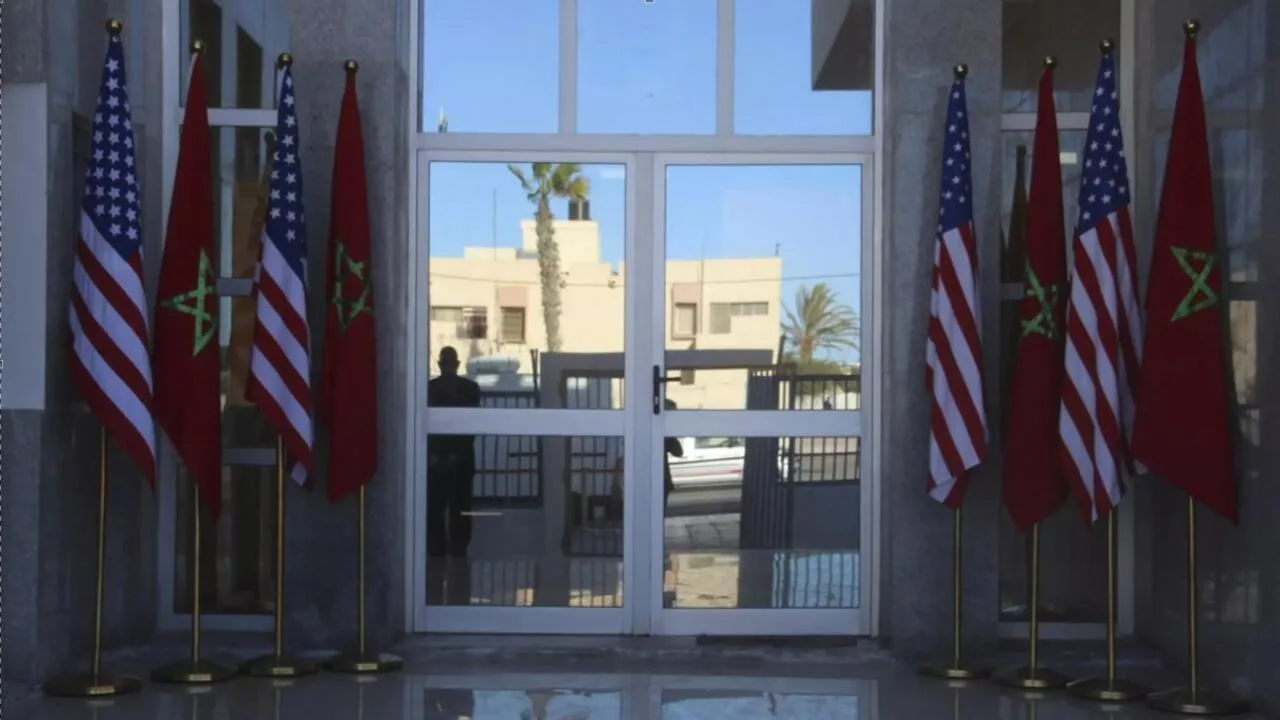
Since late July, the United States has been increasingly signaling a strengthening of both economic and diplomatic ties with Morocco. This relationship has roots in 2020 when the U.S. endorsed Morocco's autonomy plan for Western Sahara in return for Morocco's normalization of relations with Israel. Currently, Washington appears poised to support Morocco's claims over the Spanish enclaves of Ceuta and Melilla. The pressure on Spain has intensified significantly, particularly following an influx of tens of thousands of Moroccans and Sub-Saharan migrants into Ceuta last week. Riccardo Fabiani, the North Africa Director at the International Crisis Group, sheds light on the geopolitical context and the U.S. influence in the region through an interview with Liza Fabbian.
Recently, King Mohammed VI of Morocco announced the renaming of the expressway connecting Tiznit and Dakhla to the Donald J. Trump Highway. This homage reflects Morocco's strategy to woo the Trump administration, particularly in ensuring continued U.S. support for Morocco's position during the delicate negotiations surrounding the Western Sahara conflict. For Morocco, it serves as a signal to the United States, showcasing small concessions intended to maintain U.S. backing as discussions progress.
American Economic Interests in Western Sahara
In late July, the U.S. ambassador to Morocco visited Laâyoune in Western Sahara to sign an agreement for a grant aimed at establishing a hydrogen and ammonia production unit. This development highlights the U.S.'s economic ambitions in the region, which align with the Trump administration's focus on economic agreements beneficial to U.S. interests and American businesses. The establishment of this factory is indicative of the broader American strategy in both the region and globally.
In a notable legislative move, two American lawmakers introduced a bill to examine the designation of the Polisario Front as a foreign terrorist organization. This initiative is part of Morocco's comprehensive strategy to advance its interests within the Trump administration and other American democratic institutions, as Morocco recognizes this moment as pivotal. The current Republican majority presents an opportunity for Morocco to potentially exclude the Polisario Front from future negotiations aimed at resolving the ongoing conflict.
Moreover, these two lawmakers are urging Congress to investigate the alleged ties between the Polisario and Iran. In this context, Morocco's efforts, supported by Moroccan lobbying in the U.S., aim to leverage the anti-Iranian sentiment fueled by the ongoing U.S.-Iran conflict to strengthen Morocco's narrative regarding Western Sahara. However, it is essential to note that there is no substantial evidence linking the Polisario to Iran or Hezbollah, despite attempts by Morocco to draw parallels between these distinct conflicts, including their own engagements with Israel.
On July 20, Spanish Prime Minister Pedro Sanchez's visit to Algeria, which supports the Polisario Front's independence aspirations, was communicated in advance to Morocco. This visit was not perceived as a surprise by Moroccan officials, who see that Spain's stance in favor of Morocco's autonomy plan remains unchanged despite Sanchez's discussions in Algeria. Thus, the normalization of diplomatic relations between Spain and Algeria does not pose a threat to Moroccan interests.
While some analysts speculate a connection between Sanchez's visit and the recent migration crisis in Ceuta, this theory lacks credibility. Ceuta is viewed by Morocco as occupied territory, and the situation is complex, with the U.S. and Israel acknowledging Spain's neutrality during the conflict with Iran. It is conceivable that Morocco attempted to send simultaneous signals regarding Ceuta to both Israel and the U.S. by facilitating a migration movement into Ceuta. Nonetheless, the current migration crisis appears to be largely spontaneous, albeit perhaps facilitated by Morocco as a form of messaging to Spain.
As reported by rfi.fr.