Apology and Clarification on Campus Visit
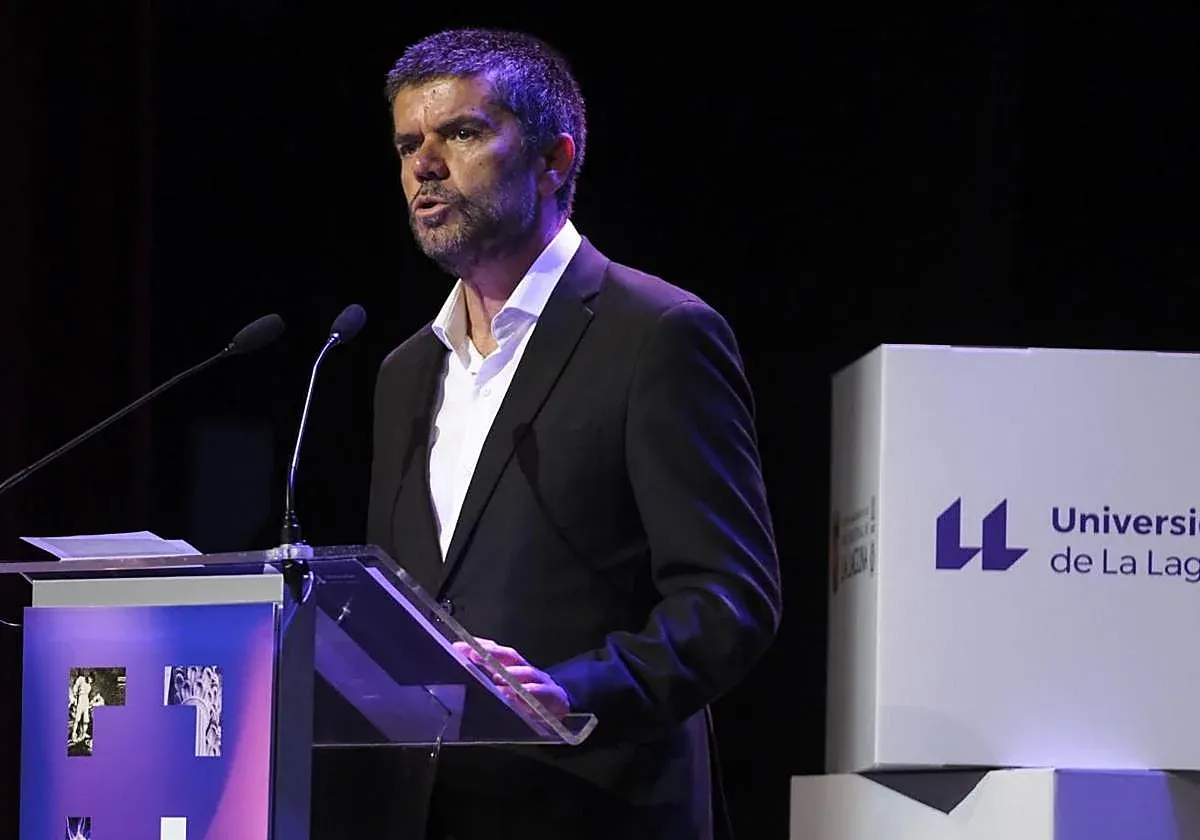
In a significant turn of events, Francisco García, the Rector of the University of La Laguna (ULL), publicly extended his apologies regarding a recent visit to the campuses of Ibn Zohr University located in El Aaiún and Dajla, situated in Western Sahara. This visit, which transpired three weeks ago, has sparked considerable discontent and concern among segments of the university community and various social organizations connected to the Western Sahara issue. During a session of the ULL’s Governing Council, García clarified that the trip was part of a delegation from the two public universities in the Canary Islands, formally invited by Ibn Zohr University, Morocco’s largest academic institution by student enrollment, with which ULL has established several collaborative agreements.
Rector García acknowledged the missteps in the planning, design, and communication surrounding the visit, which contributed to the unease expressed by various stakeholders. In light of this, he issued an apology not only to the Governing Council but also to the wider university community and the general public, committing to take steps to prevent such a situation from arising in the future.
Future Collaborations and Engagements
In a proactive response to the concerns raised, García revealed that the university administration has engaged in discussions with groups that expressed their dissatisfaction, including the African Studies Center and several Canary Island associations focused on cooperation and solidarity with Western Sahara. Furthermore, he disclosed plans to meet with representatives from the Polisario Front, signaling an openness to dialogue and understanding of the complexities surrounding the issue.
Additionally, García announced that ULL's collaborative projects with Ibn Zohr University will now be exclusively limited to activities associated with its Agadir campus. The university is also set to enhance its efforts over the coming months to disseminate and analyze information regarding the current situation in Western Sahara, incorporating input from both academic staff and external specialists to ensure a thorough and balanced perspective.
As reported by canarias7.es.