
Impact of the Recent Immigration Crisis in Morocco
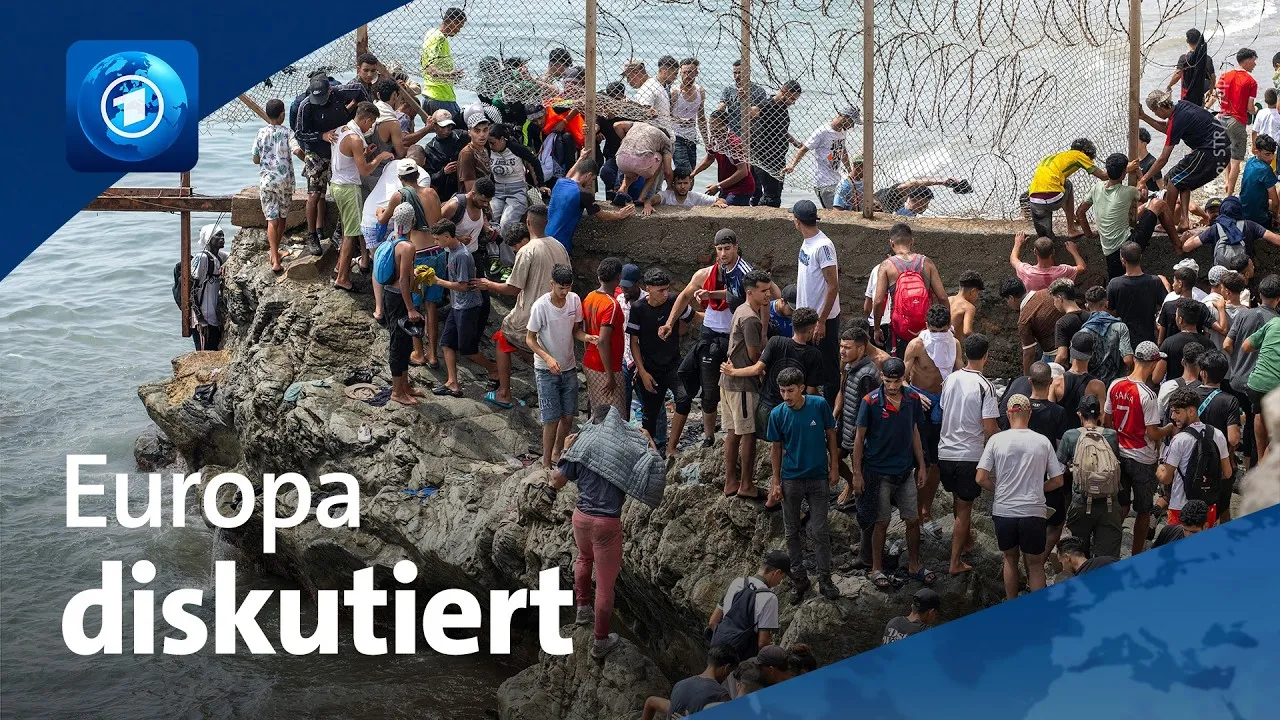
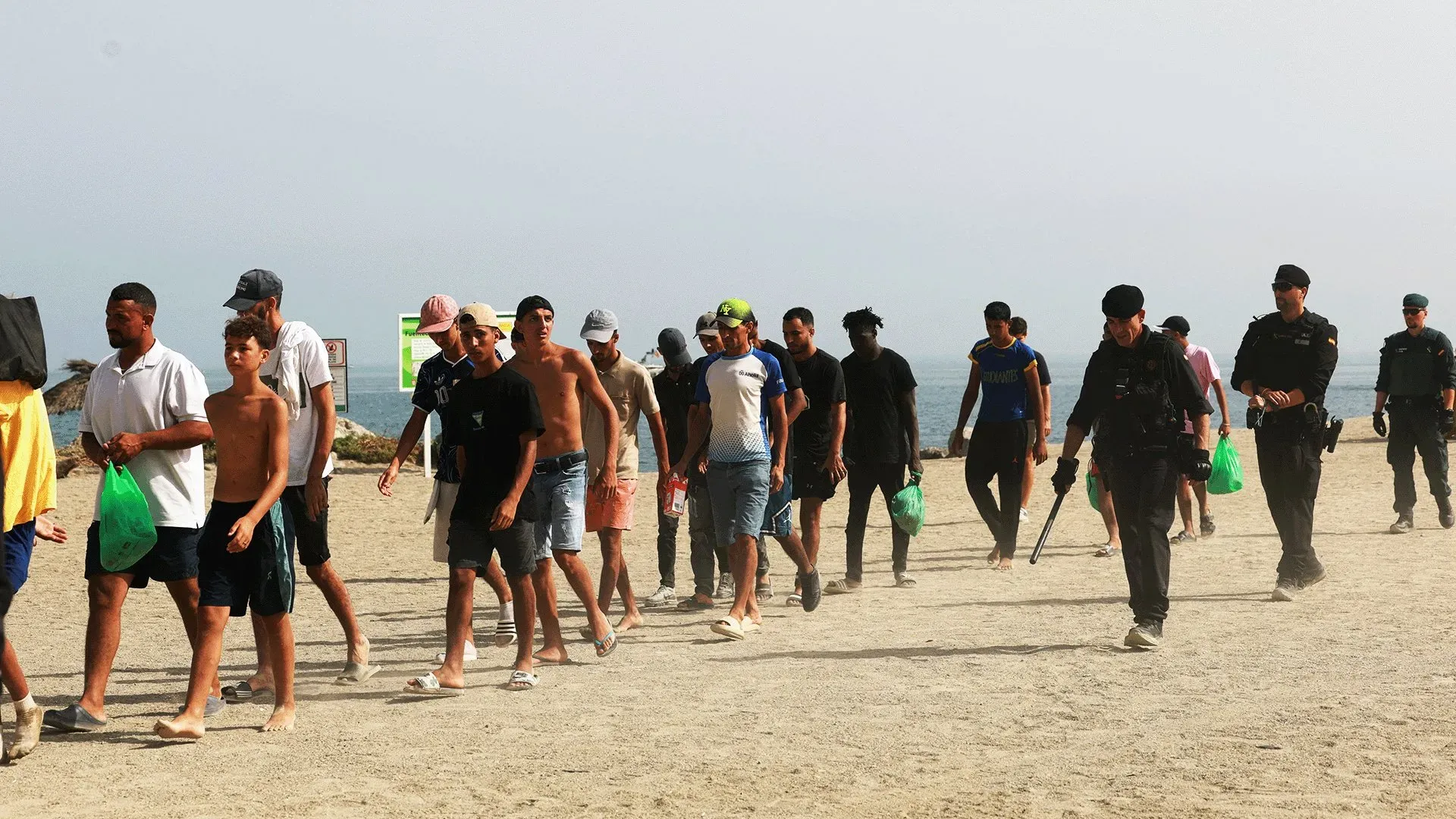
The immigration crisis in Morocco has escalated, revealing profound consequences as thousands of undocumented migrants return to the country. Following a significant uptick in the number of migrants attempting to reach Spain, the situation has prompted urgent responses and concerns from authorities on both sides of the Mediterranean. Spain, in particular, is implementing measures to manage the influx and mitigate the potential fallout that could extend beyond immigration issues. The dynamics of this crisis are complex, involving socio-political aspects and humanitarian considerations that require careful navigation to ensure stability in the region.
This situation is not just a local challenge but a broader regional concern, highlighting the vulnerabilities faced by migrants and the response mechanisms of host countries. As the crisis unfolds, it becomes increasingly crucial for policymakers to address the underlying causes of migration, which often include economic hardship, political instability, and social unrest. The return of migrants to Morocco raises questions about the support systems available to them and the strategies that can be employed to reintegrate them into society effectively.
In light of these developments, a collaborative approach involving multiple stakeholders, including governments, NGOs, and community organizations, is essential to tackle the multifaceted issues presented by the immigration crisis. Ensuring the safety and dignity of migrants while addressing the concerns of local populations are paramount in achieving a sustainable resolution to this ongoing crisis. The implications of this crisis will likely resonate for years to come, necessitating ongoing dialogue and proactive measures to foster a more inclusive and supportive environment for all affected parties.
As reported by aljazeera.net.