The Growing Significance of Morocco's Automotive Sector
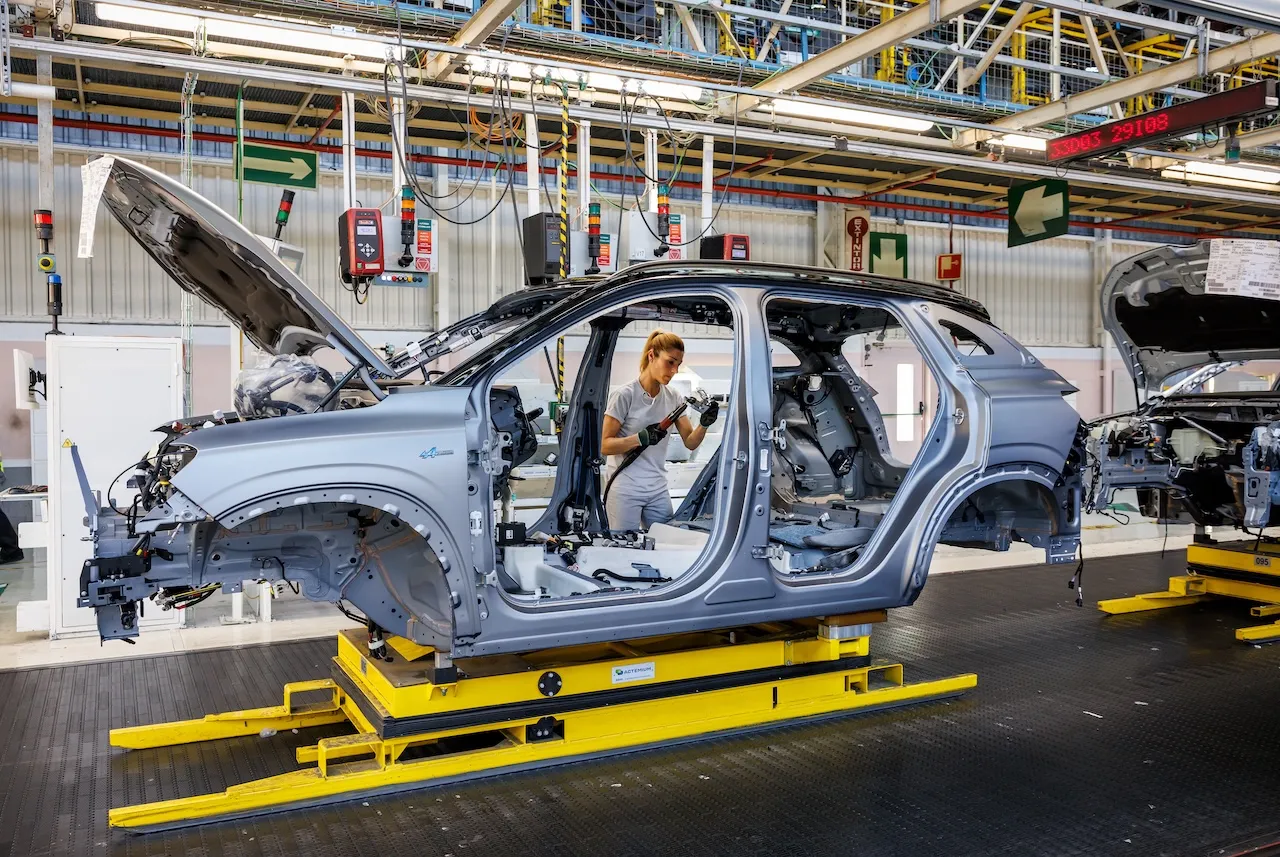
The European Union (EU) is increasingly acknowledging the emerging importance of Morocco's automotive industry, which poses a notable competitive challenge as the EU strives to revitalize its own manufacturing sector. The EU's concerns are particularly heightened by the involvement of Chinese suppliers within Morocco, which adds a layer of complexity to the region's economic landscape. Back in 1996, Morocco and the EU established a free trade agreement aimed at promoting trade and investment, which has laid the groundwork for Morocco's industrial growth. Additionally, Morocco's accession to the Pan-Euro-Mediterranean (PEM) Convention in 2012 has further integrated it into the European automotive supply chain, facilitating seamless trade relations.
Implications for the Future of Mobility
As the automotive landscape continues to evolve, stakeholders must pay close attention to the shifts occurring within Morocco's burgeoning auto sector. This development signals a potential transformation in the dynamics of global automotive manufacturing, with Morocco positioning itself as a strategic player in the industry. The EU's response to these changes will be crucial, especially in terms of policy adjustments and strategic partnerships that may be necessary to maintain its competitive edge. With forecasts from various automotive experts, including projections for production outputs from major manufacturers like Volvo, Honda, and Hyundai through 2030, the implications of Morocco’s rise in the automotive sector could significantly influence the future of mobility in Europe and beyond.
As reported by automotiveworld.com.